The development of personal care products such as soap, shampoo and their packaging is used as a context to explore the varied roles of scientists and engineers in promoting sustainability. It gives children the opportunity to develop key working scientifically skills including discussion, problem solving, and asking questions. Children are encouraged to develop their own ideas and questions, methods of recording, conclusions and recommendations throughout the activities. The activities also make strong links with the topic of materials and their properties.
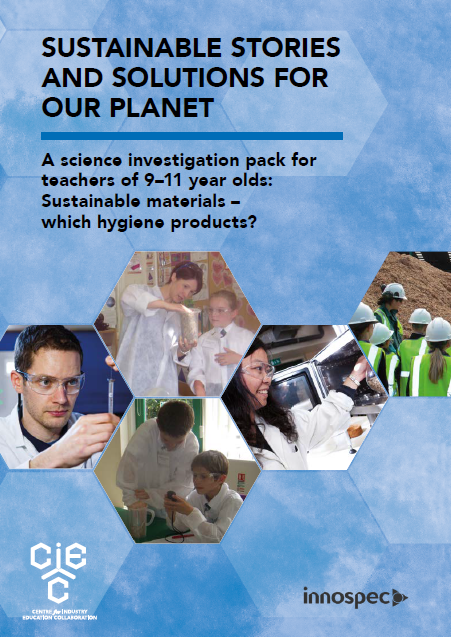
Sustainable stories and solutions for our planet: Which hygiene products?
Introduction
- Keywords: sustainability, sustainable, working scientifically, materials, properties
Children carry out a survey to ascertain their thoughts about sustainability as well as their understanding of the impact of their own behaviour in actively bringing about change. They are encouraged to involve their families in the survey.
As a class, they create a "big-book" style environmental dictionary which will help others in their school to learn about important environmental issues.
Which soap?
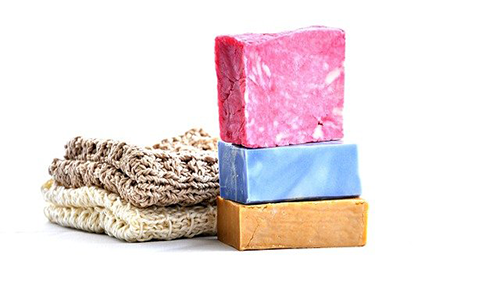
Children carry out a sequence of three investigations to research the environmental benefits of using a solid, as opposed to a liquid cleaning product, while developing their science and maths understanding through practical activities.
How much shampoo?
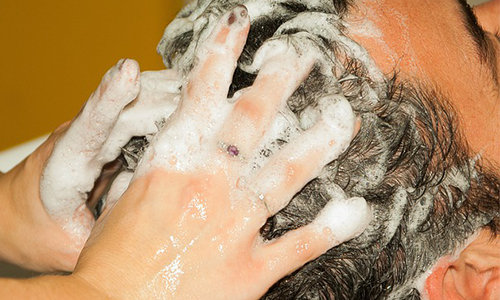
Children discuss the importance of using just the right amount of shampoo; as not enough will not wash the hair effectively but too much would be a waste of shampoo. They investigate how much shampoo is the ‘best’ amount.
Which packaging?
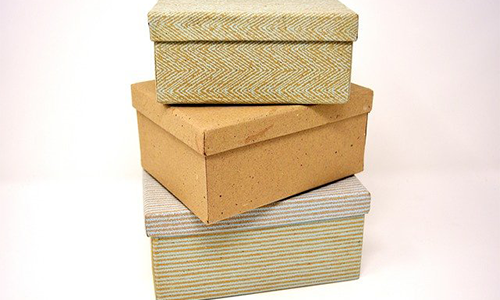
Children discuss the importance of minimising the quantity of raw materials that we use to make single use packaging. They then explore a range of possible packaging materials before finding out about an innovative solution that one company is developing. They then test different types of paper as potential packaging for soap and shampoo bars.