The context of the development of everyday materials such as plastic, metal, washing powder and sustainable, healthy food is used to explore the varied roles of scientists and engineers in promoting sustainability. It gives children the opportunity to develop key working scientifically skills including discussion, problem solving, and asking questions. Children are encouraged to develop their own ideas and questions, methods of recording, conclusions and recommendations throughout the activities. The activities also make strong links with the topic of materials and their properties.
Sustainable stories and solutions for our planet: Sustainable Materials
Introduction
- Keywords: sustainability, sustainable, working scientifically, materials, properties
Children carry out a survey to ascertain their thoughts about sustainability as well as their understanding of the impact of their own behaviour in actively bringing about change. They are encouraged to involve their families in the survey.
As a class, they create a "big-book" style environmental dictionary which will help others in their school to learn about important environmental issues.
Sustainable Materials: which metal?
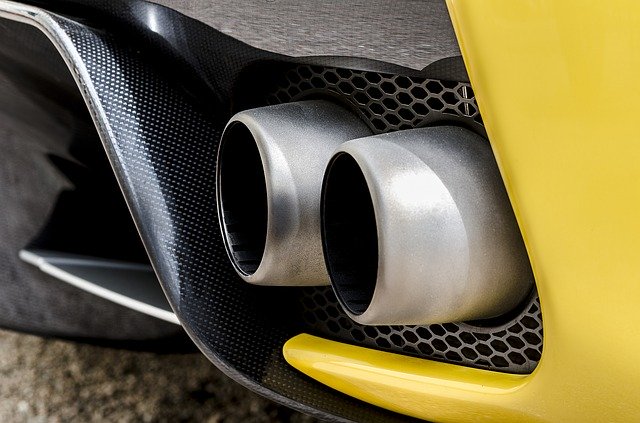
Groups investigate how metals can corrode when exposed to substances in the environment and that rusting is one type of corrosion. Children are introduced to the properties and uses of precious metals and consider how one company uses these to reduce the amount of dangerous gases emitted by high numbers of vehicles on our roads today.
Sustainable Materials: Which plastic?
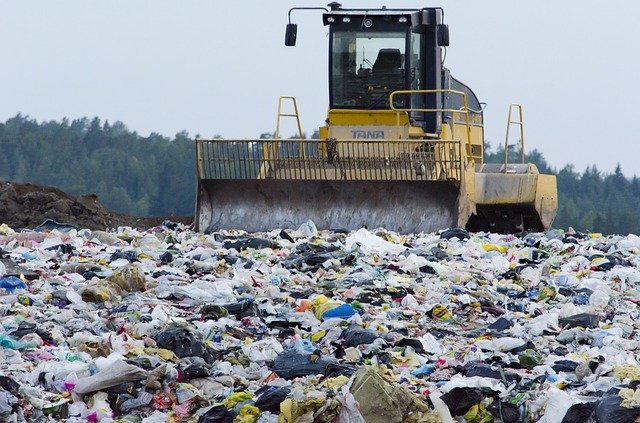
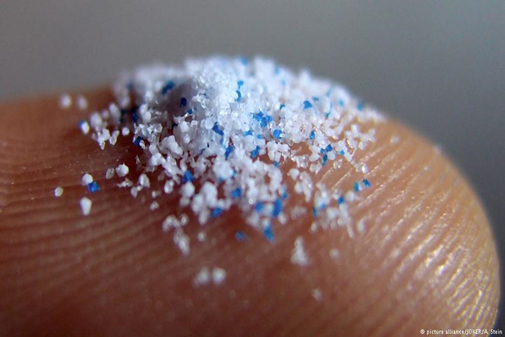
Children identify and name plastics by observing what happens when samples are placed in different liquids and when a force is applied. They learn about the impact that plastics can have on the environment and why it is important to recycle plastic items. They consider how one company supports a recycling scheme to reduce the amount of U-PVC that is usually used once and sent to landfill sites.
Sustainable Materials: Which washing product?
Groups plan and carry out their own fair test to investigate how effective different commercial washing products are at removing stains from fabric. They consider how one company has developed an ingredient for a new washing product which washes clothes more effectively so that we wash or replace them less frequently.
Sustainable Materials: How can we grow oyster mushrooms?
Children consider the benefits of following a more sustainable diet as an alternative to obtaining meat from animals as a source of protein. They are challenged to grow a crop of oyster mushrooms as a sustainable food source before learning about one company's solution to producing protein-rich food in a sustainable way.
Sustainable Materials: Which plant materials?
This activity focuses on renewable energy and how this can be less harmful to the environment than burning fossil fuels. They are challenged to carry out two investigations for a fictitious company in order to find a sustainable plant-based source of fuel. They learn about a real company's solution to producing energy for electricity from natural, sustainable sources such as plants.