
Trees, Stories and Connection at York Festival of Ideas
Posted on Tuesday 9 June 2026
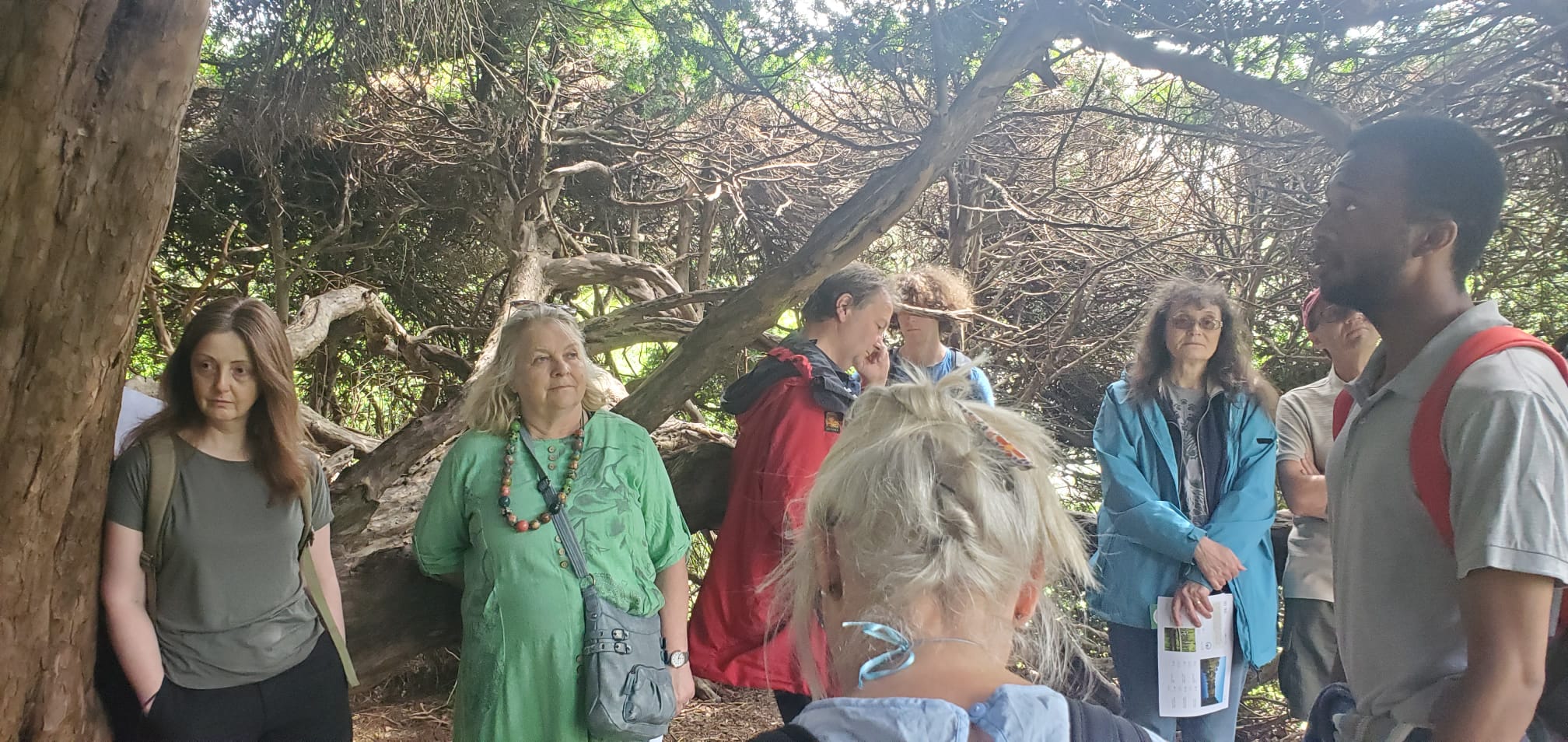
The event, 'Meet Our Campus West Trees', marked the launch of our reinvigoration of the University's Campus Tree Trail and invited attendees to explore some of the native trees that define the University's landscape. The walk featured a variety of trees, including willow, oak, hazel, holly, and yew, highlighting their connections to both nature and human life.
Instead of only focusing on identification and ecology, the walk highlighted the diverse perspectives that trees inspire. Participants encountered literary stories, explored tree names in various languages, participated in creative activities, and engaged in sensory exercises to encourage new ways of engaging with the landscape.

For example, Margaret Cavendish’s poem from 1653 portrayed the multiple ways we value the oak, long before current studies of social and cultural values of nature. The weeping willow symbolises grief and lament across languages, but also resilience and vitality - it is, after all, the 4000-year-old ancestor of aspirin. Meanwhile, the “running of the deer“ in ‘The Holly and the Ivy’ refers to the significance of holly trees in the historic deer-hunting practices of English nobility and royalty.
The event reflected the aims of the InTREEgue Network, which brings together researchers and practitioners from across the University to explore the role of trees and treescapes in society, culture, health and the environment. By drawing on expertise from across disciplines, the network seeks to deepen understanding of the relationships between people, nature and place.
Visitors were encouraged to share their own knowledge and experiences during the walk, sparking lively conversations among participants. Feedback emphasised the value of the event's interactive approach, with many appreciating the mix of science, storytelling, and creativity. Others mentioned feeling inspired to find new ways to connect communities with nature and outdoor learning.
Joanne Morris, a researcher at SEI, University of York and a network member, mentioned that it was wonderful to see how naturally the trees sparked conversations among everyone who participated. “Trees have a special ability to bring people together, and hearing the group share their personal stories and cultural links during the walk was very rewarding,” she noted. 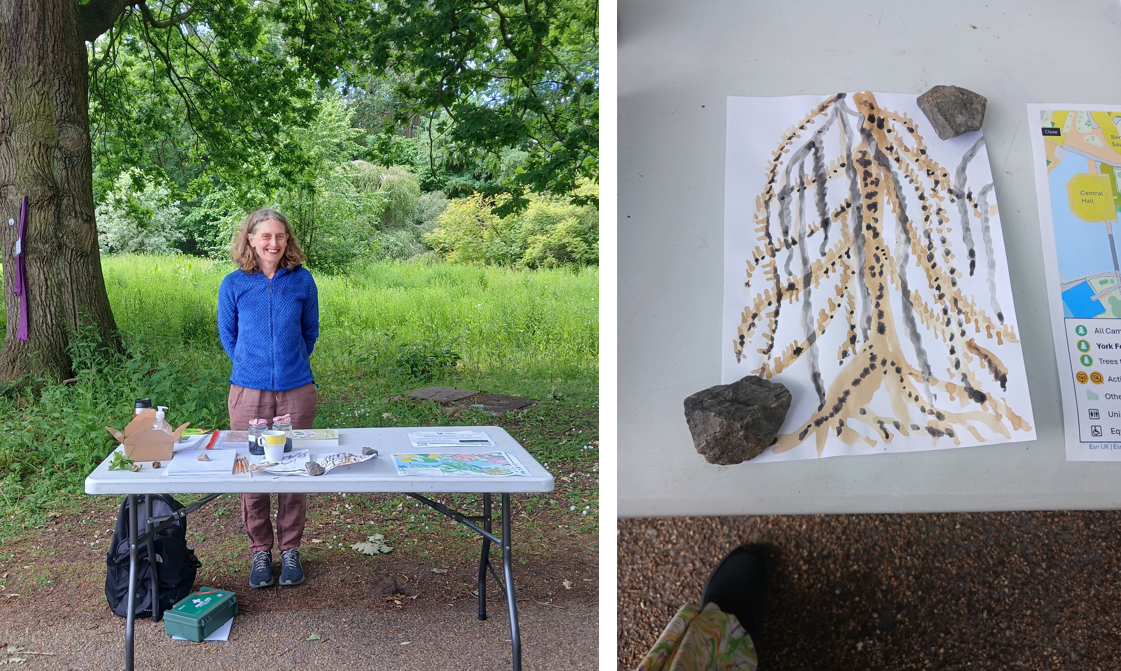
The guided walk also introduced visitors to the University's Interactive Campus Tree Trail, a growing digital resource that gathers a rich collection of material linked to individual trees across campus. Through themed pathways exploring literature, linguistics, creative activities, and public engagement, the trail shows how trees can serve as gateways to a broad range of ideas and experiences.
As the University continues to create opportunities for public engagement with nature and sustainability, events like these emphasise the vital role trees play in connecting people to their environment.
To learn more about, and be inspired by, these trees and more, visit our brand new Google Site: YESI InTREEgue Network’s “Interactive Campus Tree Trail”