Our impact
Explore case studies from researchers working with communities around the world towards positive change.

Posted on 24 May 2016
We're a step closer to stronger synthetic materials, thanks to research which decoded the natural process that makes shells, coral and teeth hard.

This hardening process has been applied by Mother Nature through over 500 million years of evolution”
Researchers, including scientists at York, wanted to understand why in chalk, the mineral calcite is weak, but in mollusc shells, it has evolved into a much harder, tougher material capable of protecting the shell’s occupants from sharp-toothed predators.
In a breakthrough which could pave the way for stronger synthetic materials, they found that the key to calcite’s toughness is linked to the role of amino acids, the basic building block of proteins which make up an integral part of biologically-formed minerals.
To understand the chemistry behind the process, the team grew synthetic calcite samples in the lab in solutions containing different concentrations of the amino acids. They then tested the chemical and mechanical properties of the crystals formed.
When two of the amino acids (aspartic acid and glycine) were added in controlled amounts, they increased the strength of single crystal calcite to match that of the biogenic calcite found in materials such as seashells, coral and teeth.
The project involved analysis by researchers from our Departments of Chemistry and Archaeology, working with teams from the Universities of Leeds, Cambridge, Sheffield and Cornell University.
Dr Kirsty Penkman, an analytical chemist at York and Dr Beatrice Demarchi from our Department of Archaeology measured the concentration of amino acid within each calcite crystal. The work was carried out in the North East Amino Acid Racemization (NEaar) labs at York.
“The work in the labs at York showed that the amino acids were incorporated directly into the single calcite crystals formed.” said Dr Penkman. “The modelling studies showed that this incorporation meant that to break the crystal apart, the bonds within the amino acids had to be broken too, giving the crystal much greater hardness.”
Dr Penkman added: “This hardening process has been applied by Mother Nature through over 500 million years of evolution. Now we have managed to replicate the technique in the lab.
“The understanding gained from this research opens up opportunities to apply the same mechanism to other man-made materials, such as synthetic bone implants, to increase their toughness and durability.”
The text of this article is licensed under a Creative Commons Licence. You're free to republish it, as long as you link back to this page and credit us.

Dr Kirsty Penkman
Research interests in the application of analytical chemistry to archaeological and geological questions

Dr Beatrice Demarchi
Research interests in the mechanisms of protein decay in the archaeological and fossil record
Tuning hardness in calcite by incorporation of amino acids is published in Nature Materials
The North East Amino Acid Racemization (NEaar labs) at York are the NERC-recognised facility for amino acid analysis. Follow on @NEaar_lab
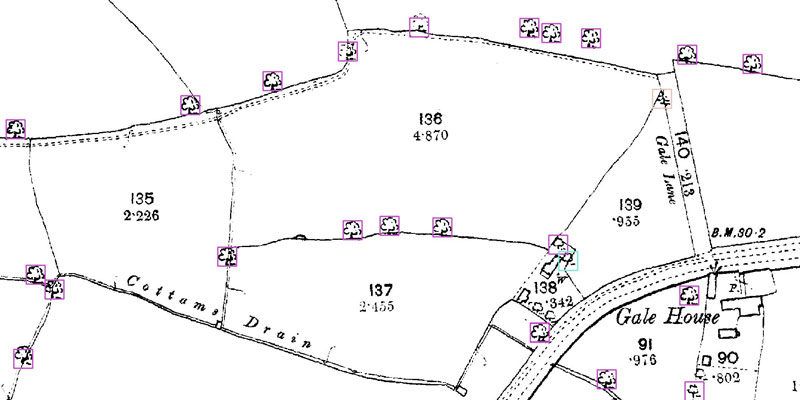
A research project needed to spot trees on historic ordnance survey maps, so colleagues in computer science found a solution.
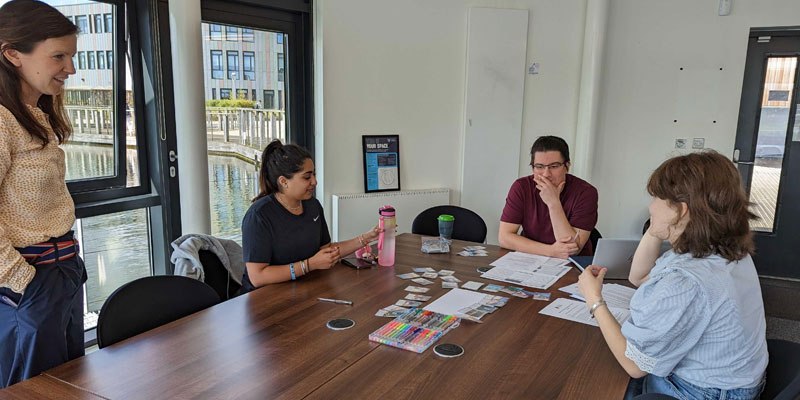
We’re using gaming technology to ensure prospective teachers are fully prepared for their careers.
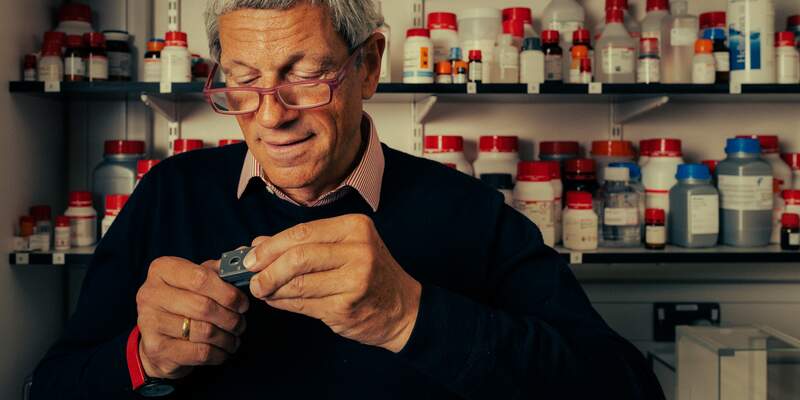
A low cost, high-accuracy device, could play a large part in the NHS's 'virtual wards'.
Our monthly research newsletter features a curated mix of news, events, and recent discoveries delivered straight to your inbox.