Meet us
Meet us online or on campus

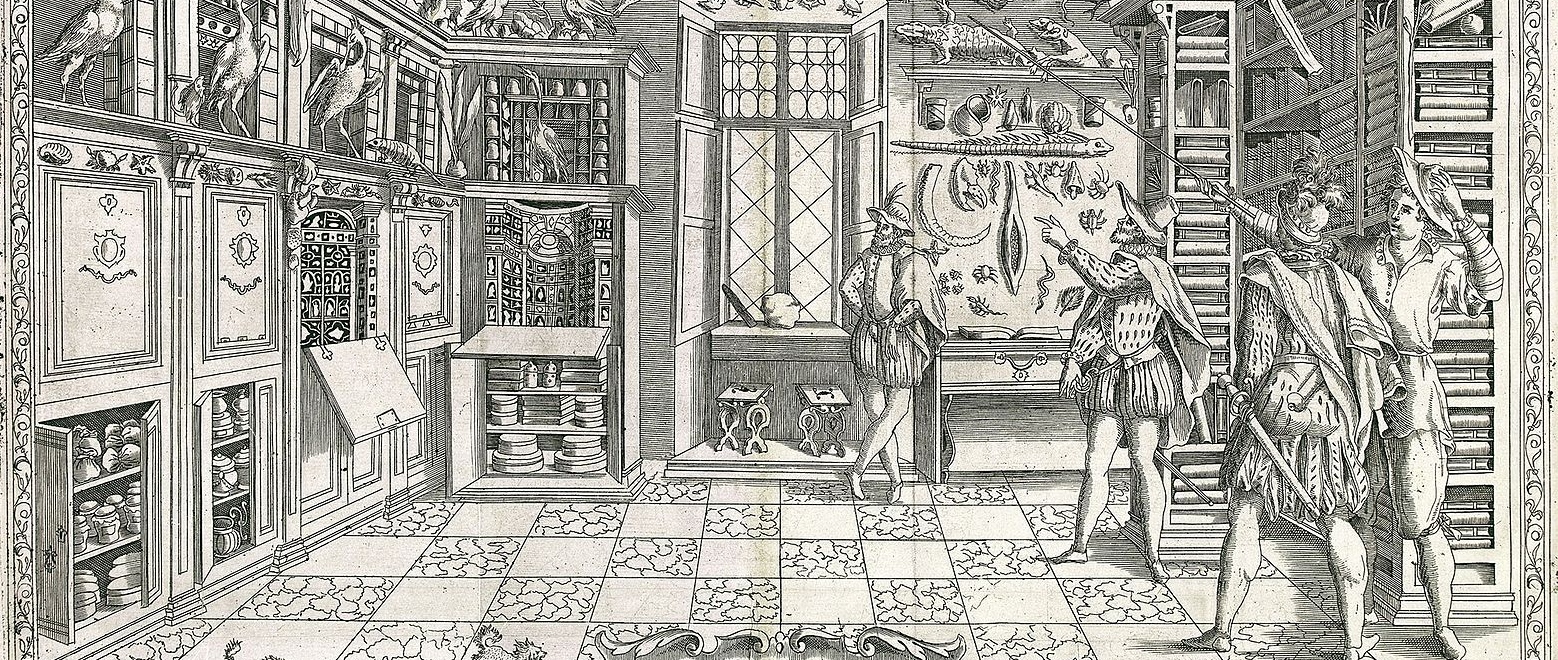
Pursue your research ambitions in an inspiring environment, supported by supervisors with a broad range of historical expertise.
We offer a distance learning option if you cannot live in or sufficiently near York to be on campus regularly. This option allows you the flexibility to work from anywhere in the world. As part of the application process, we will ask for justification for taking the distance learning option and will then assess the feasibility for this research programme.
If you're studying by distance learning, you'll be required to attend campus at least twice in each year of registration, with the visits timed to coincide with training and supervision milestones. Inductions run at the start of the academic year.
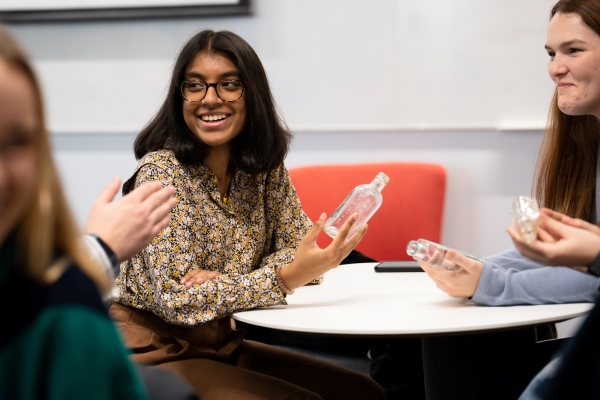
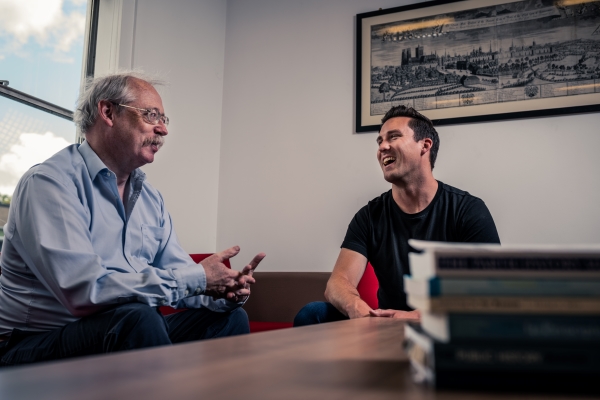
Your progress throughout your degree will be continually guided by your supervisor, who will help you to hone your focus and deliver specialised research.
Alongside regular meetings with your supervisor, you'll attend a Thesis Advisory Panel (TAP), consisting of at least one member of staff in addition to your supervisor. You'll meet twice a year (once a year for part-time students) to discuss your research project, including more general professional development and career training.
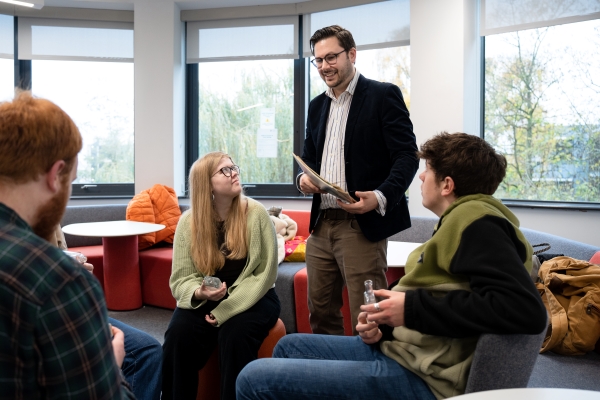
This course is run by the Department of History.
You'll be based on Campus West. Most of your training and supervision meetings will take place here, though your research may take you further afield. Distance learning options are available.
There are opportunities for you to study abroad. We have an annual desk exchange scheme with Lund, Sweden, which all our PhD students are invited to apply for.
You should have, or be about to complete, an MA in History or an equivalent subject with a distinction or very high merit.
If English is not your first language you must provide evidence of your ability.
Check your English language requirements
We welcome approaches from students from under-represented communities, including first-generation students and BAME students.
To apply for a PhD, you'll need to submit your CV (no more than 2 pages), the academic transcript for your UG and PGT degree (if relevant), an example of your written work and your research proposal, both no more than 2000 words excluding notes and bibliography. You may also need to submit a certificate of English proficiency.
Your research proposal should clearly identify your research questions and why they are important, how your project relates to existing research, and the methodology you plan to adopt. You'll also need to break down sources you might use.
You will be asked to identify the supervisor in the Department who has agreed to supervise your project. Before you submit an application, you must have contacted a supervisor and shared your project idea with them.
Any questions regarding the application process should be directed to history-admissions@york.ac.uk.
Have a look at the supporting documents you may need for your application.
Find out more about how to apply.
As part of any application for a research degree, you will need to name one or more academic staff who could supervise your research. You should approach them informally to discuss your proposed project before you apply.
To be accepted onto the PhD programme, you must submit a research proposal. This proposal should convey how your project is original, feasible, and demonstrate a good grasp of the wider scholarship in the area you want to work in. The proposal should be your original work and not produced using AI tools. It should be no longer than 2000-2500 words in length (including a bibliography).
You should use these headings for your proposal:
As part of your application, you may be interviewed by one or two academic staff members, including your prospective supervisor. The interview will last around 30 minutes to an hour, with plenty of time for you to ask questions and find out what York can offer you.
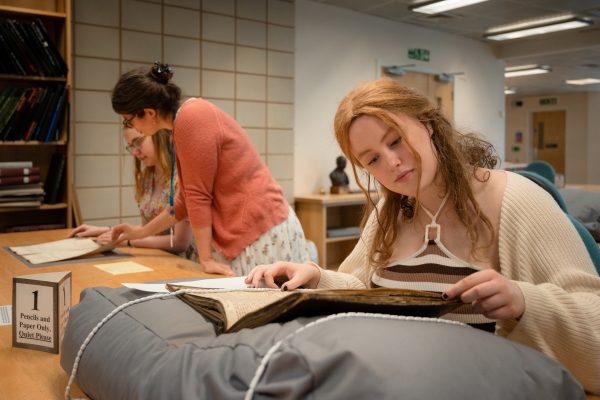
As part of the interview, you could have the chance to tour our facilities, including the Humanities Research Centre, the Borthwick Institute for Archives and the University Library, and attend a research seminar.
Your PhD will help to extend your qualifications, giving you the ability to use research and historical thinking to shed light on historical problems and communicate this knowledge with others. You will become equipped with transferable skills in project design and management, data retrieval and analysis and engagement with varied audiences. These are all central to professions beyond higher
education.
Our dedicated careers team offer specific support including a programme of professional researcher development and careers workshops and 1:1 career support sessions. They will help you to build up your employability portfolio and to engage in activities that will build up your skills and experience within and outside of your research work.