
Neuroscience
Cognitive neuroscience
Cognitive neuroscience has a particular focus on the role of sleep in emotional memory regulation and mental health (Cairney), memory consolidation (Gaskell), and how the brain remembers information over long periods of time (long-term memory formation) (Horner). This research utilises York’s state-of-the-art sleeping laboratory. Supporting our understanding in long-term memory formation is research into synaptic activity-dependent regulation of gene expression in cultured neurons from the rodent hippocampus, which is a region of the brain important for long-term memory formation (Chawla).
Other areas of interest, that overlap with the area of neuroscience of the lifespan, are development of mathematical cognition (Göbel) and acquisition of language (semantic memory processing) (Gaskell), prediction of individual differences in learning through the study of developmental disorders (dyslexia) (Henderson), language and communication problems (Hobson) and the decline of memory and language in patients with semantic impairments such as dementia (Jefferies and Jackson).
Emotional development and regulation is key to healthy mental health. Early social and emotional development, particularly how infants and toddlers develop the ability to resonate empathically with others is studied (Geangu). Adolescent mental wellbeing (Pike) and disorders such as schizophrenia (Humpston) that is frequently first observed in young adulthood are also strengths.
Neuroscience of the lifespan
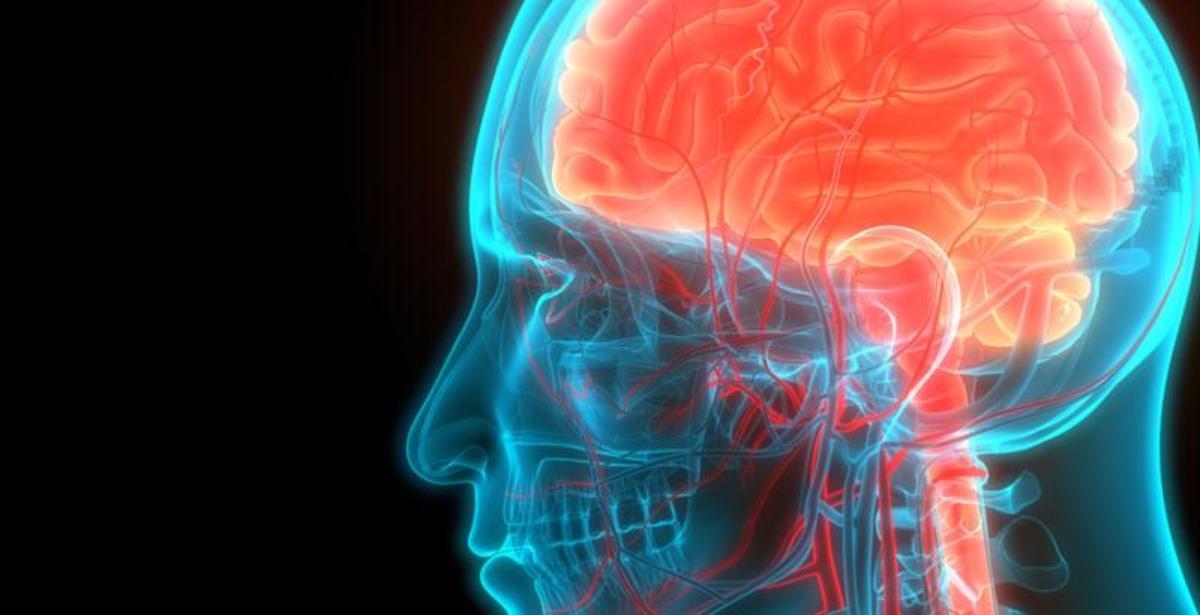
Neuroscience of the lifespan includes neurodevelopment and issues which occur later in life.
Neurodegenerative diseases such as Leukodystrophies (Hamilton), Parkinson’s (Wade), Alzheimer’s (Quinn), Frontotemporal Dementia and Amyotrophic Sclerosis (ALS) (Sweeney, Chen) and Neuroblastoma (Evans, G). Hahn examines the molecular mechanisms by which axons can develop and be maintained over the lifespan.
In addition to research into the fundamental mechanisms of the diseases, researchers study early disease detection (Smith), potential for rehabilitation (Pelah) and impact of disease on the brain structure and function. Read more on our Biomedical Technologies page.

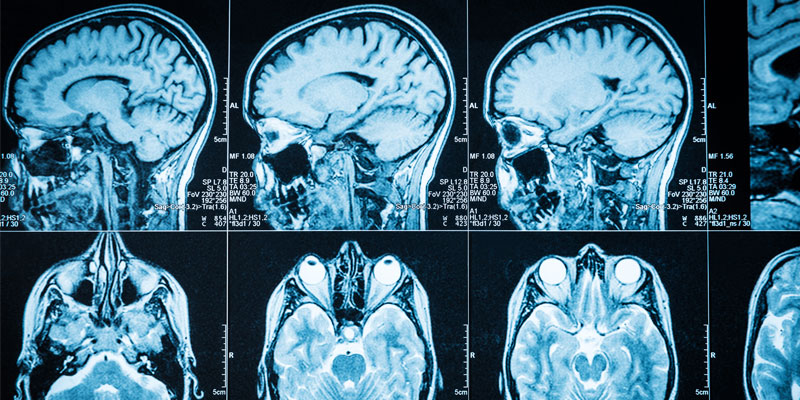
Underpinning neuroscience research at York is imaging. From studying molecular mechanisms in animal models using the preclinical MRI system (Centre for Hyperpolarisation in Magnetic Resonance) to imaging humans (York Neuroimaging Centre). Academics develop novel imaging techniques (Duckett) and analysis (Halliday) that cover multiple scales and resolutions to capture structure, function and neurochemistry of the brain. The use of imaging techniques are maximised by the York-Maastricht Partnership that allows YBRI academics to access unrivalled ultra-high field MRI in Maastricht.