Skip to content Accessibility statement

Brain health

The Brain Health pillar addresses vital public health challenges: understanding, preserving, and restoring neurological, cognitive, and sensory wellbeing across the lifespan.

Bringing together Biology, Psychology, Hull York Medical School, and the School of Physics, Engineering and Technology, our research addresses four key themes:

  • Cellular Vulnerability and Ageing: Investigating how nerve cells deteriorate and how brain immune responses react during disease, identifying targets to slow neurodegenerative conditions such as frontotemporal dementia, Parkinson’s Alzheimer’s, macular degeneration, motor neurone disease and rare developmental brain disorders (leukodystrophies).
  • Cognitive Function and Wellbeing: Examining how the brain manages memory, language, numerical processing, decision-making, and stress, alongside how sleep protects memory to support mental health.
  • Vision and Sensory Processing: Exploring visual perception, including how sight loss from age-related macular degeneration alters visual pathways between the eyes and brain, and how clinicians interpret medical images, advancing early diagnosis and treatment options.
  • Digital Health and Monitoring: Developing non-invasive sensors to assist in monitoring movement disorders such as Parkinson's disease in daily life.

By integrating fundamental science with clinical and technological insights, employing in vivo and in vitro studies, our work builds the evidence base to inform future diagnostics, clinical practices, and interventions that support lifelong cognitive, mental, and visual health.

YBRI members

For a full list of YBRI members, including researchers’ interests and relevance to our disease pillar and cross cutting themes, visit our members’ page.

See the list of YBRI members

Cross-cutting themes

Researching fundamental immune mechanisms across diseases to develop advanced diagnostics and promote healthy ageing.
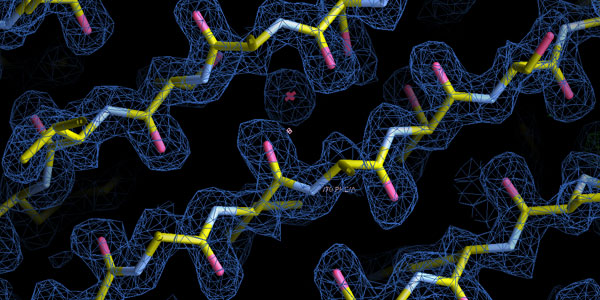
Combining interdisciplinary approaches to understand molecular processes in disease.
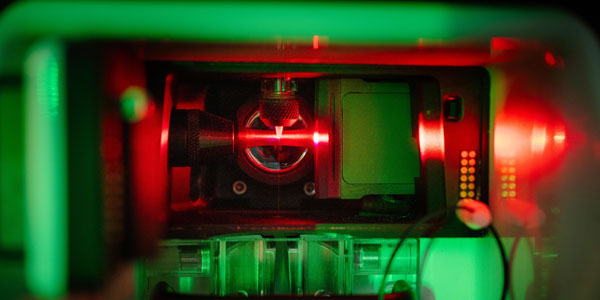
Uniting cross-specialty researchers to create innovative medical devices and cutting-edge treatments.