Skip to content Accessibility statement

Is There Anyone Out There?

Age range
9-11 years
Science topic
Living things and their habitats, Rocks
Type of enquiry
Comparative/fair tests, Problem solving, Research/using secondary sources

This resource is based upon the quest to discover more about our solar system through space projects such as the European space agency’s aurora programme, and NASA’s curiosity mission seeking to gather evidence of life on the planet Mars. The children take on the role of space scientists or space engineers to discover more about Mars.
Martian Soil

  • Science topic: Rocks
  • Type of enquiry: Comparative/fair tests
  • Keywords: rocks, KS2, Y4

Martian Soil

Looking for evidence of microorganisms

  • Science topic: Living things and their habitats
  • Type of enquiry: Comparative/fair tests
  • Keywords: KS2, Y6, microorganisms

Children consider what life might look like if it exists on Mars and think about how scientists could prove that life was (or ever had been) present. They are then given ‘Martian soil’ samples. They plan and carry out a test to ascertain whether any of them contain microorganisms.

Landscape discussion

  • Type of enquiry: Research/using secondary sources
  • Keywords: KS2, cross curricular, geography

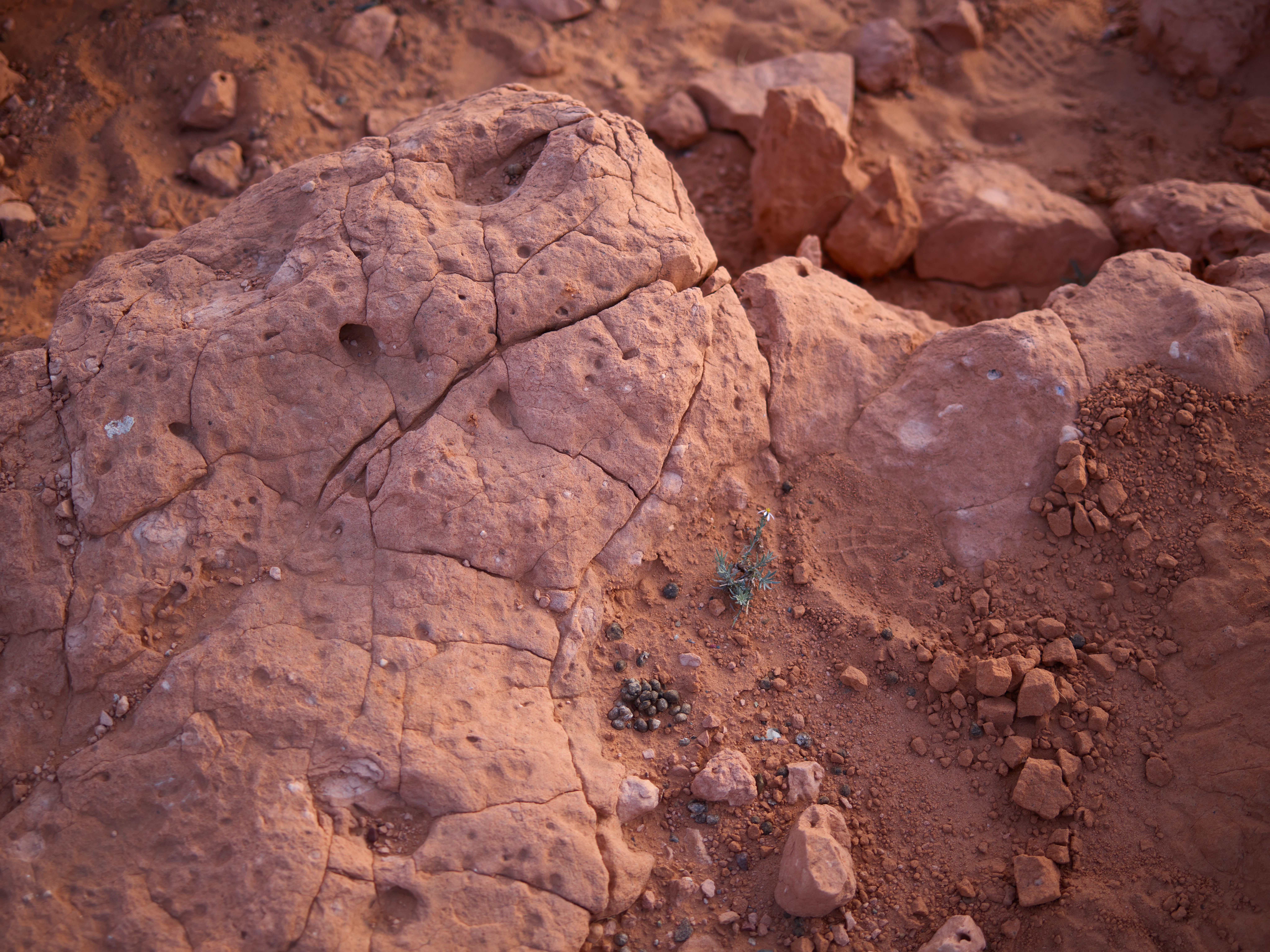
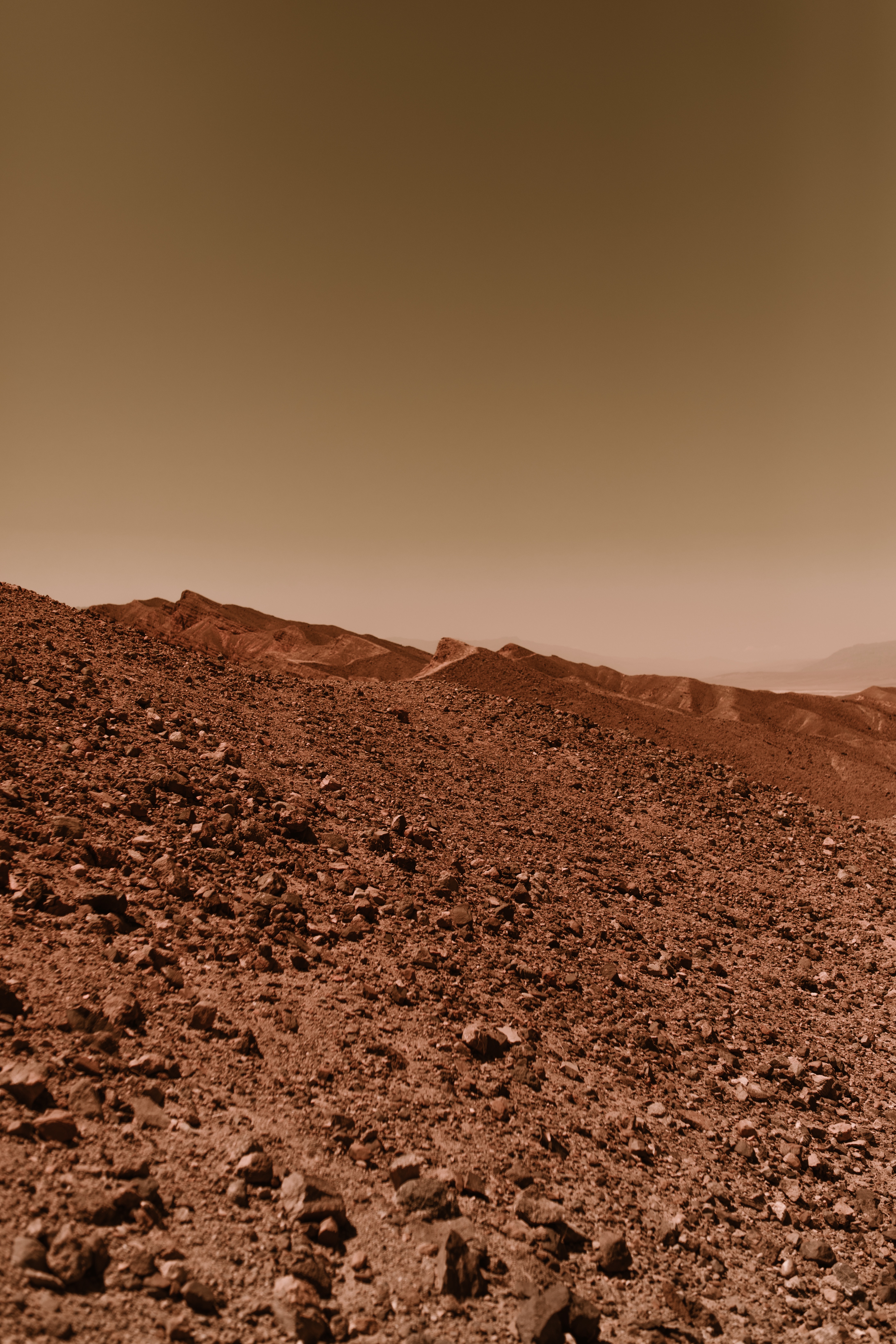
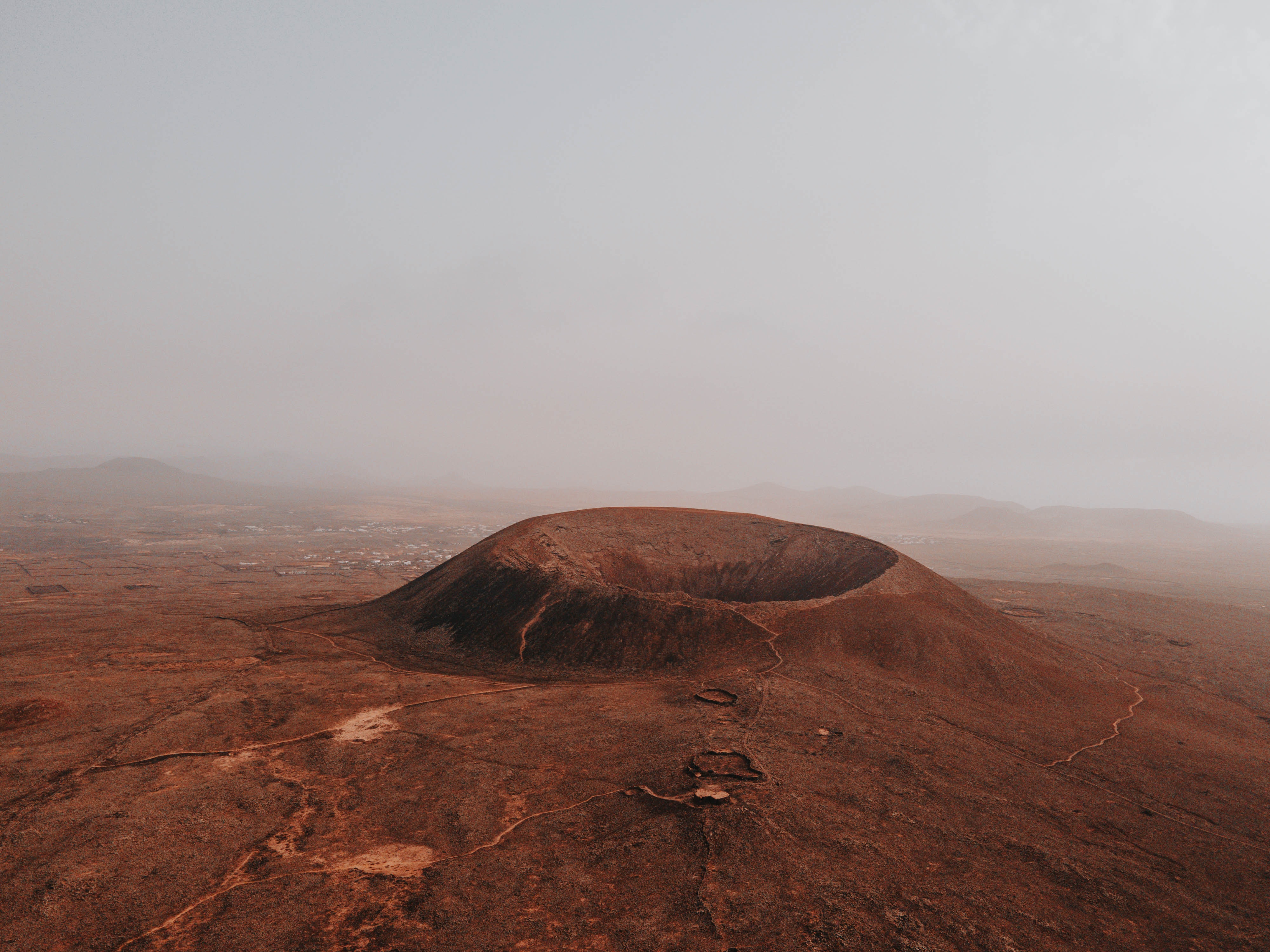
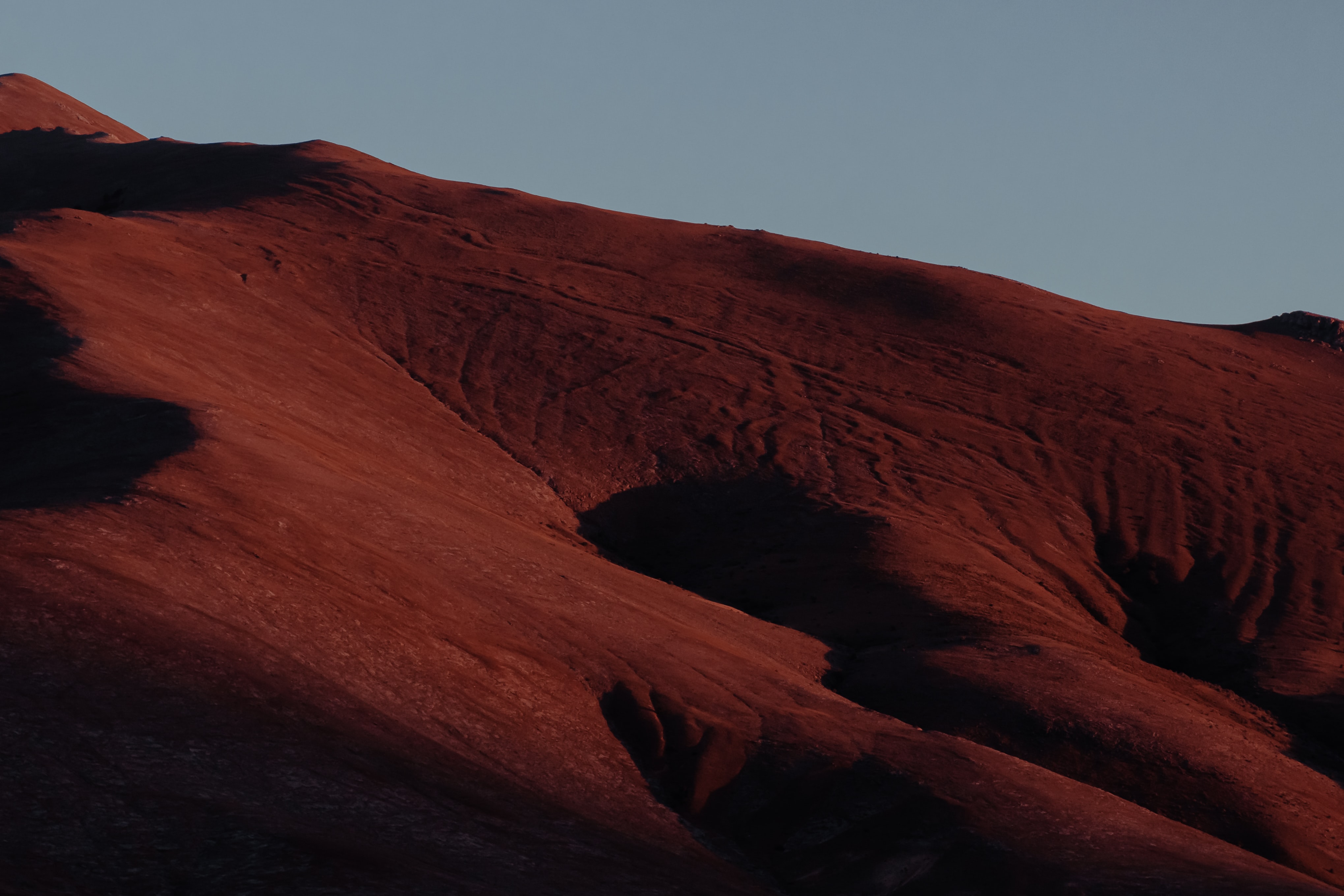
Children study images from Mars to note significant features. They compare them with images from Earth to help them to make hypotheses about their formation.

Investigating craters

  • Type of enquiry: Comparative/fair tests
  • Keywords: KS2, cross curricular, geography

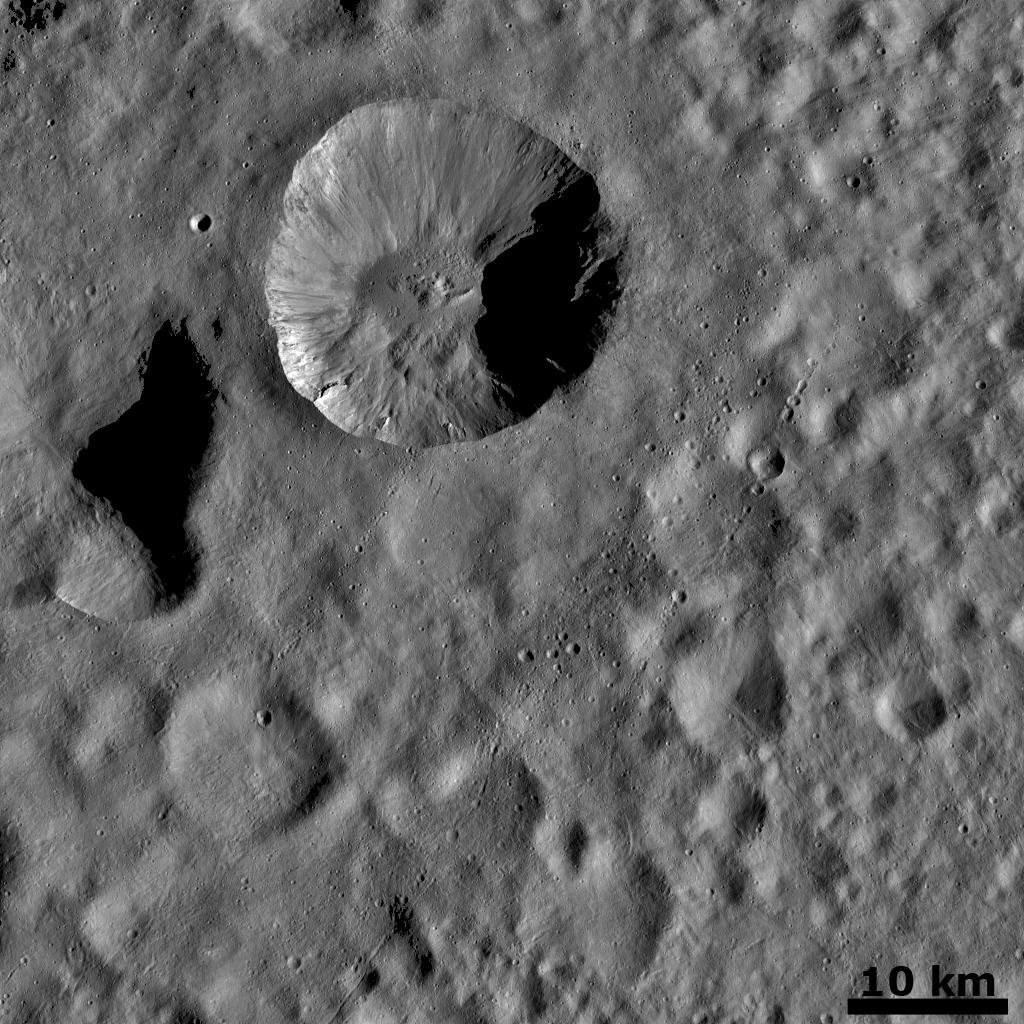
Children carry out and evaluate practical tasks to mimic crater formation and consider what information can be gained about meteorites by studying the craters they make.

Investigating powdery surfaces

  • Type of enquiry: Problem solving
  • Keywords: KS2, cross curricular, geography

Children carry out and evaluate practical tasks to mimic crater formation and discover how meteors expose deeper layers of soil and rock on a planet’s surface making it easier for scientists to collect samples.

Investigating muddy surfaces

  • Type of enquiry: Problem solving
  • Keywords: KS2, cross curricular, geography

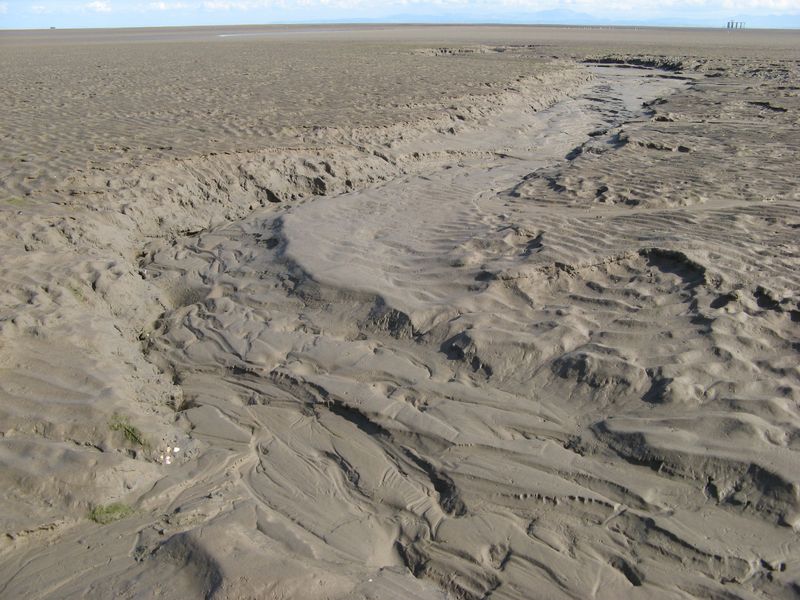
Children investigate what patterns are left when objects are dropped onto a wet surface. They compare these with images of craters on Mars and discuss whether this is evidence that previously there was water on Mars.

Volcanos and lava

  • Type of enquiry: Problem solving
  • Keywords: KS2, cross curricular, geography

Children carry out and evaluate practical tasks to mimic lava flow.

Investigating water channels

  • Type of enquiry: Problem solving
  • Keywords: KS2, cross curricular, geography

Children carry out and evaluate practical tasks to mimic the creation of channels and deltas.

Investigating the best landing site for a Mars rover

  • Type of enquiry: Research/using secondary sources
  • Keywords: KS2, cross curricular, geography

Children consider data from the viewpoint of scientists or engineers to identify the best landing site for the rover. They estimate the age of landing sites, identify landscape features such as craters, rocks, deltas, canyons, elevations and interpret scales, data and images. The class debates to decide the most appropriate location.

Partners

Supported by the UK Space Agency.