
News
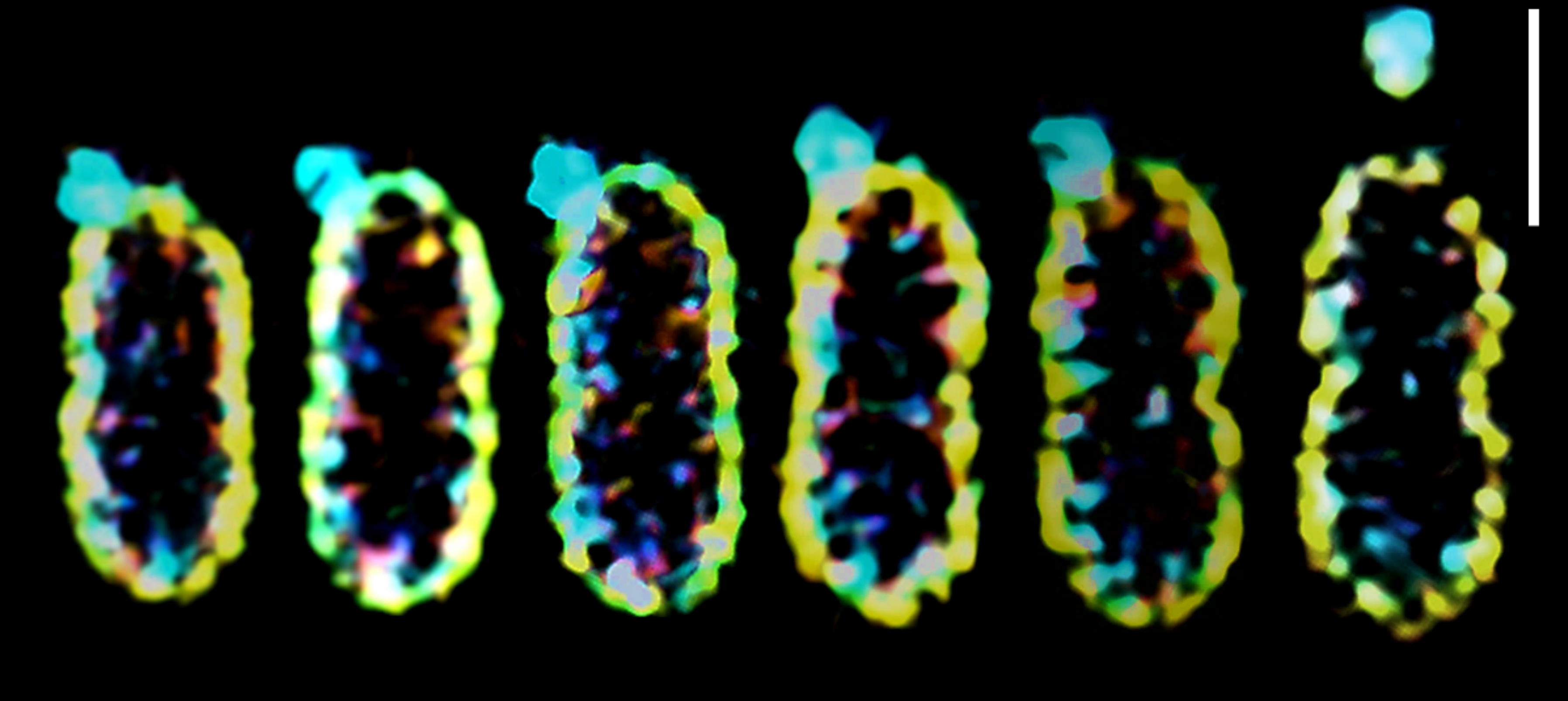
York researchers have uncovered how E. coli renews its protective outer membrane despite the absence of cell growth, revealing the role of nanoscale lipid spheres called vesicles in remodelling this barrier helping it to shield bacteria from antibiotics and immune attack.
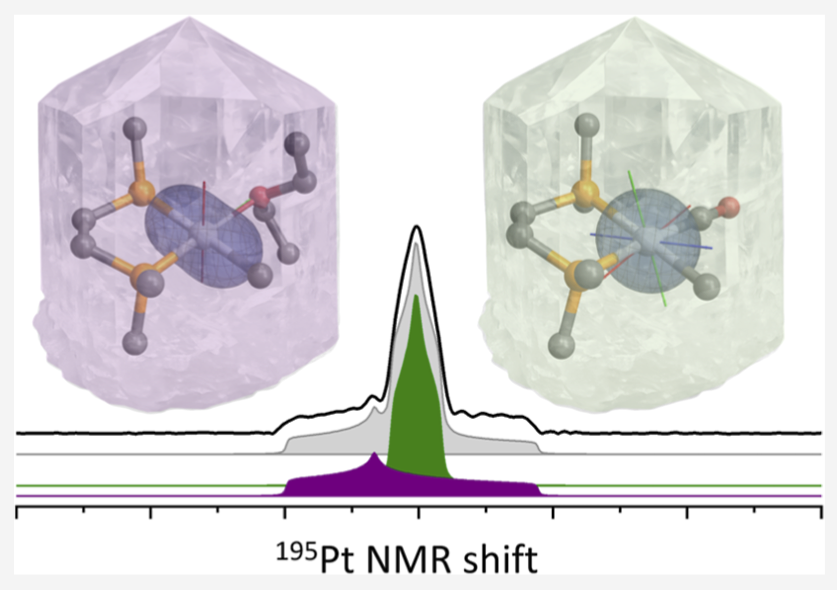
A new study shows that reactivity of platinum organometallic complexes in single-crystals can be followed using unique NMR fingerprints that describe changes at the metal centre on addition of reactive gases. This methodology may ultimately help provide vital mechanistic understanding of industrially important processes, such as those in fuel cells and catalytic converters.
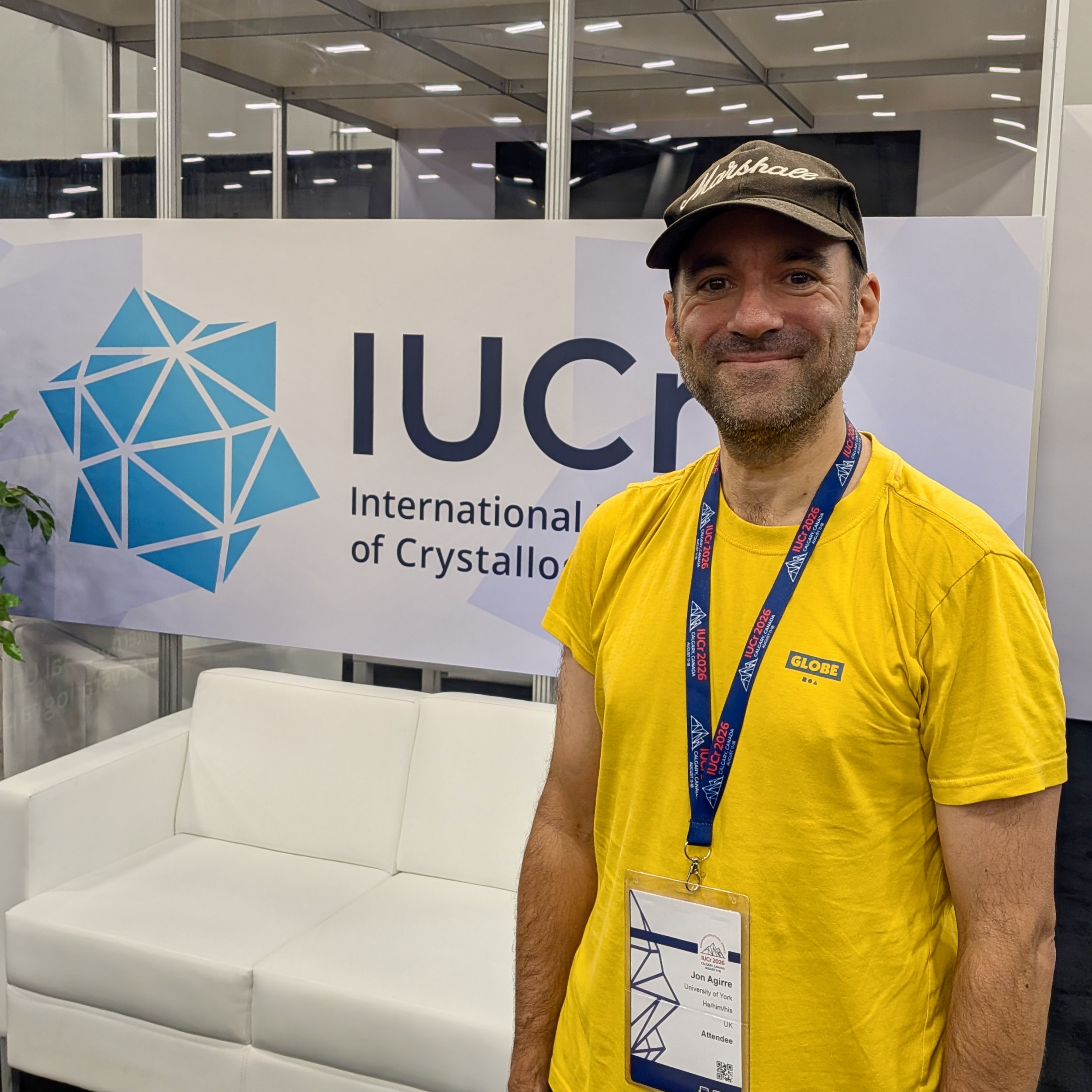
Jon Agirre of the Department of Chemistry was unanimously voted in as the next Editor-in-Chief of the International Union of Crystallography (IUCr) journal portfolio, succeeding Andrew Allen (NIST, USA).

Electrochem2026, held in York from Sunday 23rd August to Tuesday 25th August, was an electrifying success.
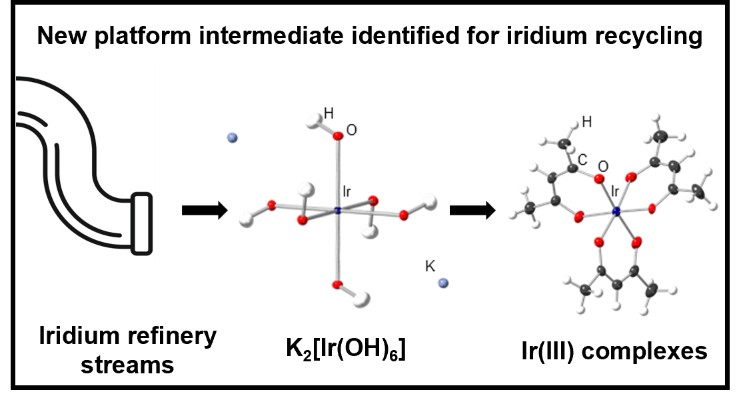
A collaboration between the University of York and Johnson Matthey has led to a lower-energy route to recycle iridium from complex industrial waste streams, providing a key platform for sustainable and circular iridium use.
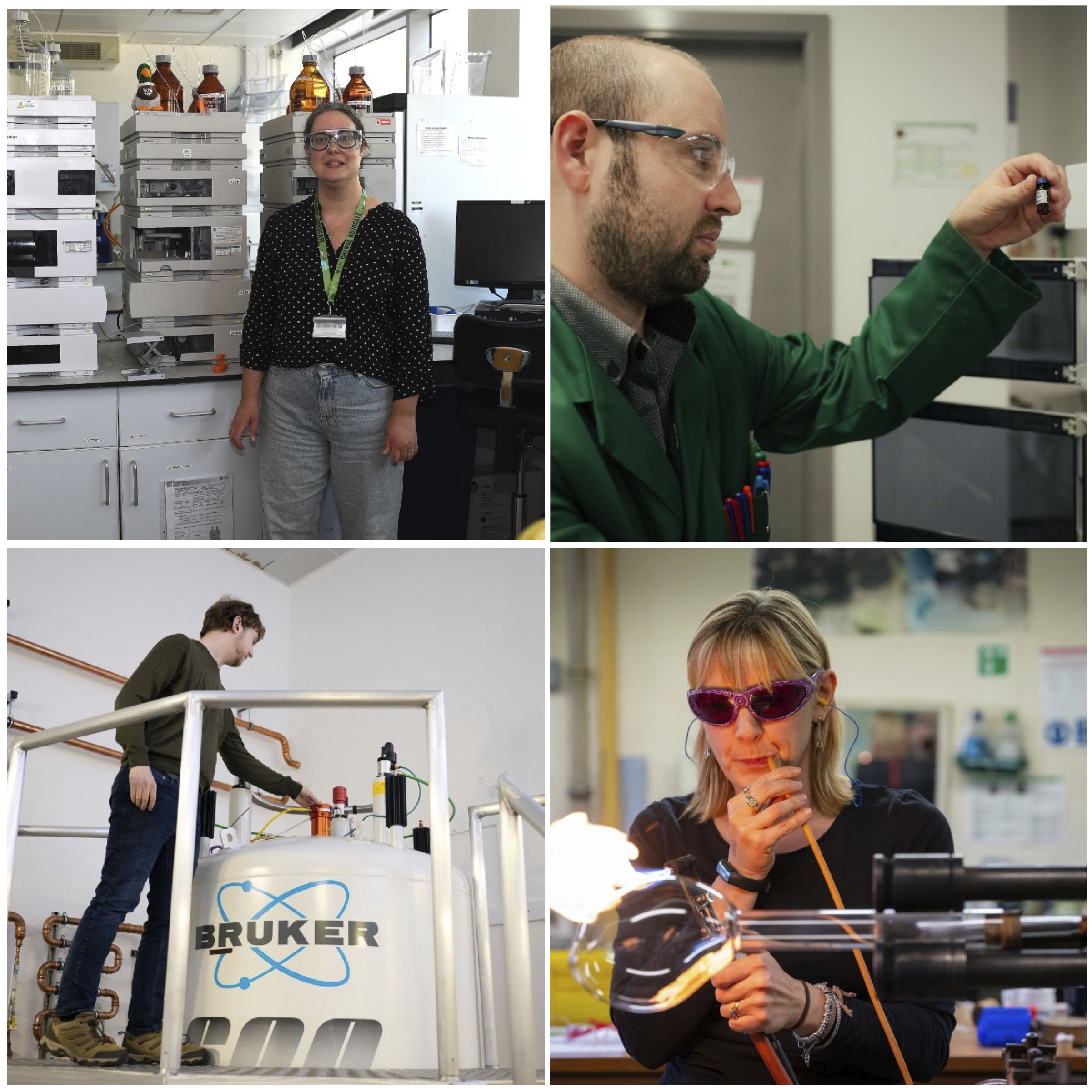
Excellent technical support in Chemistry is absolutely key to the high-quality research we publish. In the last year over 30 publications have featured technical colleagues as co-authors, from across all our six major research themes.
.jpg)
The biannual magazine from the Department of Chemistry highlights our activities, focusing on our people, our teaching and our research.
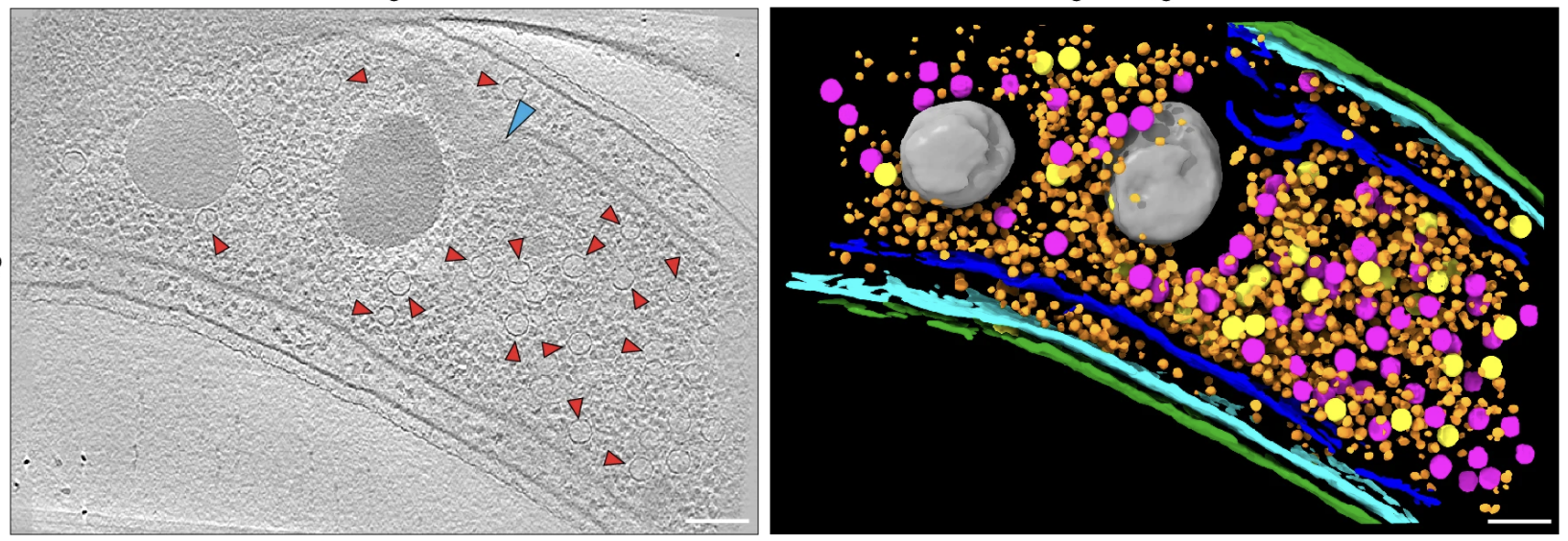
A new study co-authored by York Structural Biology Laboratory’s Dr Pavol Bárdy and Mai Nguyen reveals how bacteria co-opt an ancient immune system to trigger self-destruction and spread antibiotic resistance.
ChemYork Magazine
We produce a biannual magazine highlighting our teaching, research, staff and students.
Read ChemYork