CfAA newsletter
Sign up to receive the latest news, research and events related to the CfAA

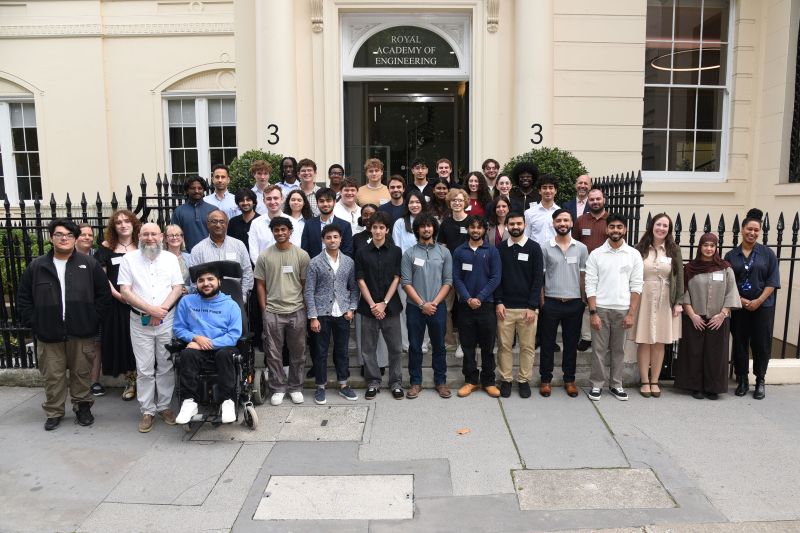
This summer, the Centre for Assuring Autonomy (CfAA) contributed to the University of York’s Google DeepMind Research Ready Programme, supporting undergraduate students to gain hands-on research experience at the intersection of artificial intelligence, robotics and safety assurance.
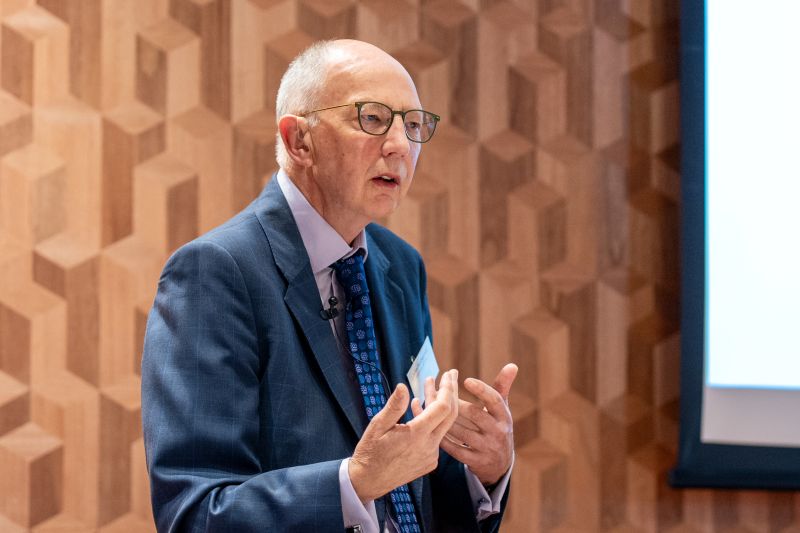
CfAA Director, Professor John McDermid responds to the Prime Minister’s comments on global standards for AI.
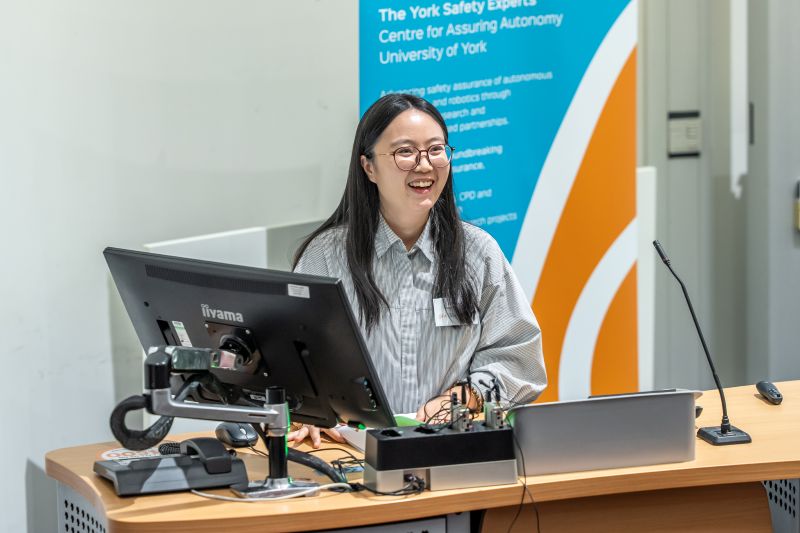
In the second part of our Structural Causal World Models (SCWMs) blog series Dr Jie Zou examines how SCWMs can address a critical safety assurance question

Our newest researcher, Dr Rachel Yin, will be supporting our work in foundation models for machine learning, seeking to answer questions around uncertainty and reliability. Here, she explains more about her research background and her work at the CfAA.

Research initiative aims to close gap between AI safety research and practical engineering to reduce risk and enable faster, safer deployment of AI-enabled automotive systems
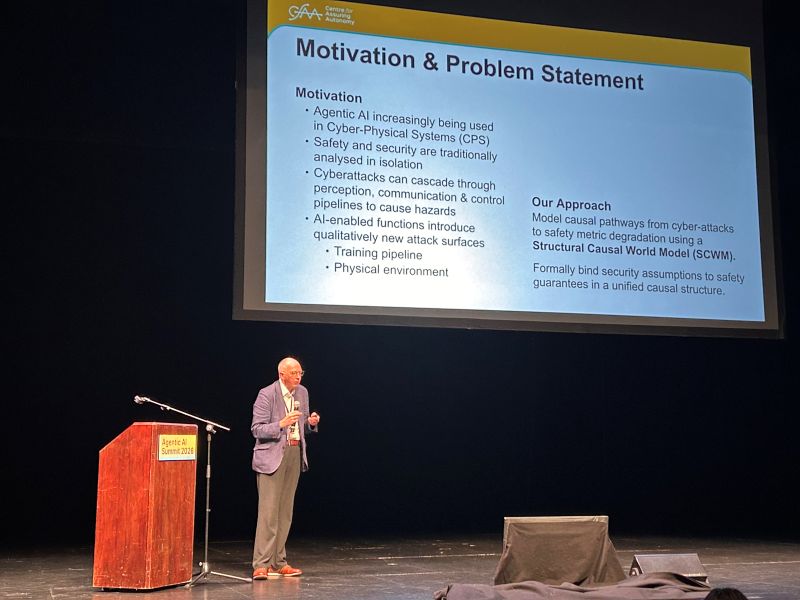
Speaking at the recent Agentic AI summit at UC Berkeley, Professor John McDermid emphasised the need for guardrails in the face of growing safety and security challenges around agentic AI.