
News
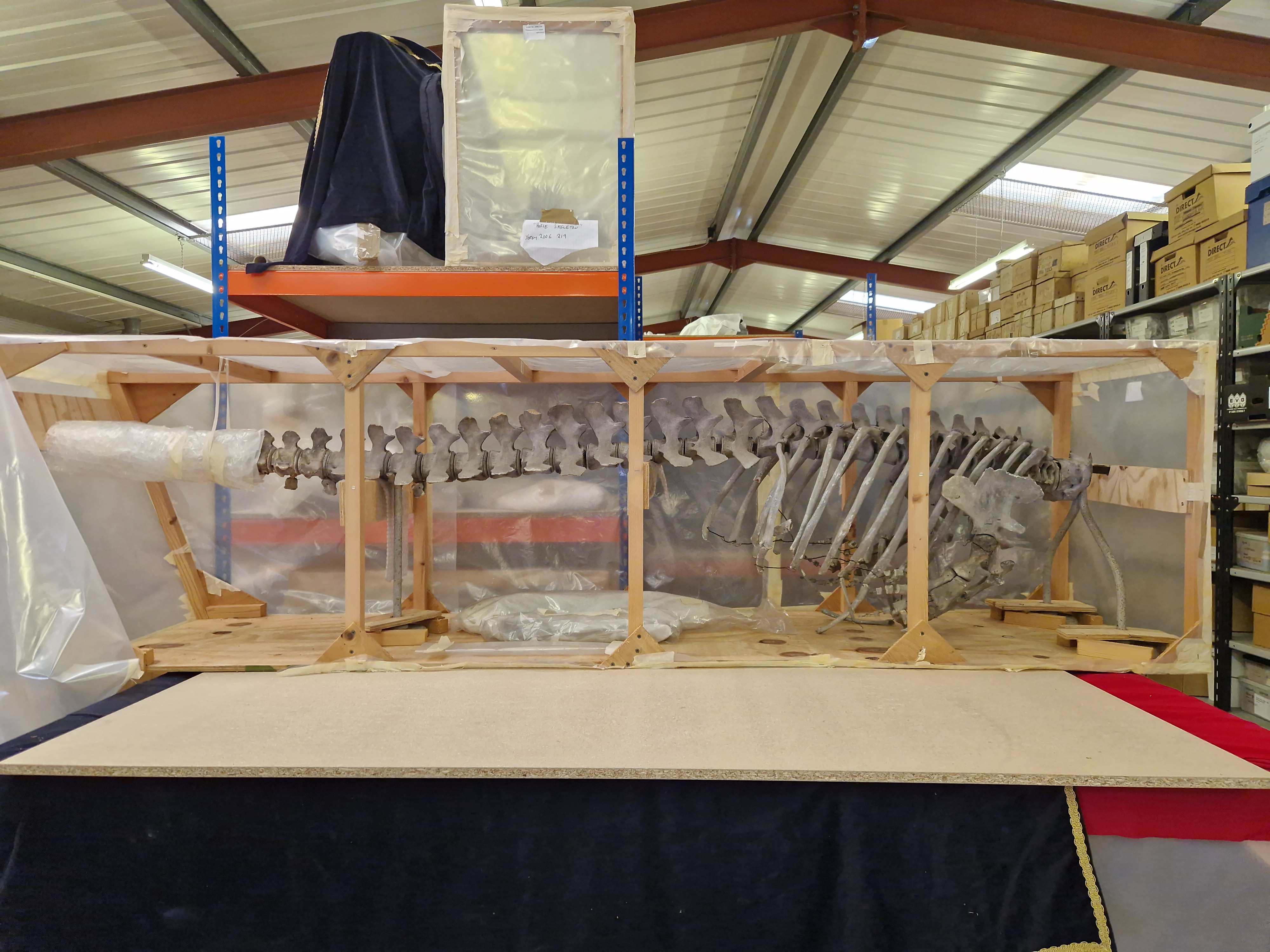
Three projects involving staff at BioArCh have been awarded funding through the Research Infrastructure for Conservation and Heritage Science (RICHeS) Access Fund.
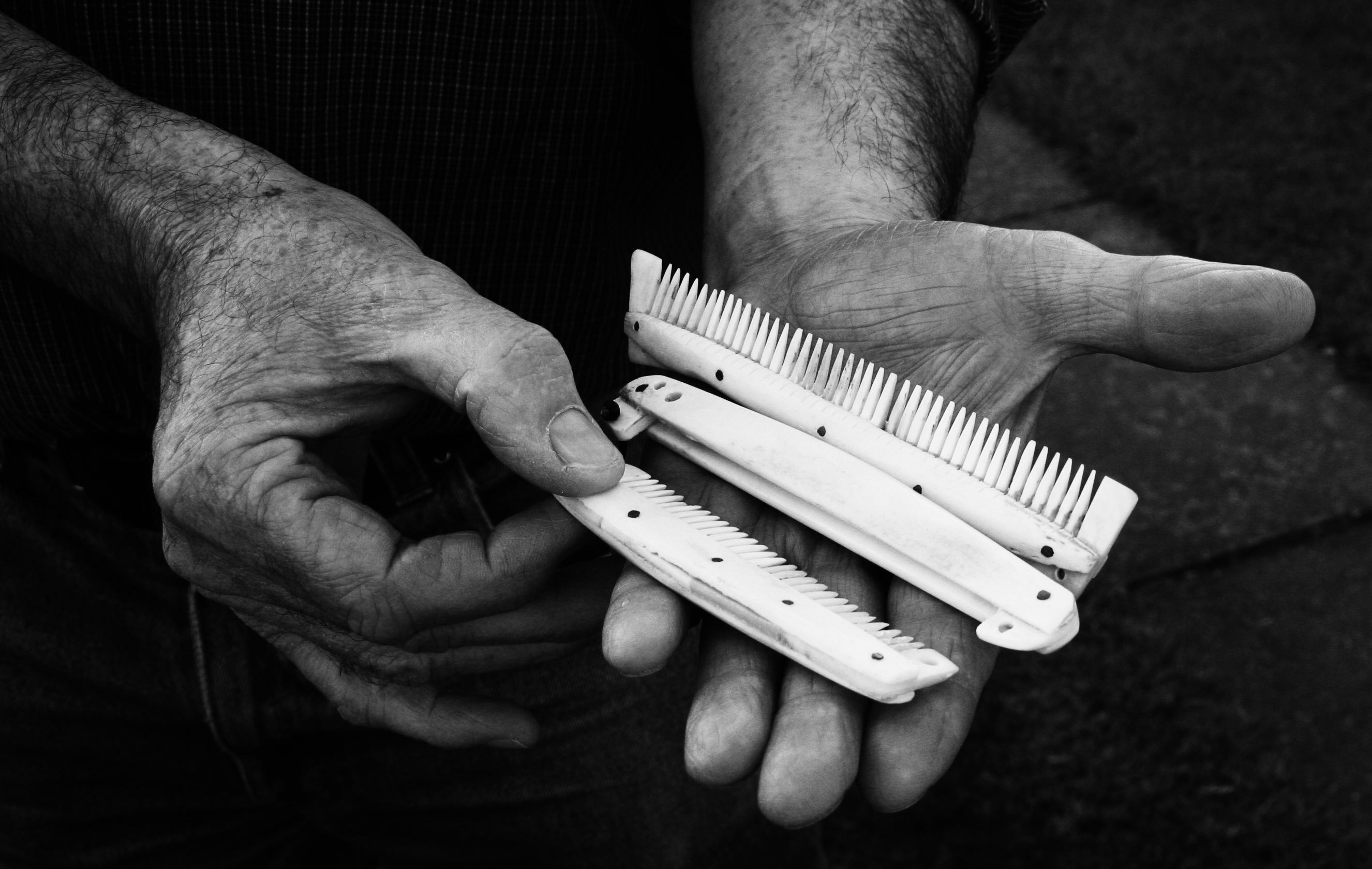
York team to apply bioarchaeological analysis to bone artefacts in largest study of its kind.

A recent graduate from the Department of Archaeology has been recognised as one of the UK’s most influential champions of open knowledge.
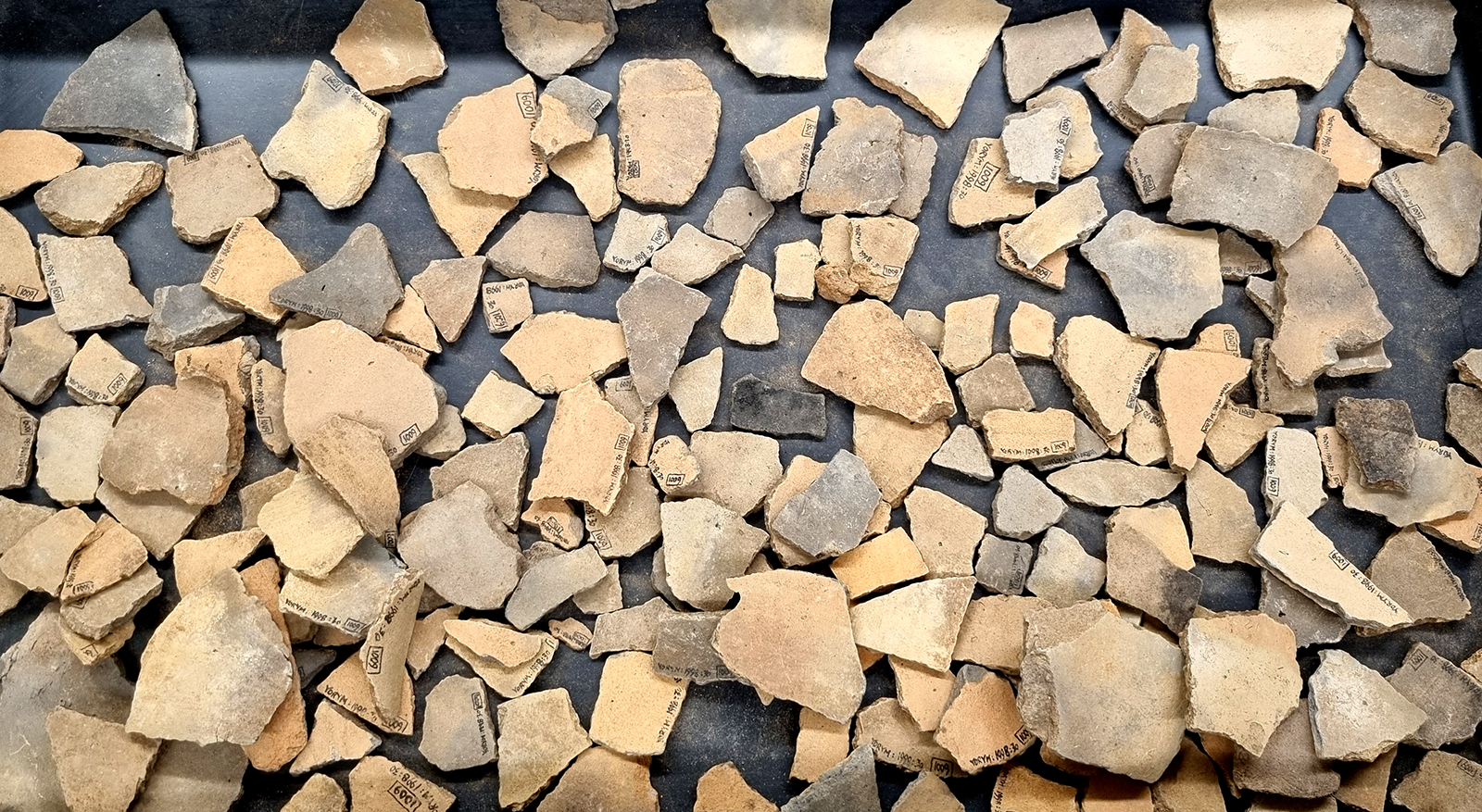
New research sheds light on innovations in rural pottery production after the Norman Conquest.
A study has revealed that despite centuries of violent regime changes, medieval Sicily was a genetic ‘melting pot’, where Christians and Muslims thrived together.
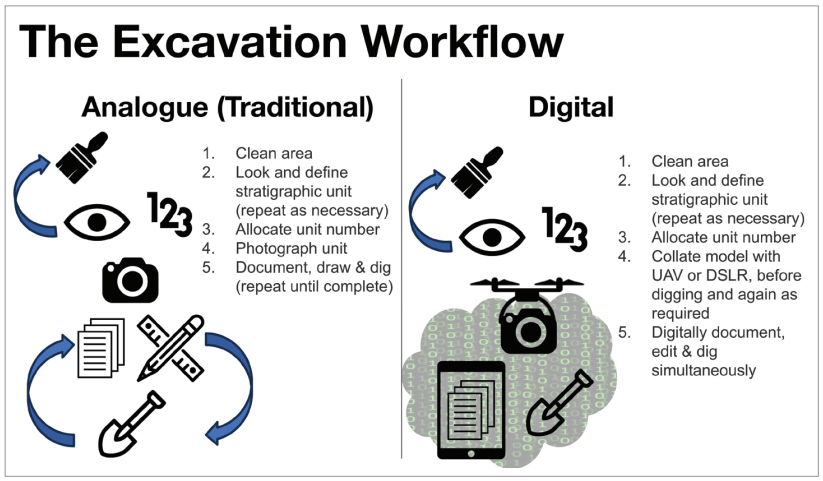
Two chapters published by York academics in a new volume about digital impacts on archaeological fieldwork.
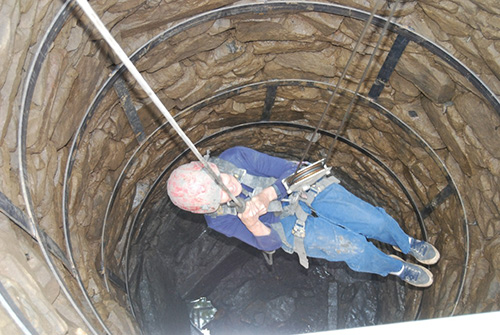
Scientists analysing 2,000-year-old grape seeds from ancient wells in Tuscany have mapped the most extensive genetic history of ancient grapevines recovered from a single site.
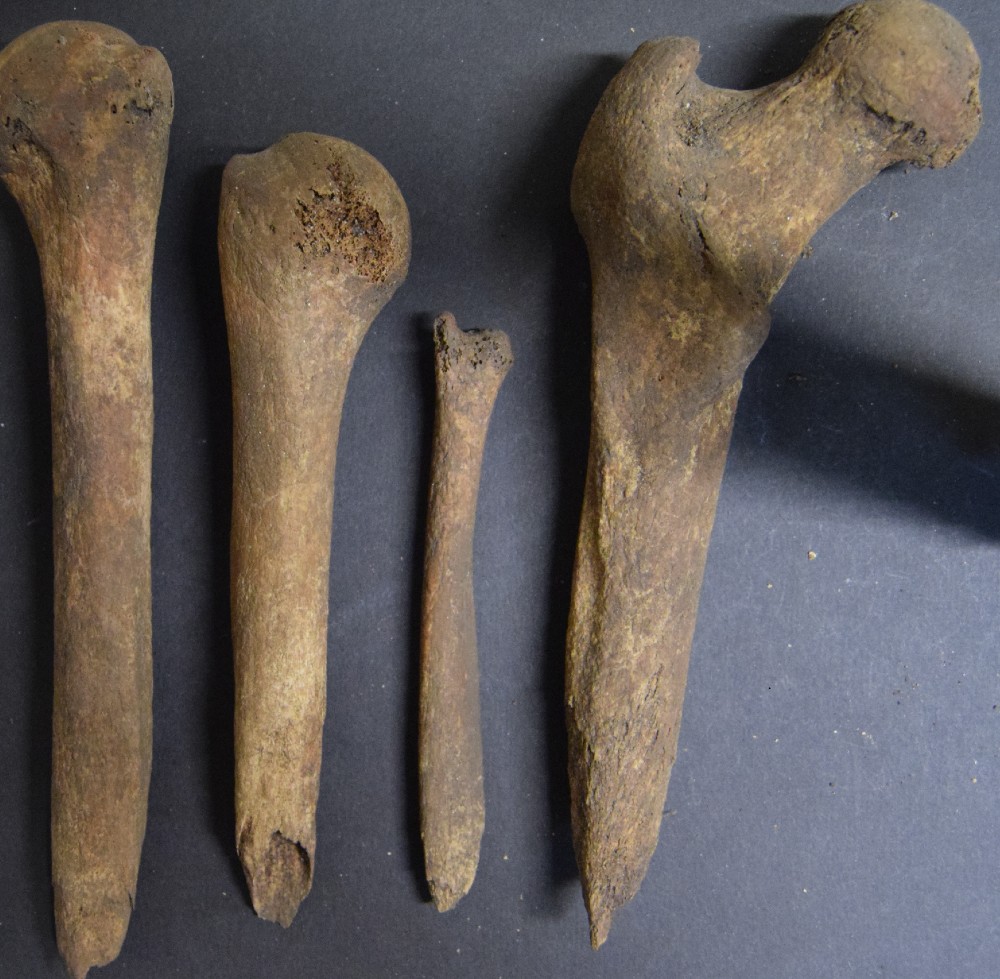
Scientists have uncovered evidence of an Iron Age funerary tradition involving the deliberate removal of human brains and the fashioning of long bones into sharp tools.