
News

The Department of Archaeology at the University of York is now inviting expressions of interest for the Leverhulme Trust Early Career Fellowships.
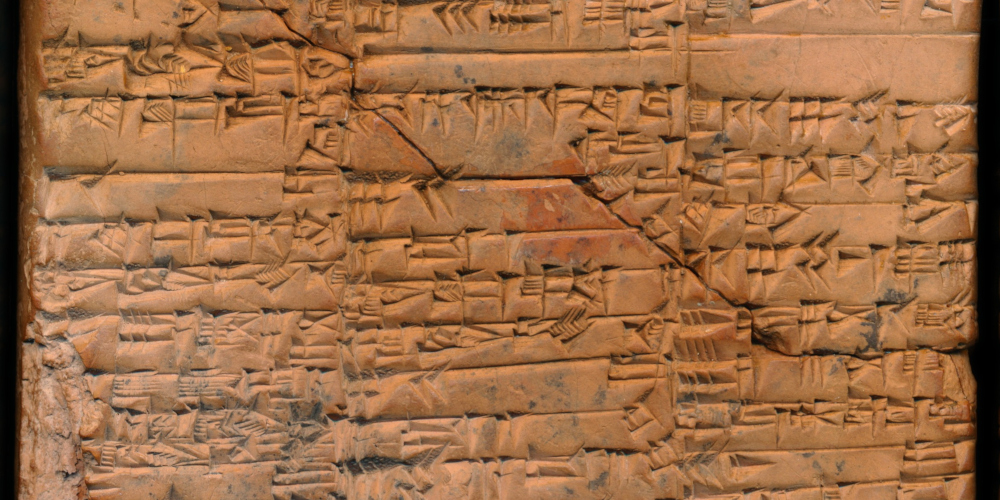
Émilie Pagé-Perron of the Archaeology Data Service is co-author of an Arabic-language introduction to the Cuneiform Digital Library Initiative, published in an Iraqi archaeology journal.
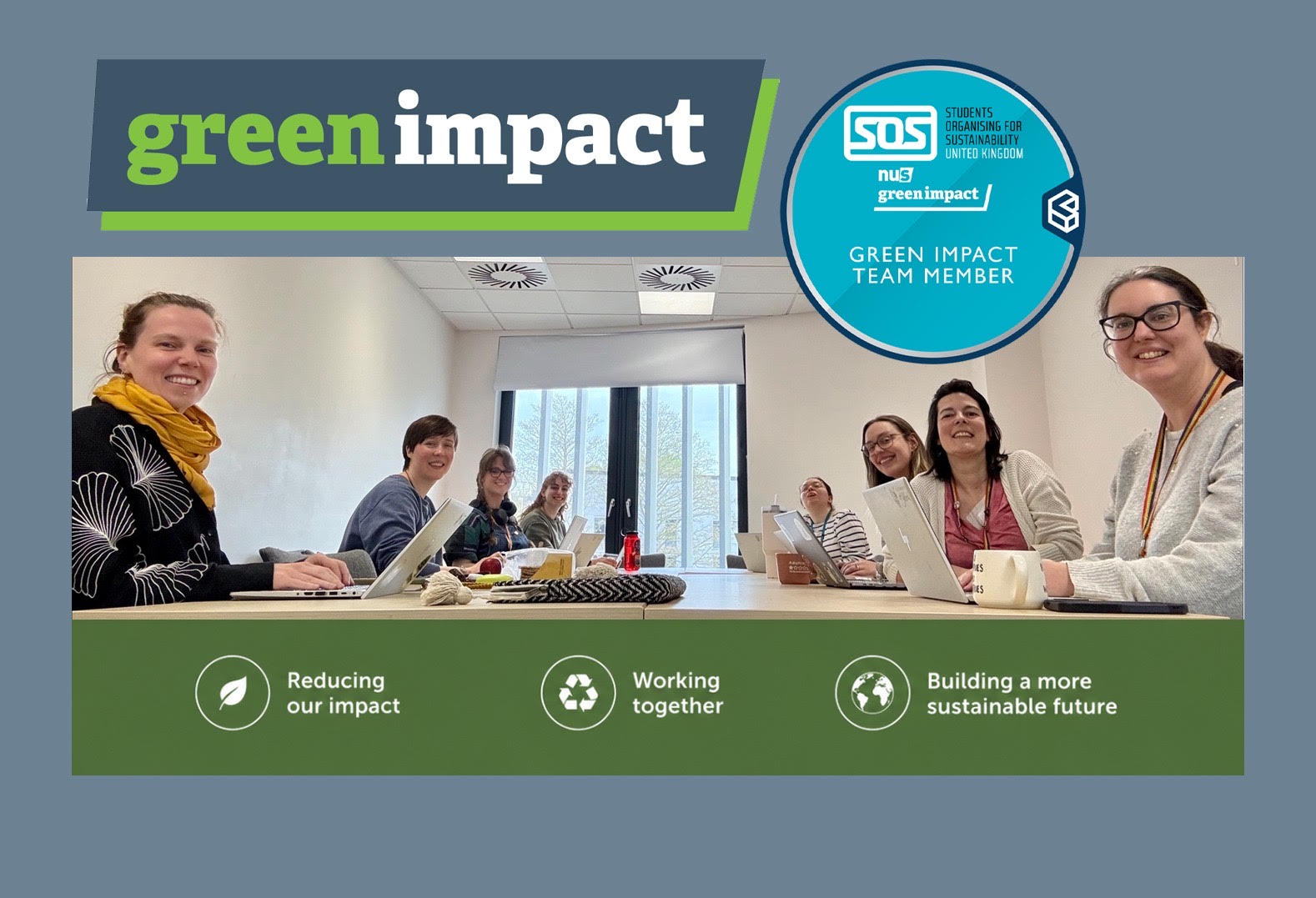
The BioArCh Green Impact team's efforts to reduce the environmental impact of the work carried out in the labs has been recognised through the Green Impact Laboratory Accreditation.
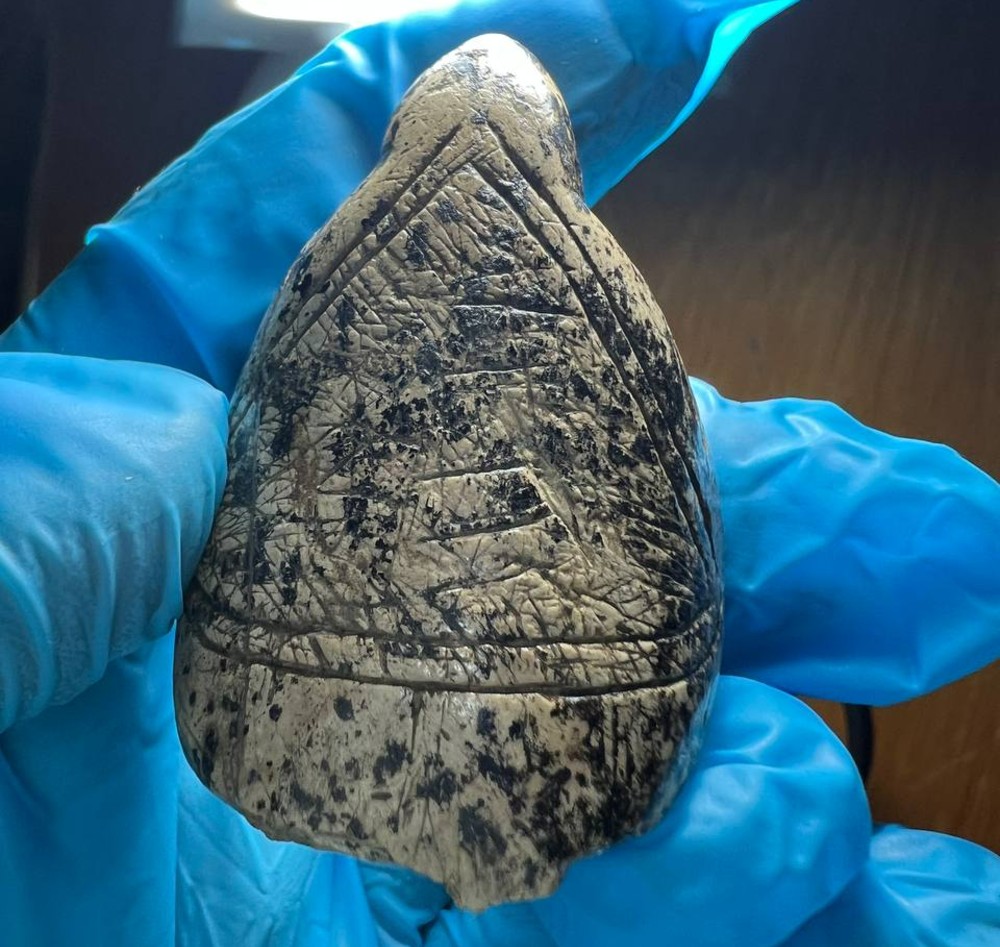
Intricate designs engraved across the surface of 18,000-year-old female figurines carved from mammoth ivory were inspired by the distinctive growth patterns visible in the tusks, a new study has revealed.
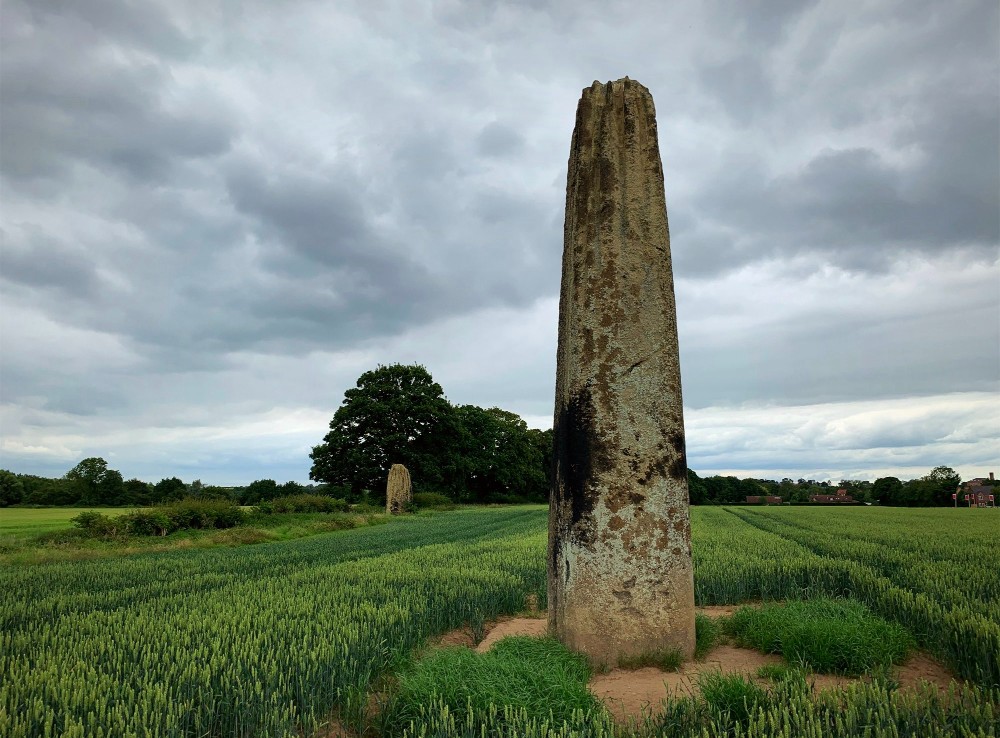
Researchers have shed new light on a series of prehistoric stones in Yorkshire, revealing the 25-tonne structures were hauled 11 miles across land by Neolithic builders.

The results of the 2026 National Student Survey (NSS) have revealed the strengths of the Department of Archaeology for the study of archaeology and forensic and archaeological sciences. We have excelled in ‘Academic support’ and ‘Learning Resources’.
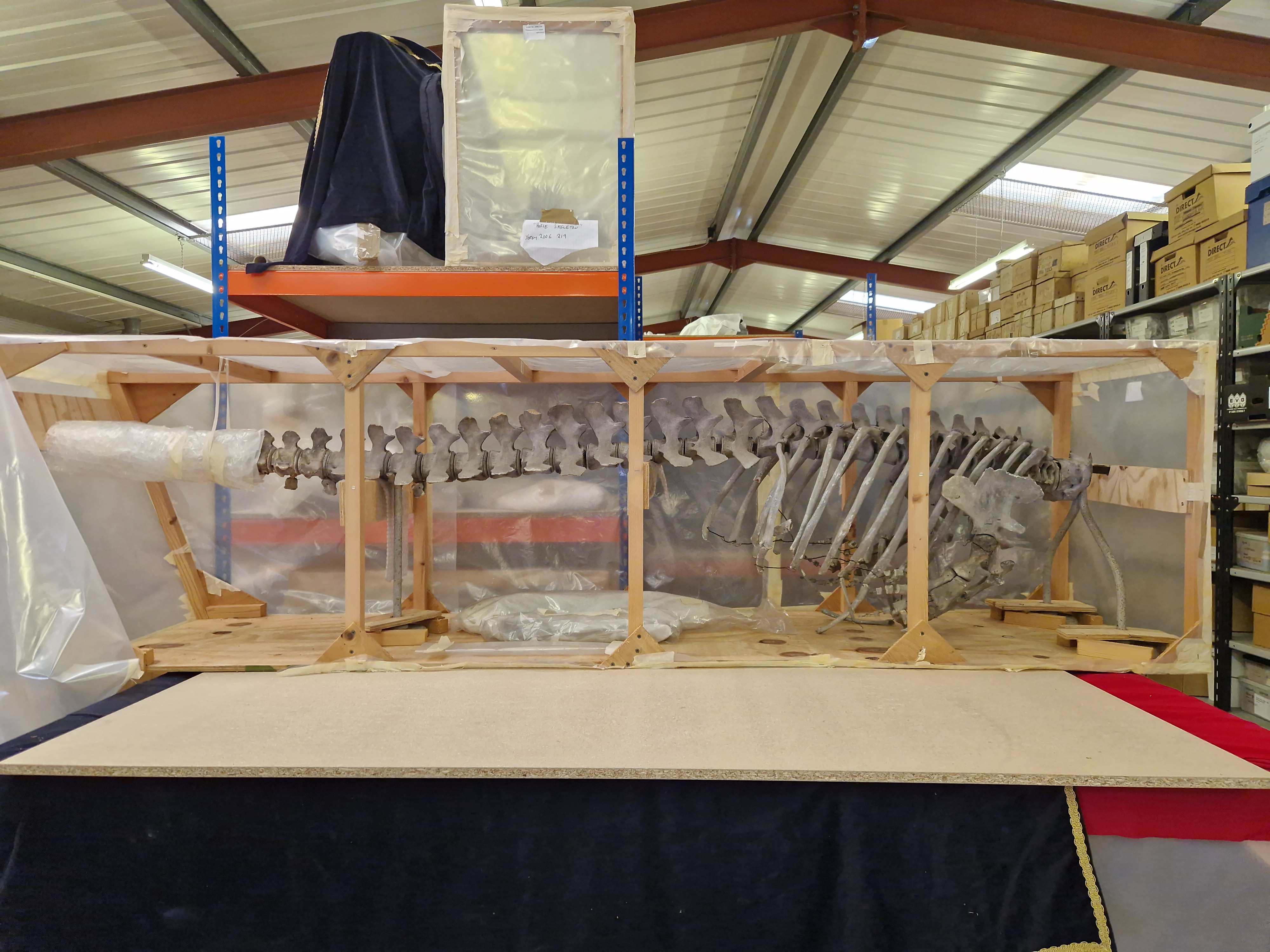
Three projects involving staff at BioArCh have been awarded funding through the Research Infrastructure for Conservation and Heritage Science (RICHeS) Access Fund.
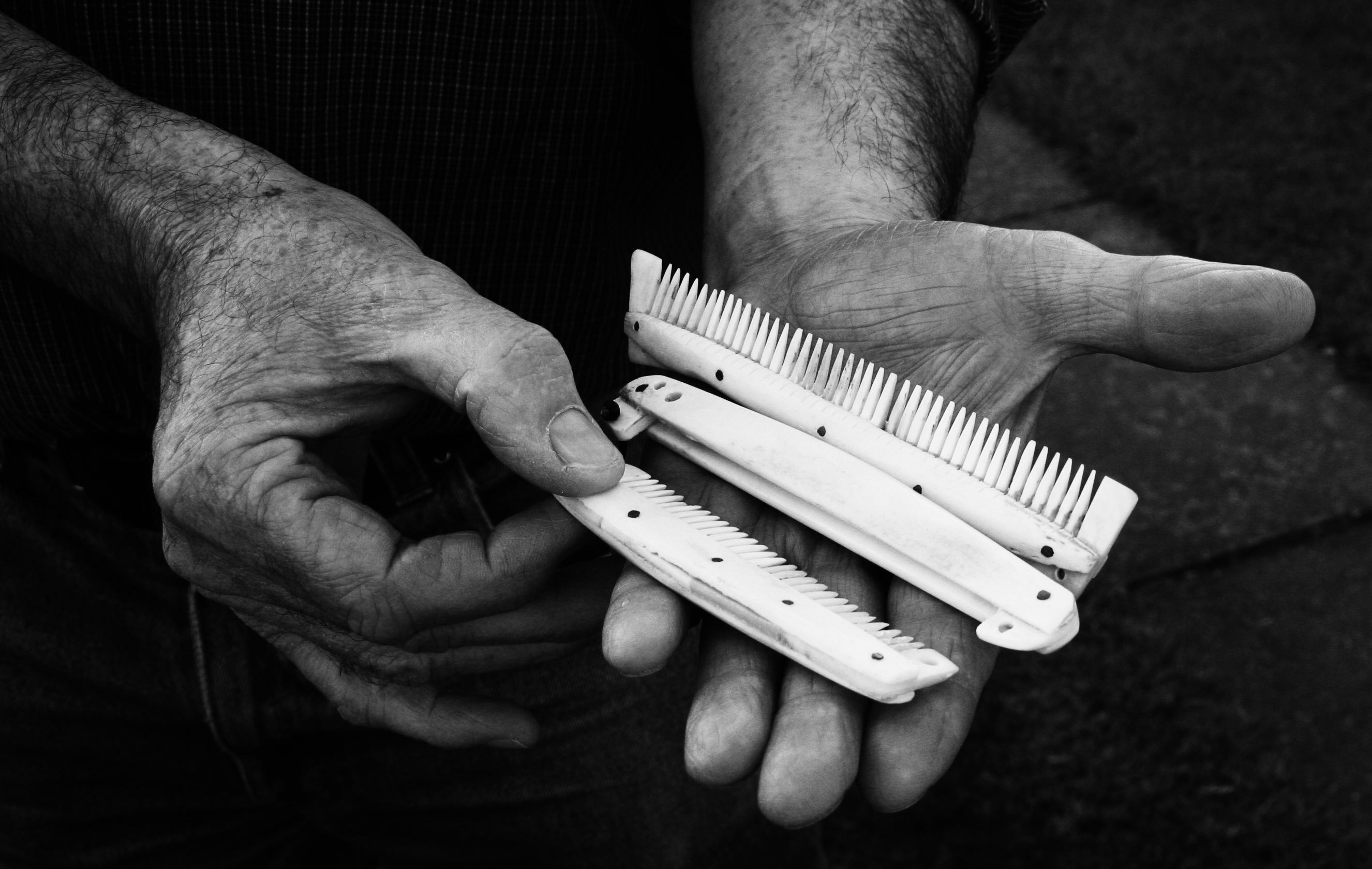
York team to apply bioarchaeological analysis to bone artefacts in largest study of its kind.