Ancient DNA reveals genetic history of medieval Sicily
Posted on Wednesday 24 June 2026
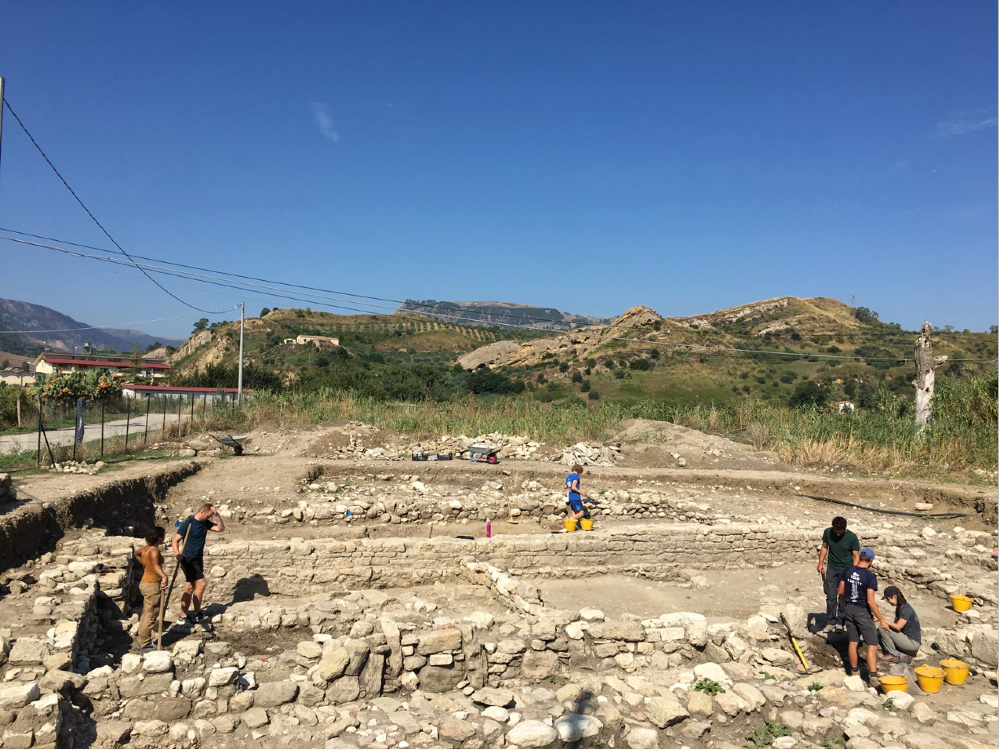
The research, led by Dr Aurore Monnereau from the University of York and published in the journal PLOS One, analysed ancient DNA from 111 individuals excavated from 19 different archaeological sites across Sicily, spanning from the Roman Age to the Late Middle Ages.
The study shows that Sicily's genetic diversity landscape has persisted through conquests, challenging the idea of large-scale population change and instead suggests a certain continuity.
Between the 5th and 15th centuries CE, Sicily was a central Mediterranean hub of trade and conflict, ruled by a succession of major powers, from the Roman and Byzantine Empires, to the Islamic Dynasties, and the Normans and Swabians.
Everyday people
Dr Aurore Monnereau, who completed the work as part of her PhD at the University of York’s Department of Archaeology, said: “While historical records are important to our understanding of the past, they often leave the experiences of ‘everyday’ people in the shadows, capturing major events of the Middle Ages through the lens of their authors.
“Through the analysis of ancient DNA, our study seeks to restore some of those missing voices. By integrating aDNA with written and archaeological evidence, we show that Sicily served as a central crossroads in the highly interconnected medieval world.”
The data also demonstrated that individuals of sub-Saharan African descent were living on the island throughout the medieval period, suggesting ancient, ongoing migrations across the Mediterranean.
Multi-faith society
Dr Nathan Wales, from the University of York’s Department of Archaeology, said: “Contrary to some past ideas, we can see this period shouldn’t be considered to be the “Dark Ages”, but rather a dynamic period with interactions and distant connections.
“From the individuals’ DNA, we see people buried in Christian and Muslim cemeteries had similar ancestries stemming from North Africa and the European and Mediterranean area.”
The researchers highlight that future data from additional Mediterranean archaeological sites will be needed to provide an even more refined understanding of how these ancient populations lived and shifted over time.
Professor Martin Carver, from the University of York’s Department of Archaeology, said: “The study has shed a new light on people who traditionally don’t appear in the historical record, showing Christians and Muslims to have largely lived in prosperous multi-faith societies until the early thirteenth century, when Sicily became part of the Holy Roman Empire.”
Further information
The University of York is a hub for heritage research excellence. Centred in the historic Heslington Hall – the new home of our Humanities Research Centre – our expertise spans from the Middle Ages to the modern day.
By making sense of our past, heritage research provides the essential context we need to tackle today’s social challenges and navigate our collective future. It is a living, breathing part of our identity.