
2025 news
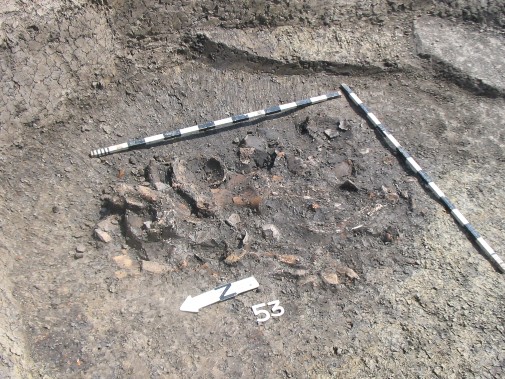
A new archaeological project aims to shed light on how Neolithic rubbish could help understand how Europe’s first farmers adapted to a more settled way of life.
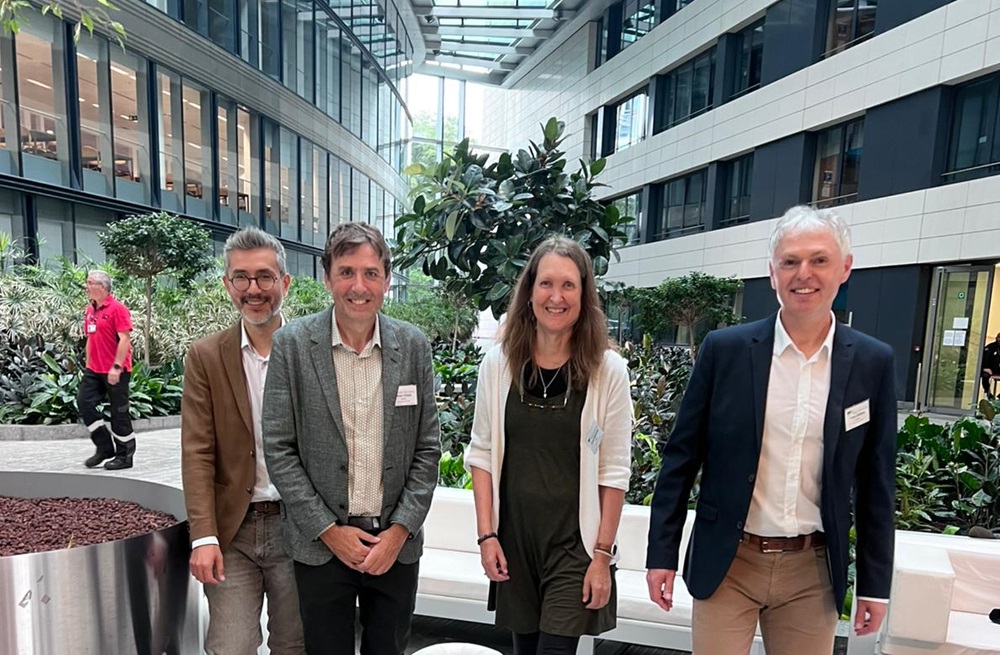
The European Research Council (ERC) has awarded Professor Oliver Craig and colleagues a €10 million Synergy Grant to study hunter-gatherer population dynamics during the Holocene, the current geological period that spans the last 12,000 years.
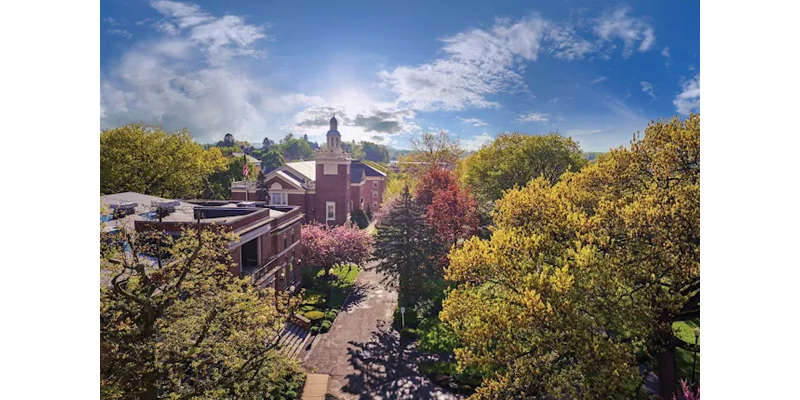
The University of York is pleased to announce a new partnership with Lycoming College in Williamsport, Pennsylvania, creating a new and unprecedented opportunity for high-achieving and well-rounded US students to progress directly into the University of York's renowned postgraduate programs in Archaeology and Environment and Geography, where they can gain the skills and experience they need to tackle present global challenges.
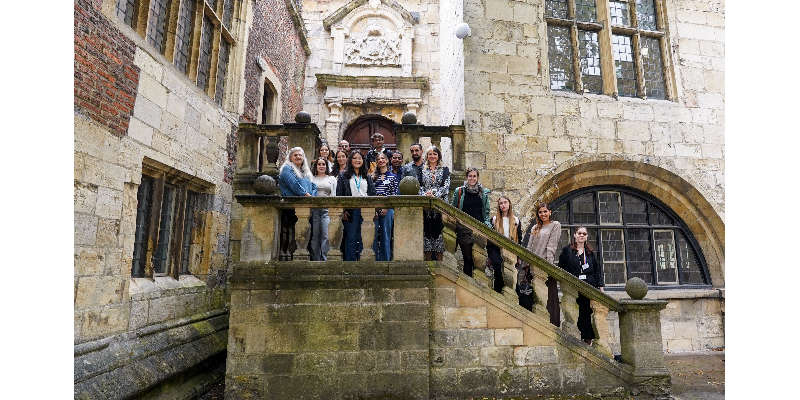
Early Career Researchers from across Europe Trained in Artificial Intelligence.

A new research project is set to transform how we think about ageing - both in the past and today.

It is often seen as the scourge of modern society, littering our highways, byways and beaches. But now a new study argues that modern plastics are also a valuable archive documenting activities and behaviours at a crucial time in our human history.

Study has revealed new insights into Stone Age life and death, showing that stone tools were just as likely to be buried with women and children as with men.

“Window of opportunity” to address heritage concerns of Cambridgeshire rail project, say researchers
A study has shown that the East West Rail project in Cambridgeshire poses a risk to the longstanding relationship between the community and the local environment.
New research into ancient Japanese rice farming suggests that significant technological development does not always mean ‘abandonment’ of cultural practices - particularly culinary traditions.

The results of the 2025 National Student Survey have revealed the strengths of the Department of Archaeology for the study of archaeology and forensic and archaeological sciences.
New research has cast doubts over suggestions an incestuous social elite ruled over the ancient people of Ireland more than 5,000 years ago.
Prehistoric people used a culinary method, similar to slow cooking today, to carefully extract animal teeth to use in decorative crafts, such as pendant-making, archaeologists have shown.
New analysis of the remains of two ‘puppies’ dating back more than 14,000 years ago has shown that they are most likely wolves, and not related to domestic dogs, as previously suggested.

York is ranked 6th in the UK for Archaeology in the latest release of the Complete University Guide league tables (2026).

Archaeology GTA, Makenzie Sorenson, has won the GTA of the Year Excellence Award for 2025.
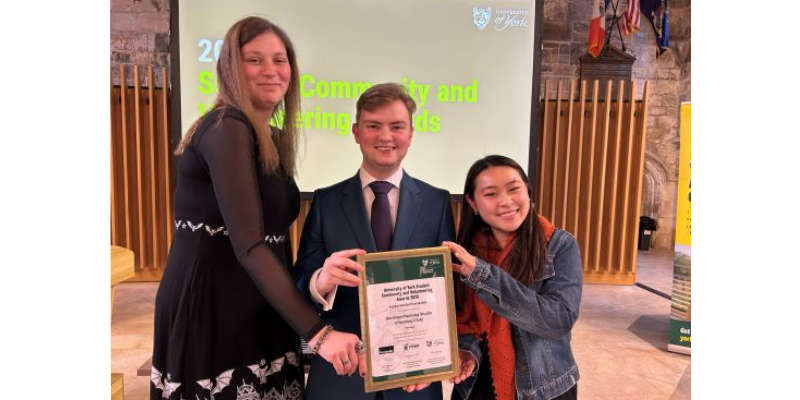
Department Success at University of York Student Community and Volunteering Awards
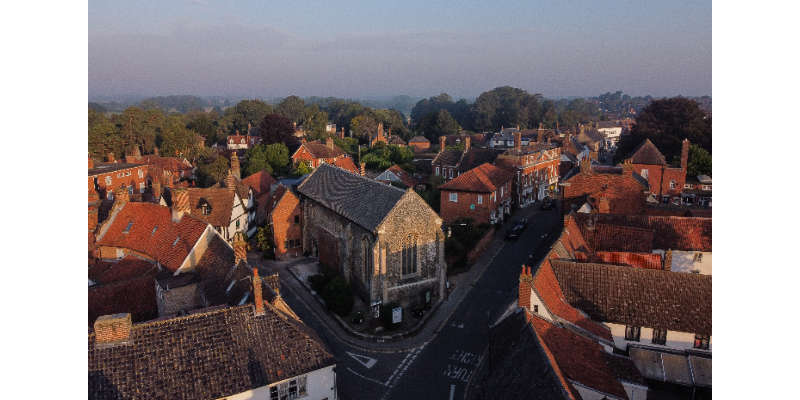
York's award winning Conservation Alumna recognised for work at Becket's Chapel, Wymondham, Norfolk.
York Conservation Alumna wins major Civic Trust Award for work on Becket's Chapel.
Bite marks found on a skeleton discovered in a Roman cemetery in York have revealed the first archaeological evidence of gladiatorial combat between a human and a lion.
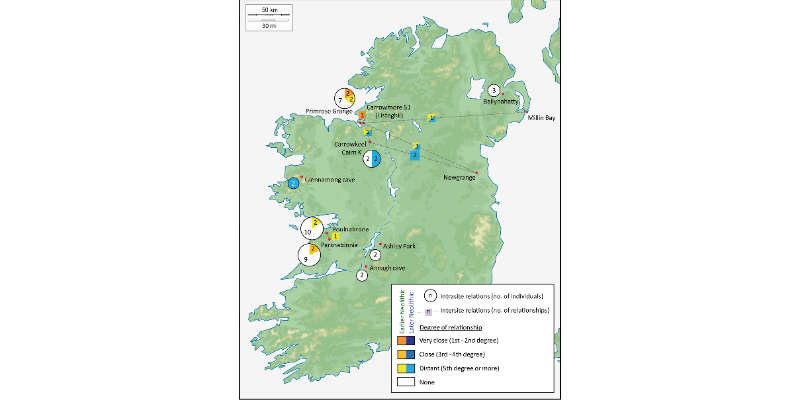
In a major contribution to current debates, a new open access paper in Cambridge Archaeological Journal presents latest perspectives on Neolithic kinship, genetic relatedness and the use of large monuments like Newgrange.
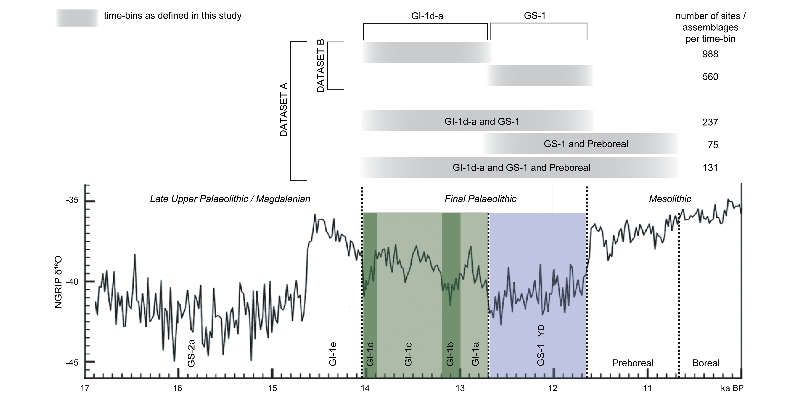
A new study sheds light on how prehistoric hunter-gatherer populations in Europe coped with climate changes over 12,000 years ago.
.jpg)
Archaeology at York placed 5th in the UK and =25th in the world in the latest release of the QS World University Rankings by Subject (2025).
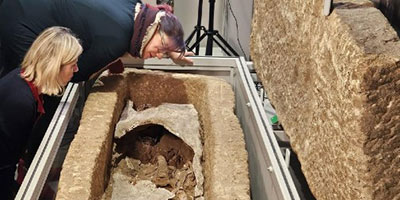
A new £1 million project will investigate the mysterious Roman burial practice of pouring liquid gypsum over the clothed bodies of adults and children laid to rest in stone or lead coffins before burial.
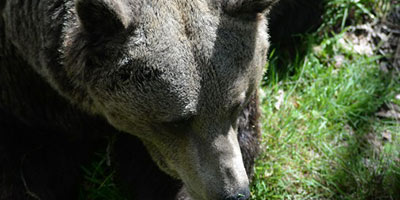
Archaeologists have created a new model to help identify archaeological bear baiting assemblages in England and beyond.
A video series created between YAT and the ChemArch ITN exploring their cutting edge research focused on exploring the ancient world through the lens of chemistry and biology. This video series will help you discover more about the methods, ideas and applications of Chemical Archaeology as described by our very own ChemArch researchers!
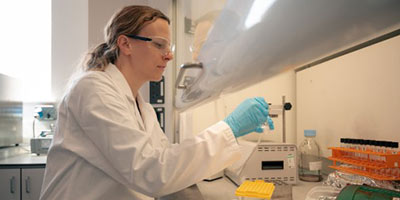
Pre-colonial people in Brazil may have gathered in summer months to feast on migratory fish and share alcoholic drinks, a new study suggests.
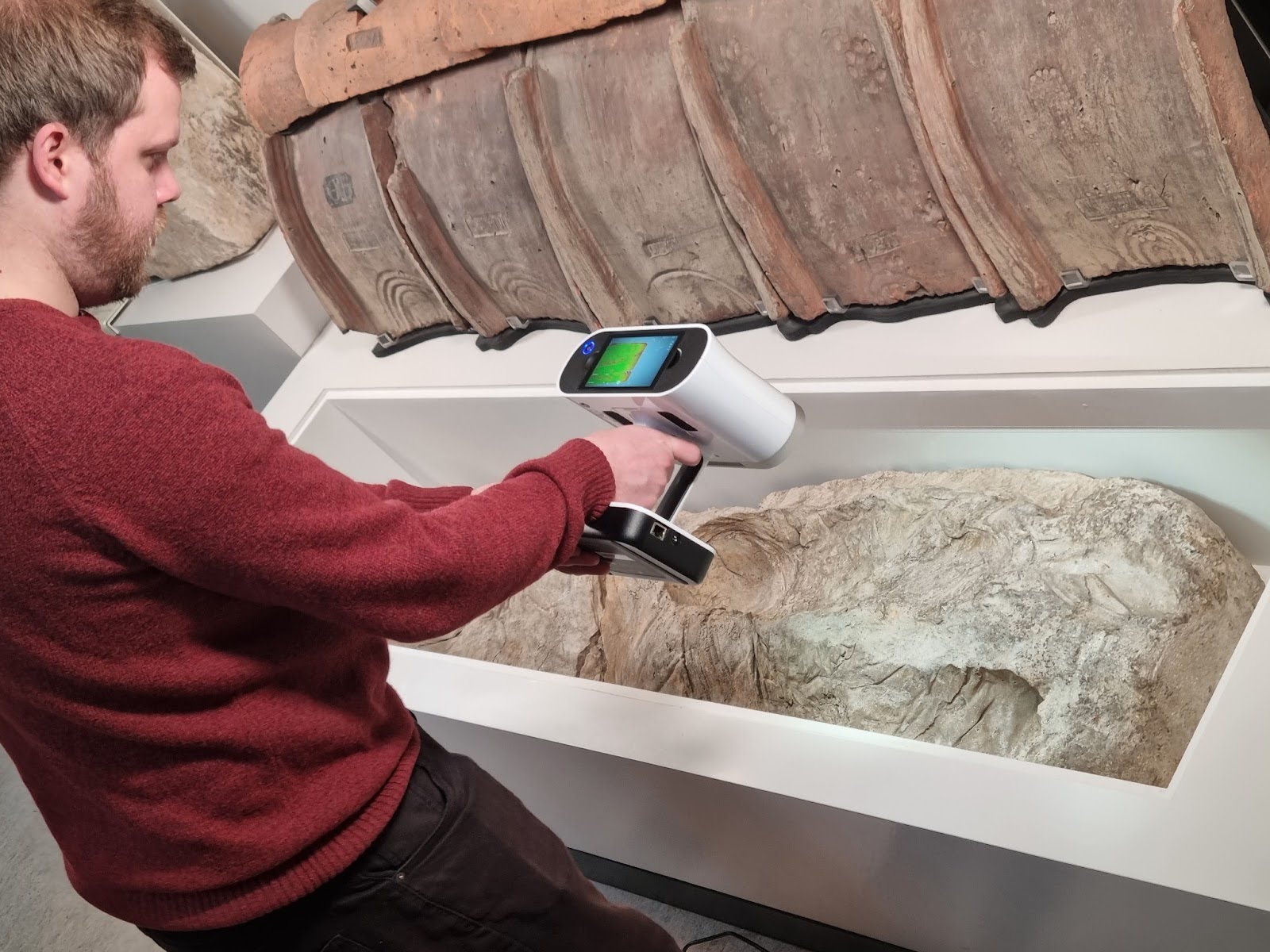
The University is excited to announce plans for the Wolfson Digital Archaeology and Heritage Laboratory, which will be a world leading facility where archaeology and heritage is integrated with digital technologies.
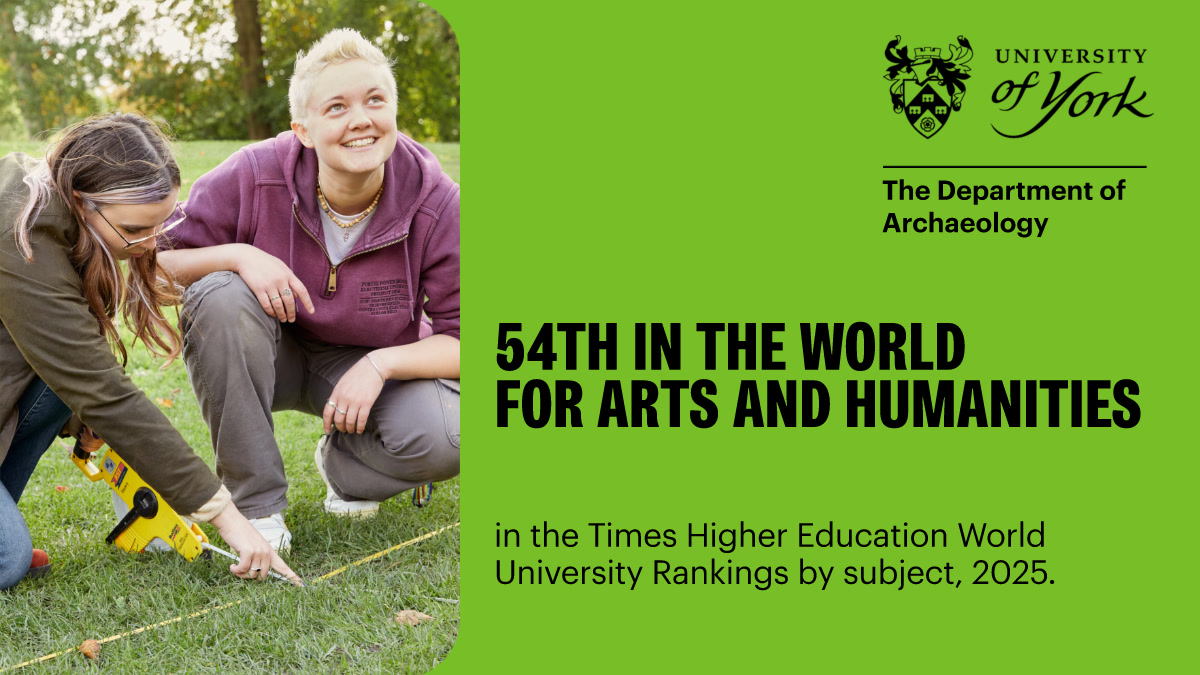
We have been ranked 54th in the world and 11th in the UK for the study of Arts and Humanities in the Times Higher Education (THE) World University Rankings by subject.