Case studies
Read more examples of York research making a difference.

Migrant domestic workers are one of the most vulnerable and invisible groups of workers in the UK. Our participatory video project and associated exhibitions have helped them to articulate their needs to politicians and public audiences.
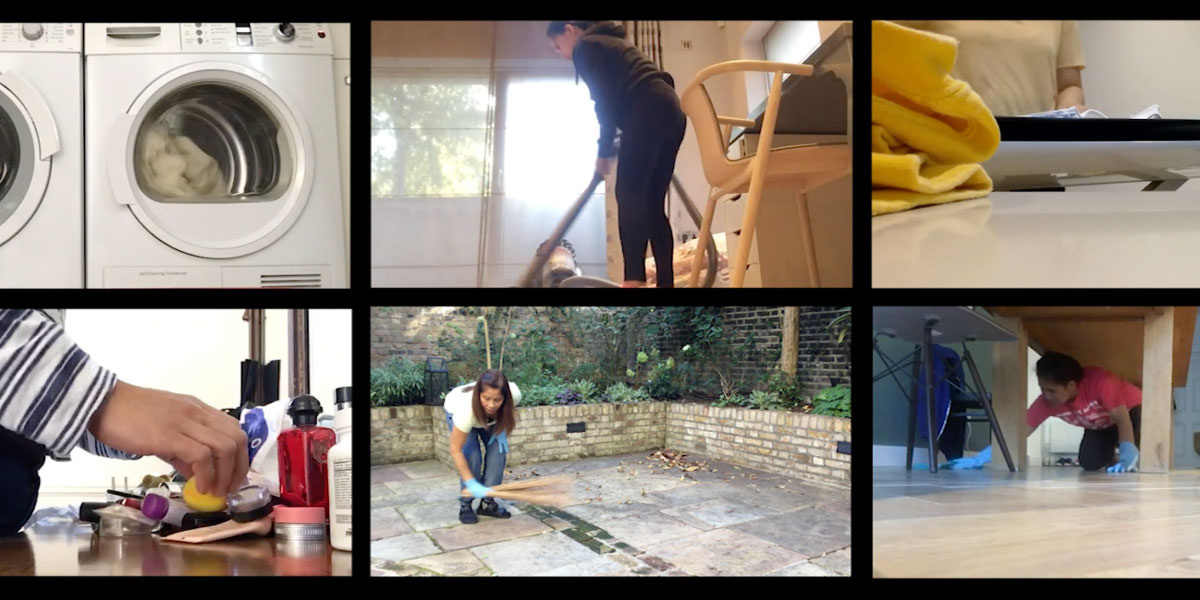
The film is a moving and powerful example of collaboration and co-production which puts the voices and experiences of migrant domestic workers at the centre. It cuts through the rhetoric and assumptions about migration and domestic work to give a glimpse into the desperate human impacts of the clash
Each year the Home Office issues approximately 19,000 visas under its Domestic Workers in Private Households scheme, which allows foreign families to bring domestic workers to the UK.
Migrant domestic workers (MDWs) live and work in environments where class relations are often enmeshed with gendered and racialised structures of oppression. They experience greater exploitation than workers in most other occupations. They are subject to long working hours and are often paid below the minimum wage. They also face verbal, physical and sexual abuse.
The problems of MDWs are compounded by their legal precarity, since the government introduced restrictions in 2012, which removed the right to renew their visas. MDWs face difficulties in articulating their social and political will and struggle to participate in public forums.
In collaboration with The Voice of Domestic Workers (a grassroots campaigning and advocacy organisation in London), and a filmmaker from Goldsmiths, she ran a 12-week series of participatory video workshops for 12 MDWs. Together they produced a film, which offers a glimpse into the everyday work and life of MDWs.
The co-produced film Our Journey was screened alongside a self-curated exhibition of the artefacts from the lives of MDWs: family photographs, letters from children back home, employment contracts and work uniforms.
It was shown in a number of galleries and museums including L’etrangère, the Stephen Lawrence Gallery, Cubitt, Unite the Union, Goldsmiths in London and the Norman Rea gallery in York. The exhibitions gave a unique and intimate insight into a hidden world of exploitation, abuse and, ultimately, strength - in solidarity and community. Through exhibitions, MDWs communicated a collective narrative in the public sphere, articulating who they were, what they stood for and what they stood against.
The video has informed a campaign to change visa rules, led by The Voice of Domestic Workers, Unite the Union, Kalayaan and Anti-Slavery in the UK. It has also raised parliamentary awareness of the plight of MDWs.
.jpg)
Joyce Jiang
Research Title: Lecturer in Human Resource Management
Joyce’s main research areas include migrant labour, trade unionism, social movement and participatory art. She specialises in ethnography with a particular focus on the use of art-based methods. She is on the editorial board of the journal Work, Employment and Society.