
Meet the postgraduate researcher: Kimrun Kaur
Posted on Thursday 12 February 2026
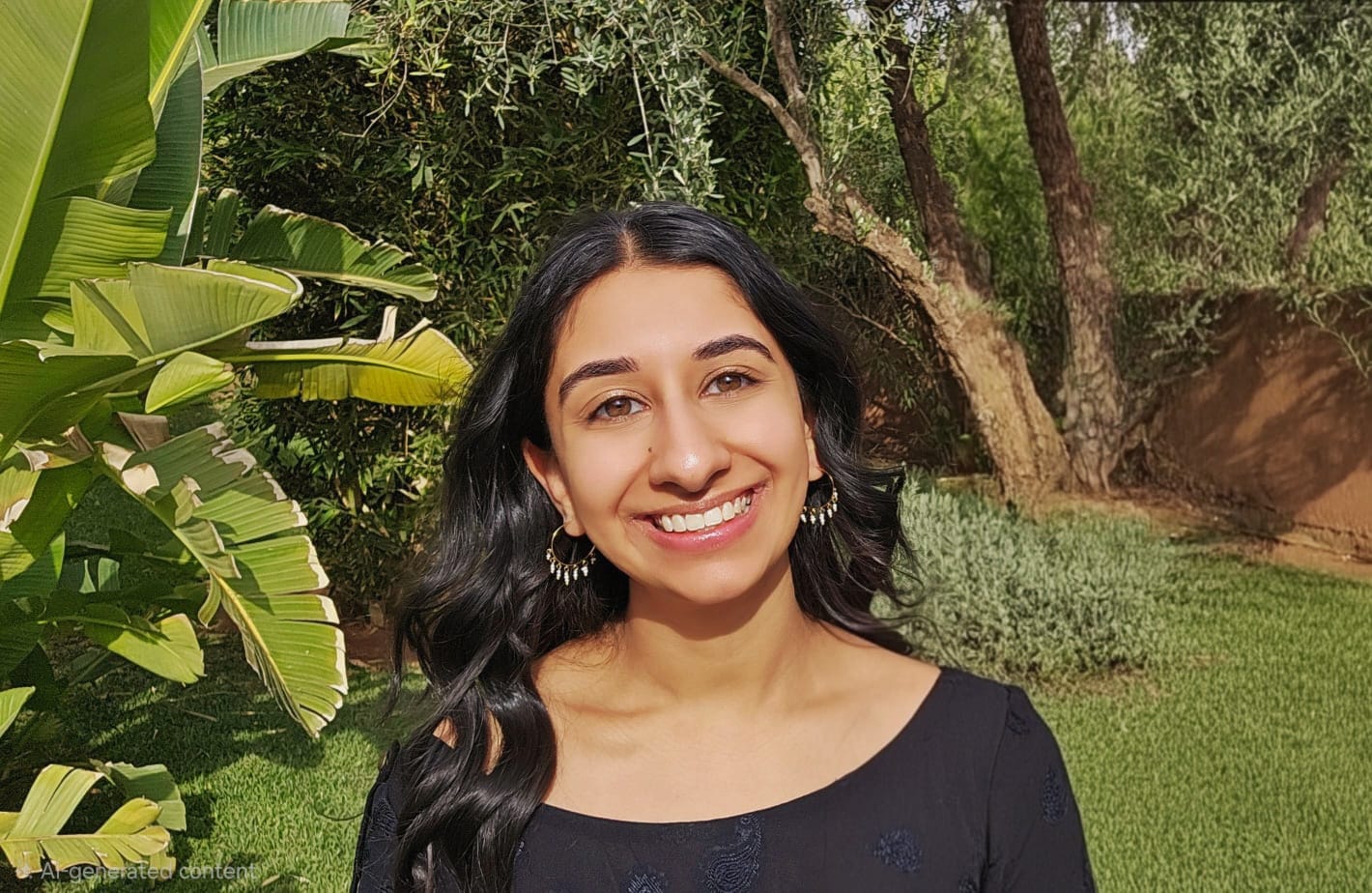
The York Graduate Research School connects more than 2,000 PGRs across all disciplines at York. Here, we spotlight Kimrun: dedicated gardener, early bird and passionate PhD student in the Department of Biology.
We asked Kimrun to talk us through her typical day as a researcher, what she wishes she known before starting her project, and the passion driving her choice in research topic.
What are you researching?
My research focuses on Multiple Myeloma, a type of blood cancer that affects plasma cells in the bone marrow. Although recent advances in treatment have helped people live longer, the disease is still not curable and often returns because the cancer cells are able to adapt and become resistant to therapy. Plasma cells normally produce large amounts of protein, and in myeloma this process becomes disrupted, putting strain on how the cells manage and dispose of proteins. Many current treatments take advantage of this weakness, but they can lose effectiveness over time. My work aims to develop more targeted ways of interfering with this process. In particular, I study a protein called CKS1, which is often found at very high levels in patients with more aggressive disease. By understanding how CKS1 helps myeloma cells survive, my research hopes to contribute to the development of more effective and longer-lasting treatments for patients.
What drew you to this topic?
My interest in this area is both personal and practical. My dad was diagnosed with Multiple Myeloma, which gave me first-hand insight into how deeply the disease affects not just patients, but their families as well. That experience made me want to work on research that could genuinely make a difference for people living with this condition. Multiple Myeloma is still relatively underfunded compared to other cancers, and there is a lot we don’t yet understand about why treatments stop working. Being able to contribute to an area where there is real clinical need is what motivated me to pursue this topic.
What were you doing before?
Before starting my PhD, I worked as a research technician at the University of Leeds in the Healthcare-Associated Infection Research Group. My work focused on collaborative projects with multiple stakeholders investigating Clostridioides difficile infection (CDI), including how certain drugs can trigger the disease, how effective treatments are, and the risk of infection returning after treatment. The data generated from these studies were used to optimise drug dose regimen and identify potential therapeutic targets, directly contributing to a clinical trial application.
If you weren’t doing postgraduate research, what would you be doing instead?
If I weren’t doing a PhD, I think I would still want to work closely with patients and families affected by cancer. I’ve also considered roles in therapy or mental health support, as it’s an area that is often under-resourced but incredibly important. Supporting people through difficult experiences is something I feel strongly about.
What’s on your work desk?
A lot of Post-it notes! I love making lists and find it helps me stay organised, or at least gives the illusion of organisation. My desk is also strategically located next to the snack drawer, which I consider essential lab infrastructure for maintaining energy levels throughout the day. (We'd agree, Kimrun!)
What’s your typical working day?
I’m definitely an early bird. I usually start my commute around 6am and use the train journey to plan my day and send emails before most people are awake. I love being in the lab first thing in the morning, as it’s quiet and a great time to focus. The first job of the day is always checking on my cells and feeding them to make sure they’re happy, and I refer to them as my “babies,” which probably says a lot about how much time I spend with them. Afternoons are usually spent analysing data, writing, and conducting important research into which snacks best sustain productivity, with the answer rarely being the healthy ones.
What do you enjoy most about being a postgraduate researcher?
I really enjoy the possibility of discovering something genuinely new. Having the freedom to shape your own project and take it in directions driven by curiosity is incredibly rewarding. I also love being able to delve deeply into a topic I’m passionate about and constantly learn along the way.
What do you wish you’d known before you started?
I wish I’d known just how non-linear research really is. Things go wrong far more often than they go right, especially at the start, and that can be discouraging. But I’ve learnt that those moments are often where you learn the most; troubleshooting and adapting are just as important as getting results.
If your research had a theme song, what would it be?
“The Scientist” by Coldplay. Mostly for the line “Nobody said it was easy,” which feels like an accurate summary of both lab work and research in general, with lots of starting again, going back to the bench, and trying to figure out where things went wrong.
What do you do to relax?
I love travelling and exploring different cultures whenever I get the chance. At home, I enjoy DIY projects, which give me a satisfying sense of progress outside the lab. I’ve also recently taken up gardening with my husband, something I initially felt strongly encouraged to do but have somehow developed a genuine love for. What started as reluctant participation has turned into me getting oddly invested in the survival of our plants, which suggests that looking after my cells (aka my “babies”) may have prepared me more than I realised.
Share your story
Could you be our next spotlight? Contact our newsletter team at student-communications@york.ac.uk for more information on taking part in upcoming ‘Meet The PGR’ features.