York researchers bring Hollywood-style visual effects within reach of independent filmmakers
Posted on Tuesday 13 October 2026
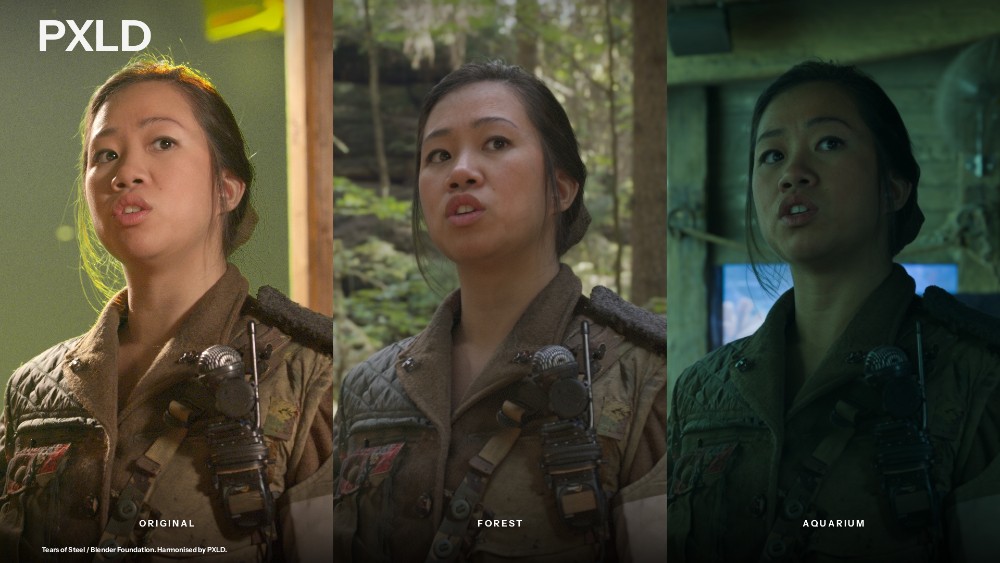
PXLD AI Ltd, born out of research in York’s Department of Computer Science, makes visual effects software for footage shot on anything from an IMAX camera to an iPhone and can realistically place a performer in a new world.
Authentic
The team behind the software say it has the ability to change the lighting, create clean backgrounds and bring every part of a shot together, while leaving the original performance untouched.
Traditionally, green-screen shoots require visual effects artists to painstakingly cut out actors frame-by-frame and manually match lighting, colours, and shadows - a process that can take days and often leaves performers looking pasted in.
While recent generative AI video tools promised a shortcut, they frequently alter actors’ faces and strip directors of creative control. PXLD solves this by keeping the real, authentic performance frame-for-frame while placing the actor inside a virtual world. Whether illuminated by a warming sunset or the neon reflections of a city street, shadows and light naturally adapt to the actor’s movements in minutes rather than months.
Creative
The venture grew out of the team’s extensive experience across creative-technology projects within the University’s School of Arts and Creative Technologies (ACT), which helped shape the practical production challenges.
PXLD’s core technology was subsequently developed after the team came together in the Department of Computer Science, drawing on York’s strong track record of cross-disciplinary innovation and industry partnerships.
The company's commercial journey has been backed by early-stage support through the University of York’s Impact Acceleration Account (IAA) alongside support and £20,000 in follow-on funding from the AI Superconnector scheme.
PXLD says it is now moving into a new phase of R&D following a completed seed funding round.
The company was founded by Dr Will Rowan, James Gardner and Professor Will Smith. Dr Rowan and Mr Gardner were also recently named 2026 Young Entrepreneurs of the Year for North East, Yorkshire and the Humber at the UK StartUp Awards.
Performance
Dr Rowan, CEO and Co-Founder of PXLD AI Ltd, said:“Actors spend years perfecting their craft, and filmmakers use their performance to invite us into whole new worlds. Until now, the technology to build those worlds was either out of reach or swapped the actor for an AI lookalike.
“PXLD solves this. A filmmaker can shoot on top of a York car park and finish that same scene on a New York skyscraper at night, and the performance is still the exact one the actor gave on the day.
“Every glance, micro-expression and emotion is kept, with tools that disappear into the work. We grew out of research here at York, and this investment will put PXLD in the hands of filmmakers worldwide.”
The company say the technology is built for filmmakers, broadcasters, advertisers, content creators and VFX teams.