University of York builds green technology ties with India's Karnataka state
Posted on Friday 23 October 2026
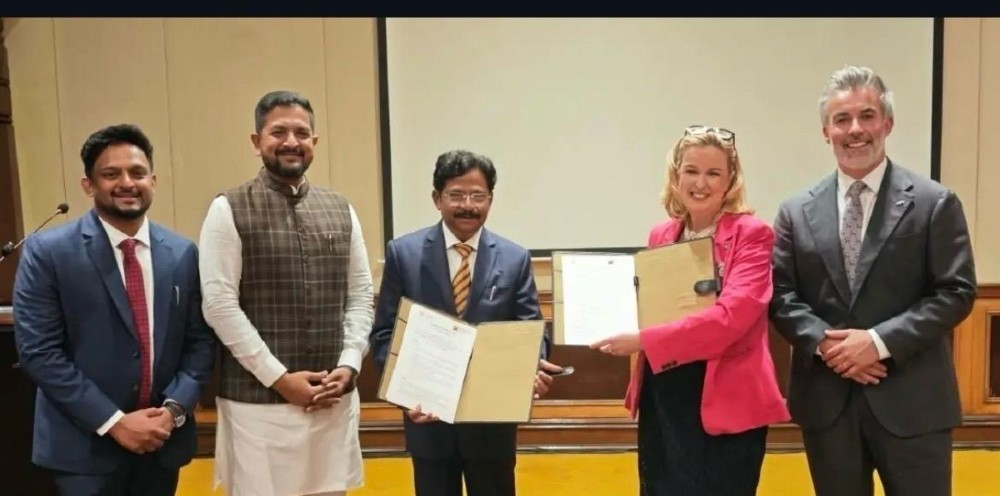
The LoI outlines a framework to explore collaborative opportunities across several high-impact areas, including innovation, entrepreneurship, and startups, as well as joint research in the bioeconomy, clean technology, agri-tech, and digital sectors.
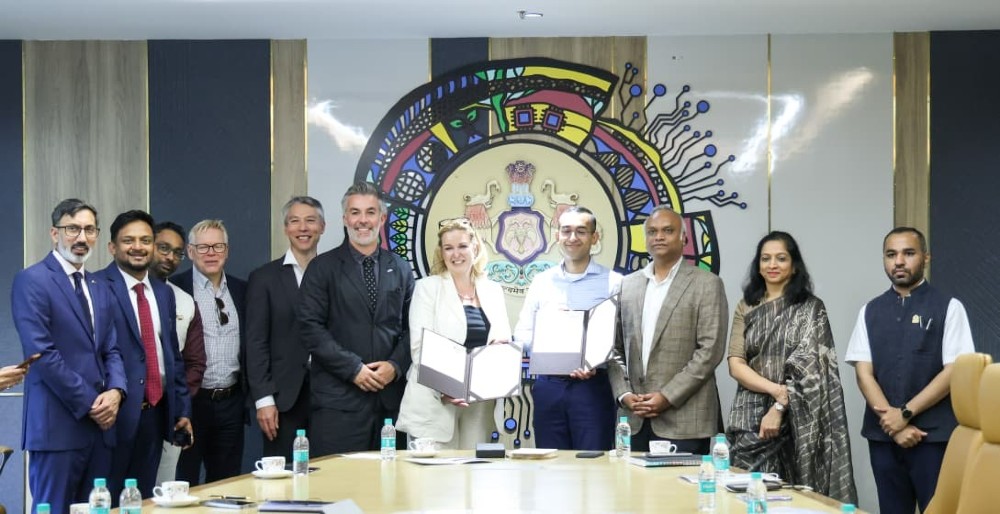
The signing ceremony took place in the presence of the Home Minister of Karnataka Priyank Kharge and David Skaith, Mayor of York and North Yorkshire, and included attendees Joan Concannon, Chief Reputation and Stakeholder Relations Office, University of York; Rohit Kumar, Director of Strategic Partnerships, University of York; Professor James Chong, Head of the Department of Biology, University of York; and Dr Christo Joseph from Garden City University as the University’s local partner institution.
The partnership also aims to build stronger academic and industry links through targeted pilot projects, such as work into anaerobic digestion led by Professor James Chong, Director of the Centre of Excellence for Anaerobic Digestion (CEAD) - a research centre established between the University of York and Yorkshire Water.
Advanced research
Professor James Chong, Director of CEAD and Head of the University of York’s Department of Biology, said: “Bengaluru’s advanced Research and Development hubs, as well as its world-leading technological industries, means that it can make significant strides in realising a greener future.
“By working together we can bring what we have learnt from our Centre of Excellence for Anaerobic Digestion and our contribution to the BioYorkshire programme into a global context, scaling-up what we have learnt from both regions to benefit other fast-growing areas around the world.”
India’s Cabinet recently approved funds to significantly increase compressed biogas output, making waste-to-energy conversion a national priority.
Crucial technology
Anaerobic digestion turns waste materials into renewable energy and nutrient-rich fertiliser and is seen as a crucial technology to increase the sustainability of industry and reduce carbon emissions.
Home Minister of Karnataka, Priyank Kharge, said: “Our Global Innovation Alliance gives us a ready platform to take this forward. The areas of interest on both sides are closely aligned. We will identify a few clear areas of focus and move quickly on joint innovation programmes, Centres of Excellence, Government-to-Government partnerships and focused trials over the next three years, particularly around sustainability, waste management and creating economic value from waste.”
Following the state-level signing, the University and Mayoral team met with leadership at the Bangalore Bioinnovation Centre (BBC), Karnataka’s state-backed bio-innovation hub to discuss the potential for working together in the future.
Significant progress
David Skaith, Mayor of York and North Yorkshire, said: “York and North Yorkshire are leaders in innovation, research and development on the bioeconomy.
“Sharing our work in York and North Yorkshire with leaders and researchers in Bengaluru has made it clear that significant progress can be made by working together.
“Our regions are both committed to finding ways to support innovation in biotechnology, green energy and agri-tech. This agreement will allow us to explore a range of opportunities to bring our regions closer together.”
BioYorkshire is a 10-year green agenda initiative and public-private partnership that turns scientific research into commercial biotechnology. Led by the University of York, it aims to make York and North Yorkshire a leading net-zero bioeconomy cluster.
Dr. Christo Joseph, Director of Strategy and Planning at Garden City University, said: "International partnerships must produce tangible outcomes that touch lives. Through our engagement with Minister Shri Priyank Kharge, and our collaborative work on bio-resources with the University of York, we are actively turning academic vision into practical impact for Karnataka and beyond."