Two York historians awarded prestigious Philip Leverhulme Prizes
Posted on Wednesday 21 October 2026
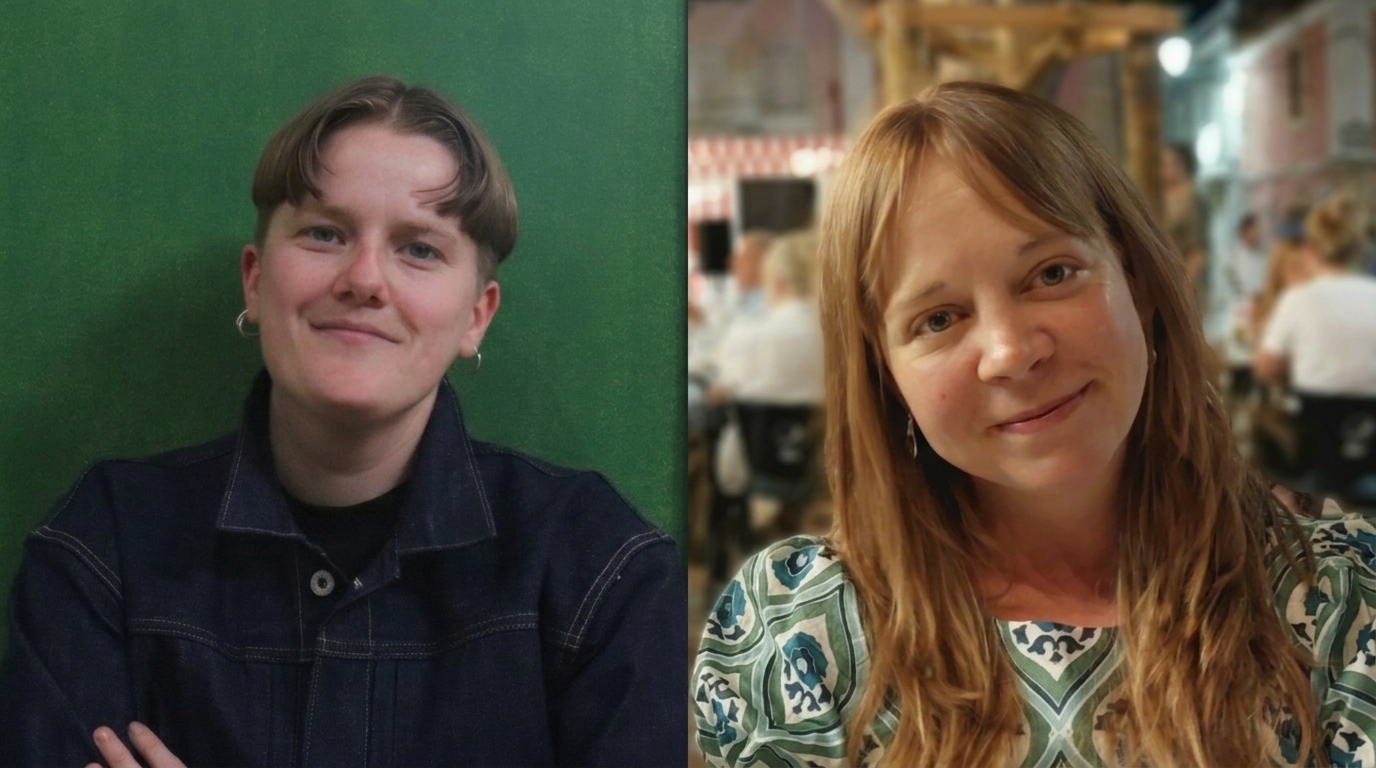
Dr Laura C. Forster and Dr Stephanie Mawson are among just 30 researchers selected across the UK to receive the prestigious accolade, which celebrates early-career academics whose work has already achieved international recognition and demonstrates exceptional future promise.
Complex histories
Each prize is worth £100,000 and can be used to advance the winners' ongoing research initiatives.
Dr Mawson was recognised for her research into the history of early modern Southeast Asia. Her work examines regions where indigenous populations successfully evaded or withdrew from colonial rule, creating "zones of refuge" outside state control.
She said: "Winning the Philip Leverhulme Prize is a huge honour, not only for myself but also because it will help the field of early modern Southeast Asian history, which despite being so central to world history has for so long been understudied.
"These complex histories of resistance and persistence not only challenge narratives of colonial domination, but profoundly continue to shape the region today.
"I aim to use the prize to deepen connections with local scholars and communities in the Philippines and Indonesia, to amplify perspectives from across eastern Island Southeast Asia by elevating historical knowledge that remains local and specific."
Transnational activism
Dr Forster was awarded the prize for her influential work on the history of political ideas, cultures, and communities, with a particular focus on intimacy, friendship, and transnational activism in Modern Britain and Europe.
She said: "Winning the Philip Leverhulme Prize is an enormous privilege, and I am endlessly grateful to the friends, colleagues, and collaborators who have shaped my work.
"The prize will give me the time and space to develop two major projects exploring the intimate and embodied means through which people develop forms of intellectual community in modern Britain. The first, Everyday Workshops of Democracy, examines how democratic participation is built in everyday spaces - from anarchist cafés to queer community centres.
“The second, Clutch, investigates the history of bird egg collecting in modern Britain, tracing its evolution from a Victorian elite pursuit to a marginalised working-class subculture to reveal broader truths about class, empire, competing forms of knowledge, and our connection to the natural world."
Support and opportunity
Professor Oleg Benesch, Head of the Department of History, said: “We are thrilled that the ground-breaking work being done by our colleagues has been recognized through these prizes.
“Dr Forster and Dr Mawson are part of a fantastic group of early-career historians here at York, and their projects also reflect the great diversity of research across the Department of History. We are grateful to the Trust for providing this support and opportunity."
Professor Anna Vignoles, Director of the Leverhulme Trust, said: "For a quarter of a century, this scheme has attracted extraordinarily high-calibre researchers, and selecting only thirty winners is always challenging. We are extremely proud to support these researchers through the next stage of their careers."
Further information
- Read more about the Department of History at the University of York.
- Discover more about the Leverhulme Trust and the 2026 Philip Leverhulme Prizes.