York and Bengaluru to tackle challenges of turning waste into clean energy
Posted on Wednesday 21 October 2026
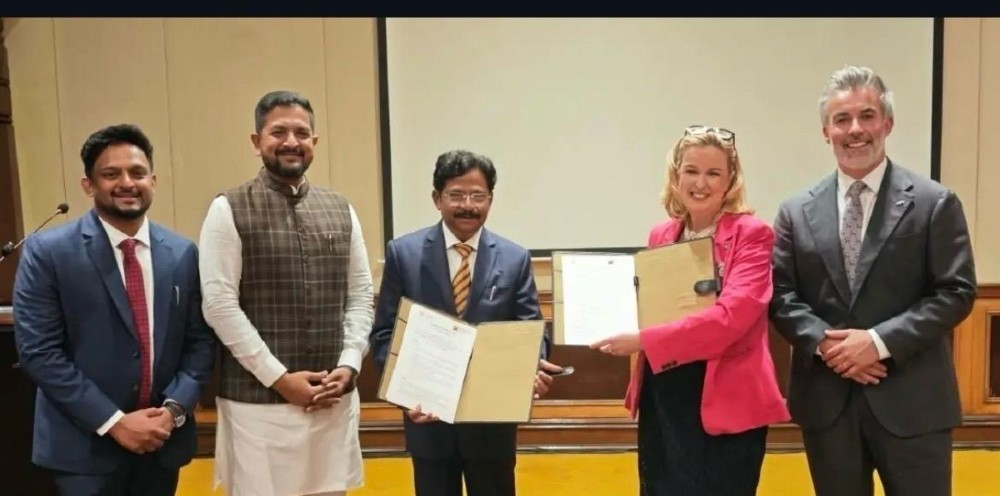
The MoU, signed at an event at Garden City University's Hoskote campus in Bengaluru, sets out the ambition to accelerate research into green technology and sustainable agriculture.
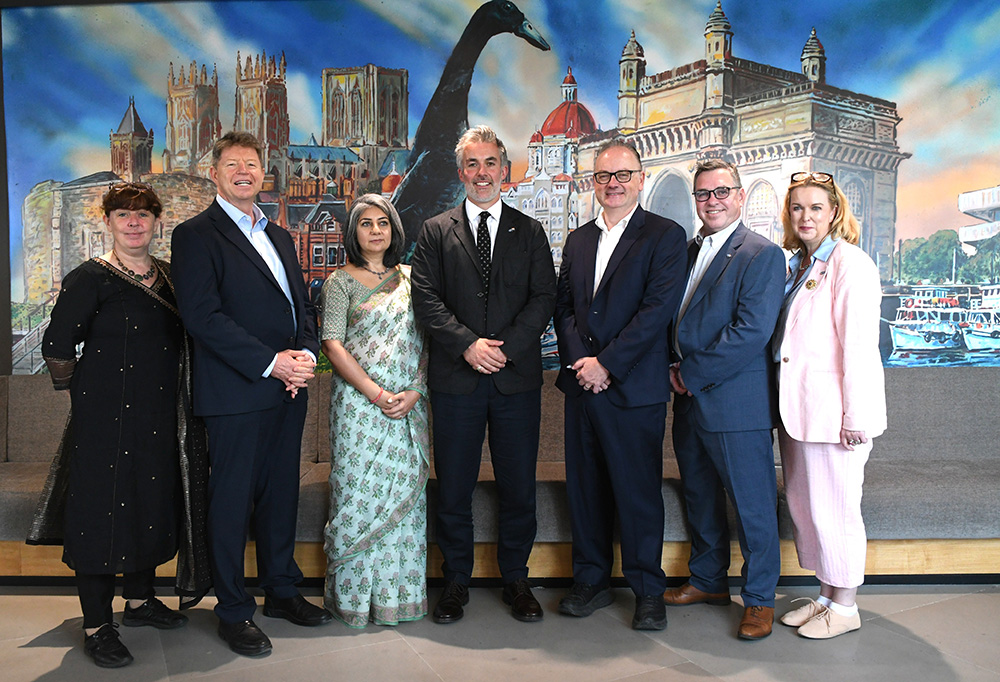
The signing was overseen by the Mayor of York and North Yorkshire, David Skaith during his participation in the Great North trade mission to India.
The new MoU sets out the intent to begin a pilot study focused on anaerobic digestion and waste recovery systems, led by Professor James Chong, Director of the Centre of Excellence for Anaerobic Digestion (CEAD) - a research centre established between the University of York and Yorkshire Water.
Renewable energy
Anaerobic digestion turns waste materials into renewable energy and nutrient-rich fertiliser and is seen as a crucial technology to increase the sustainability of industry and reduce carbon emissions.
The new project will create technologies that are optimised for their location, making them suitable for both British and Indian environments, and test them to recover more energy from waste, such as food waste, wastewaters, and animal slurries.
York and North Yorkshire Combined Authority (YNYCA) aims to use research from the trial to support its broader strategy to become a carbon-negative region.
Shared challenge
Professor James Chong, Director of CEAD and Head of the University of York’s Department of Biology, said: "Turning waste into energy is a shared challenge for Yorkshire and for fast-growing regions like Karnataka.
“Our BioYorkshire initiative in the UK, alongside partners in Bengaluru, can work together to set up a real-world testing facility, providing us with a comparison of these challenges across two countries.
“This should then give us evidence on how well anaerobic digestion technologies perform and what they cost, giving businesses, governments, and investors in both countries the confidence to scale-up clean energy solutions."
Civic engagement
Partners will work to expand high-growth sectors, including agri-tech and clean energy, whilst establishing more regular engagement between civic leaders, industry and academics in both regions.
GCU in Bengaluru has recently opened a new campus at Hoskote to the east of the city, where the pilot study will be hosted, and the University will support York experts in exploring the wider applications of anaerobic digestion research in Karnataka.
Dr Joseph V.G., Chancellor of Garden City University, said: “Waste management is a major challenge in India and across the globe, and finding sustainable solutions is a top priority. By leveraging the University of York’s pioneering research into anaerobic digestion, we aim to provide practical solutions for converting waste into clean energy.”
BioYorkshire
The pilot study will build on the work of the Centre of Excellence for Anaerobic Digestion, which forms part of the BioYorkshire programme, an initiative that aims to create jobs and boost the regional economy through green innovation.
David Skaith, Mayor of York and North Yorkshire said: “How we manage waste is a huge challenge around the world and I am proud to support the University of York’s pioneering work to tackle that.
“More than 10% of the UK's bioeconomy workforce is based in York and North Yorkshire, with thousands of businesses focused on agricultural technology to improve our environment.
“The work to connect world-leading knowledge from Bengaluru with the University of York’s advanced research will help to scale-up solutions to support our shared vision of a more sustainable future.”