York researchers behind new map promoting no and low alcohol options across the City
Posted on Friday 12 December 2025
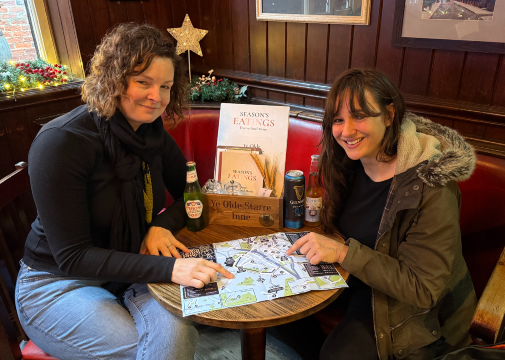
The team behind the NoLo (no and low alcohol) Map say it is a timely guide for the festive season and Dry January, when people may not choose to drink but still want to socialise and visit venues and support the hospitality industry.
Inclusive environments
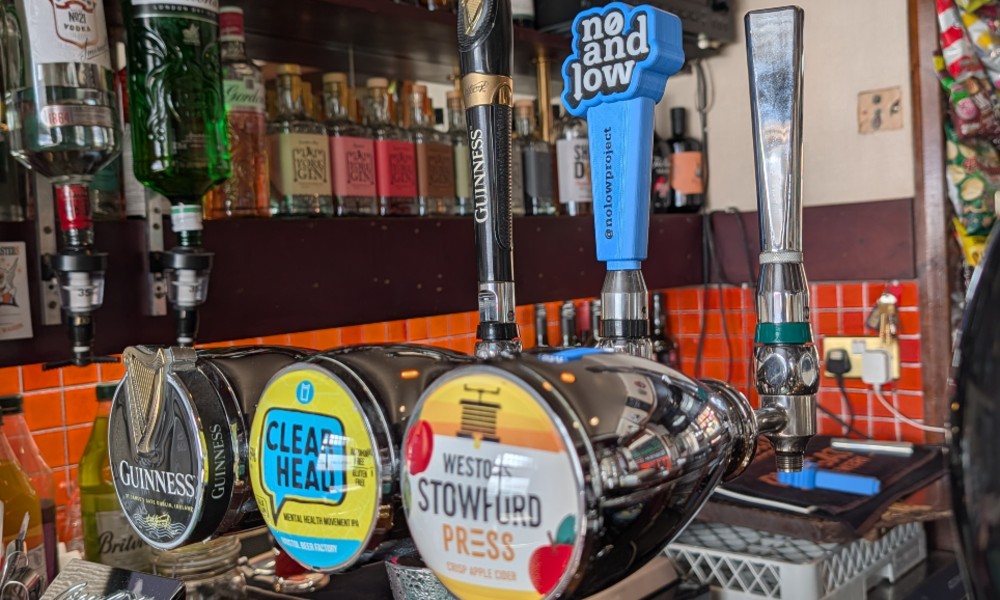
The project, led by the University of York’s School for Business and Society in collaboration with Anglia Ruskin University, University College Cork and York St John University, aims to boost the visibility and sale of NoLo options across the city and create more inclusive environments.
Initially launched at the CAMRA beer festival in York in September, the project has gone from strength to strength, with more than 32 venues now participating in the scheme and offering no and low alcohol options.
The NoLo Map of York is set to be distributed on12 December, ensuring it is available in time for people seeking more drinking options during end-of-year celebrations and in the new year.
Sober stroll
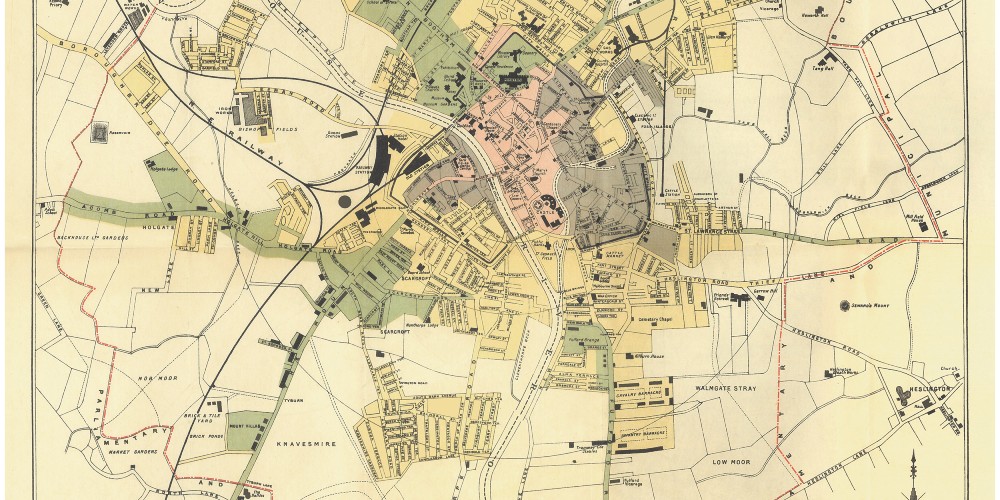
The map, which was designed by York St John University student Sam Armstrong, goes beyond simple venue listings and includes three suggested recreational routes: a “Sober Stroll”, “York Wall Walk” and a “Sober Cycle” designed for both residents and visitors. These routes provide fun, sober-friendly activities to support people participating in Dry January or simply adopting a healthier lifestyle while still supporting local venues.
Dr Nadine Waehning, Senior Lecturer in Marketing at the University of York, said: “The launch of the York map, complete with the Sober Stroll, York Wall Walk and Sober Cycle, will make it incredibly easy for people to find these choices and enjoy a great night out with or without alcohol, supporting both their health goals and local businesses.
“Our research shows that NoLo drinks can support public health goals without financial downsides for pubs.”
The wider project, which involved developing free point-of-sale (POS) materials and guides for publicans in collaboration with the City of York Council, is already seeing rapid adoption.
Co-project lead, Professor Victoria Wells, Professor of Sustainable Management, said: “With more consumers looking for no and low alcohol products it’s great to be able to launch a map and materials that can help them be more visible and accessible. The new map offers a great way for the public to discover the diverse NoLo offering in York while supporting hospitality venues.”
The initiative is also expanding geographically, with North East Lincolnshire Council launching its own No and Low project.
Healthier lifestyles
Sarah Lumley, Public Health Programme Manager at North East Lincolnshire Council, said: “We wanted to be part of this project because it’s a positive way to encourage healthier choices and show that enjoying a social occasion doesn’t have to mean drinking alcohol. It aligns with our commitment to wellbeing in the community, and gives us the chance to highlight inclusive options that everyone can enjoy.
Gabrielle Dunn, Public Health Officer at North East Lincolnshire Council, added: “By promoting no and low alcohol alternatives, we’re helping to reduce barriers for those who choose not to drink, while also supporting healthier lifestyles across North East Lincolnshire.
“It’s about creating a culture where people feel empowered to make choices that suit them, without missing out on the social experience.”
Further information
The map can be found here: https://acrobat.adobe.com/id/urn:aaid:sc:EU:20af1df5-7f6e-4923-9536-85eadde22515?viewer!megaVerb=group-discover
Explore the no and low alcohol consumption microsite: https://www.york.ac.uk/business-society/research/marketing-international-business-entrepreneurship/exploring-no-and-low-alcohol-consumption/