Scientists warn key climate battle is happening beneath our feet
Posted on Thursday 28 May 2026
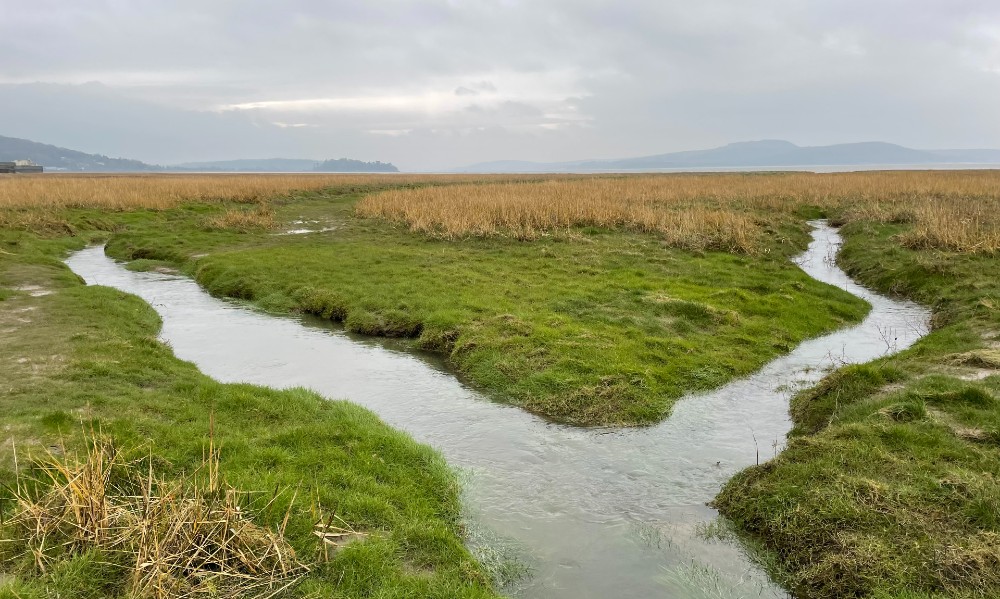
Peatlands, which include bogs, fens, and swamp forests, only cover 3% of the Earth’s land, but store double the carbon of all the world’s forests combined.
The international team of scientists, including experts from the University of York and Royal Holloway University of London, have now developed a ‘global road map’ to help develop understanding of these complex systems, and argue the points they identified should be central to policies aimed at tackling climate change.
The study, published in Communications Earth & Environment, involved 467 experts across 54 countries, and surveyed scientists to narrow down the critical questions that need to be asked in order to understand exactly how much pressure these ‘carbon vaults’ can take before they burst.
Alarming rates
Professor Robert Marchant, from the University of York’s Department of Environment and Geography, said: “We know that when peat is healthy, it acts like a sink, pulling carbon from the air, but when it is drained through farming or heatwaves, it exhales carbon at an alarming rate.
“There is an increasing urgency to understand when this tipping point occurs. We now know that the ‘just add water’ solution is far too simplistic for the sophisticated biology of peatlands, and could in fact cause gases far more dangerous than carbon dioxide to be released.”
The new study identifies 50 critical questions scientists need in order to address this issue, including locating and mapping out peat deposits in the Arctic and Tropics before they are destroyed by climate change.
Milestone
Another milestone would be to understand why some bogs survive droughts and others don’t, and to use satellites and machine learning to ‘see’ through the mud and monitor carbon levels in real time.
Scientists also highlight the importance of community knowledge of the land, and argue that this must be included in strategies on managing peatlands accurately and fairly.
Dr Alice Milner, Associate Professor at Royal Holloway University of London, said: “Peatlands are increasingly recognised as critical ecosystems for climate action, but we still don’t have all the answers we need to manage them effectively.
“By identifying the most urgent research questions, this work helps focus global effort and allows us to ensure future sustainability of global peatlands.”