University of York and Bangor University awarded £8m project to support children's literacy in Wales
Posted on Tuesday 14 October 2025
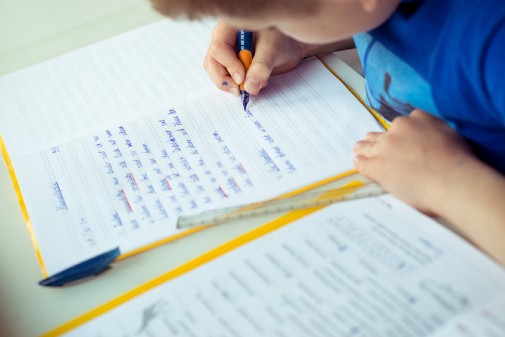
Funded by the Welsh Government, the new Centre for the Advancement of Literacy aims to bring nationwide improvements for all young people in Wales aged 3-16.
The project is initially set to reach over 3,000 pupils in more than 240 schools across Wales, with the long-term goal of improving the language and literacy skills of every child in the country.
The centre will be led by Bangor University in a UK-wide collaboration with the University of York, Oxford Education & Assessment, Swansea University, University College London, and Book Trust Cymru. It will unite and scale up successful previous projects from the partner institutions, creating new, fully bilingual programmes and materials in Welsh and English.
Resources for educators
The University of York team will spearhead the development and delivery of professional learning materials on literacy development and the teaching of literacy. These resources will be created for educators in primary and secondary schools, as well as for those in initial teacher education.
Dr Cameron Downing, a Lecturer in the Department of Education at the University of York, will lead the University's contribution.
Break down barriers
Dr Downing said: “As a university for public good, a core part of our mission is to break down barriers to opportunity and help close attainment gaps. This project is an exciting opportunity to work with colleagues at Bangor University and our partners to make a genuine national change and improve literacy outcomes for all children and young people in Wales.
"We hope educators across Wales will benefit from new bilingual professional learning resources, classroom programmes, and a suite of accessible assessment tools, leading to profound benefits for young people for years to come.”
The main aims of the project, called CAL:ON Cymru, are to provide:
- New bilingual professional learning modules on topics like phonics and reading fluency, aligned with the Curriculum for Wales.
- Effective, bilingual whole-class language and literacy programmes and interventions for ages 3–16.
- New bilingual assessment tools to be used at key transition points in a child’s education.
Latest evidence
Lynne Neagle, Cabinet Secretary for Education , said: “Drawing from the work of our Literacy Expert Panel, the CAL:ON Cymru national centre of excellence ensures nationwide professional learning and ensures our expectations for literacy reflect the latest evidence on how to learn to read. Our education workforce and practitioners will continue to have access to high-quality training and support to teach literacy.”