Last orders? York residents asked to share their experiences of the British pub to map over a century of change
Posted on Tuesday 19 May 2026
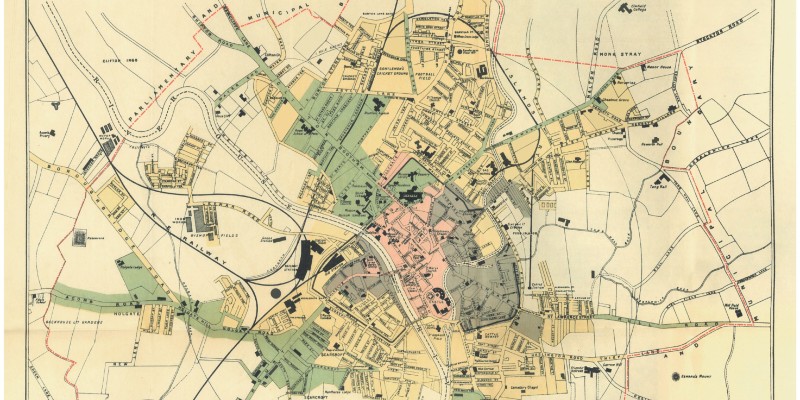
In 1901 Rowntree wrote a study entitled “Poverty: a study of town life” which contained a supplementary chapter that described pub life in the city of York - viewing the local boozer as an indicator of the city’s social cohesion and economic health.
Anniversary report
Now, the Cost of Living Research Group at the University of York is preparing an anniversary report to celebrate 125 years since the original publication.
As part of the project, researchers are calling on York residents to share their experiences of going to the pub, aiming to map how modern inequality and social habits compare to the city Rowntree documented all those years ago.
Today, the British pub is facing an uncertain future, with changing consumer behaviour and a cost-of-living crisis forcing many to close.
Pub numbers have dropped significantly over the last 25 years and in 2025 there were fewer than 40,000 pubs in the UK, compared to approximately 60,000 in 2000.
Consumer habits
The project seeks to understand how pubs reflect broader social change and changing consumer habits.
From housing and wages to the impact of the cost-of-living crisis, the project will examine how the struggles of 1901 mirror or differ from the pressures of 2026.
As part of the project, anyone aged 18 and over and who lives in or around York and visits local pubs is asked to complete a short questionnaire regarding their drinking habits and pub visits.
Researchers say the findings will be used to help preserve the city’s community hubs and provide a modern-day counterpart to the Rowntree legacy.
The call for public participation follows the release of a major new study looking at the future of pubs, published in the journal Contemporary Social Science, the study examines why people choose specific venues, comparing this with the foraging behaviour of animals looking for food sources.
The study highlights a precarious reality for York’s hospitality sector. Key findings include:
- Most customers don't seek out the "best" pub; they settle for the nearest "good enough" option. Convenience and travel distance are significant drivers of footfall
- The research found that customers are remarkably loyal, often staying with a pub. even as quality declines. This creates a "blind spot" for landlords who may not realise there is a problem until it is too late to save the business.
- Factors like seating comfort, noise levels, and physical space are as critical as the drink selection. These environmental elements dictate whether a customer stays for one drink or remains for the evening.
Study co-author Victoria Wells, Professor of Sustainable Management at the University of York’s School for Business and Society, said: "Rowntree’s landmark study wasn’t just about numbers; it was about how people lived their lives.
"By understanding why people visit, or stop visiting, these hubs, and what they do in them we gain vital insight into the economic and social wellbeing of York."
Social cohesion
Study co-author Dr Nadine Waehning, from the University of York’s School for Business and Society, added: “The loss of pubs can be devastating, particularly in smaller localities where closure means the loss of a community hub, where social cohesion and capital can be built, severely affecting opportunities for sociability and exacerbating loneliness.
“Our survey and research is important as it allows us to look beyond the pint glass and understand the pub’s true value as a social lifeline. By comparing our modern findings with Rowntree’s historical data, we can identify how the cost-of-living crisis is reshaping our social landscapes and ensure these vital community spaces aren't just surviving, but actually serving the needs of the people who rely on them the most.”
Seebohm Rowntree’s landmark study of poverty in York is the focus for a Festival of Ideas event on 12 June.
Further information
Link to questionnaire: https://forms.gle/JCt33n8wmFBnBeth6
Festival of Ideas event: https://yorkfestivalofideas.com/2026/calendar/rowntree-revisited/