New insight into the mystery of ancient Gaza wine
Posted on Wednesday 26 April 2023
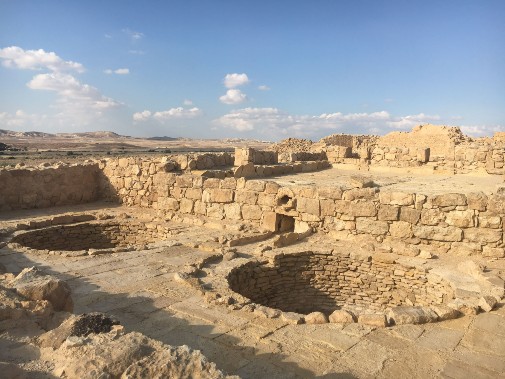
The pips from settlements in Israel’s Negev desert - one of which was dated to the 8th century - were likely from a white grape, and is potentially the earliest of its kind documented anywhere in the world.
It is thought it could be linked to the sweet white wine - the Gaza wine - that archaeologists have seen references to in historical records, but a lack of evidence of white varieties from the period has until now left a question mark over its true origins.
Royalty
The wine was produced in the Negev and shipped across the Byzantine Empire, as well as to Germany, France and Britain, where it is thought to have been enjoyed by royal households.
Researchers from the University of York, Tel Aviv University, and the University of Copenhagen, used genetic analyses to identify several different grape cultivars that were grown in Negev vineyards including both white and black grapes.
Largest profits
Dr Nathan Wales, from the University of York's Department of Archaeology, said: “This is the first time that genetics has been used to identify the colour of an ancient grape, and gives us a glimpse into the internationally famous Gaza wine during the period.
“It also gave us the opportunity to link ancient seeds with modern varieties that are still grown around the Mediterranean today.
“Identifying the grape varieties that grew in the Negev during the Byzantine period and the genetic characteristics that were nurtured in these dry, desert conditions, could provide valuable insights into how plant varieties could be developed to resist the extremes of climate conditions today.”
The grapevines made some of the largest profits of any crop in Byzantine times and trade from Negev, with Lebanon and Crete for example, have sprung modern varieties of red wine that are still produced in these areas today.