£4M to drive reduction in greenhouse gases for agri-food industry
Posted on Wednesday 6 July 2022
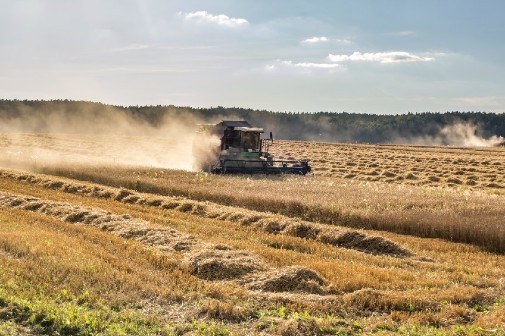
According to the latest research, the UK’s agri-food industry is responsible for almost a quarter of the country’s greenhouse gas emissions. This is an area that needs addressing if the country is to meet its net zero goals by 2050.
The network, led by the Universities of York, the West of England, Leeds, and East Anglia, will bring UK researchers together as part of a £4 million initiative to explore effective ways to support the industry to reduce its greenhouse gas emissions and improve its environmental sustainability.
It will also help the UK’s agri-food industry enhance biodiversity and maintain healthy ecosystems, as well as nurture livelihoods, support healthy consumer habits, and minimise the environmental impacts of overseas trade.
Resilient
Professor Sarah Bridle, Chair in Food, Climate and Society, at the University of York’s Department of Environment and Geography, said: “It is necessary to make our food industry more sustainable and resilient, because producing our food is a major cause of climate change, and because food production can be severely disrupted by extreme weather events associated with climate change.
“The network will help connect researchers with food producers and policymakers, some of whom have never met before, or even worked on food before, and support them to create new and relevant collaborations.
“We will work together to identify future scenarios for the food system, including the impacts of climate change, and create a roadmap for future research to support the necessary transformation of the UK food system.”
Farm to plate
The agri-food industry is more than farming alone and involves the journey from the farm to the plate and beyond, including manufacturing, retail, consumption and waste management. Work to reduce the industry’s greenhouse gas emissions needs expertise from across a range of research disciplines, including agricultural, biological, natural, environmental, physical, engineering, economic and social sciences.
The network is supported by the Engineering and Physical Sciences Research Council (EPSRC), UK Research and Innovation, and the Biotechnology and Biological Sciences Research Council (BBSRC); Economic and Social Research Council (ESRC); and Natural Environment Research Council (NERC).
Sustainable
EPSRC Executive Chair, Professor Dame Lynn Gladden, said: “The agriculture food system produces nearly a quarter of the UK’s carbon emissions. By bringing together a multidisciplinary team and engaging a wide range of stakeholders, this project will explore how the journey from farm to fork could be made more sustainable, helping to meet the UK Government’s strategy for achieving net zero by 2050.”
The funding will run for three years, starting in July 2022.