Sir Michael Caine lends his voice to AI deepfake research
Posted on Tuesday 18 August 2026
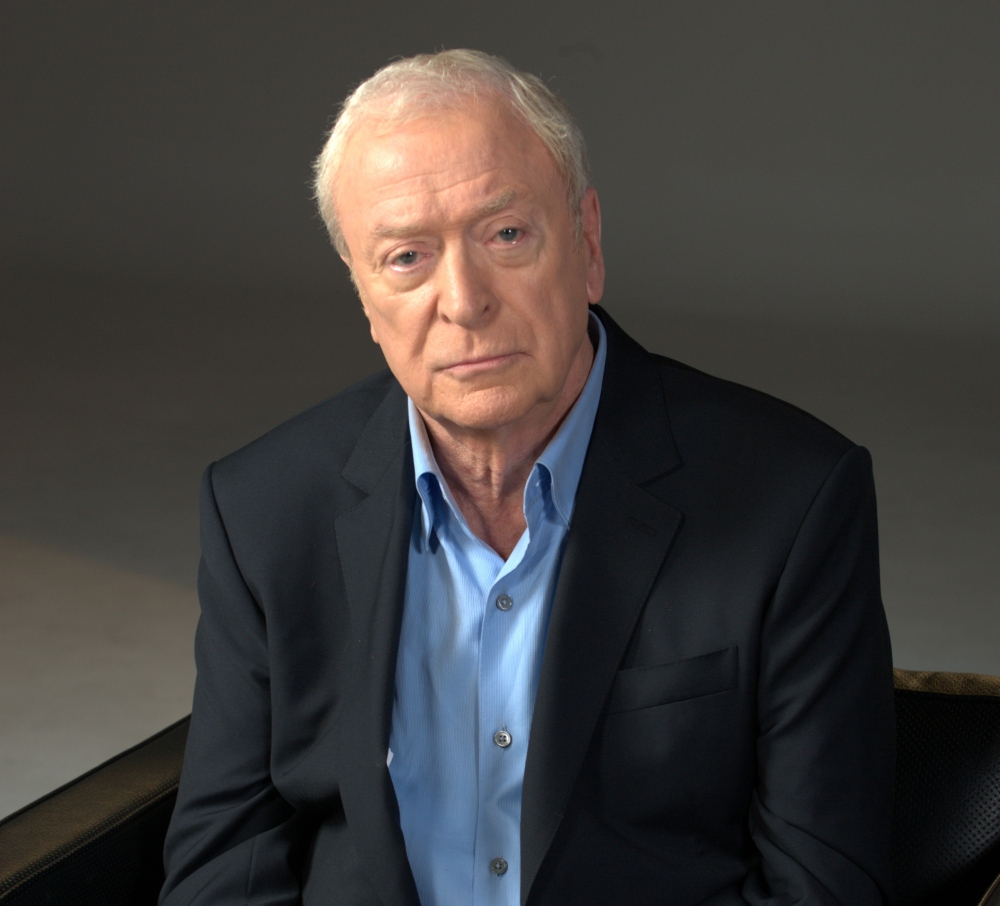
The study, led by Dr Ben Gibb-Reid at the University of York and Dr Jennifer Williams at the University of Southampton, will investigate how effectively members of the public can distinguish between authentic human speech and AI-generated voices.
As part of the research, participants will listen to samples of Sir Michael Caine's AI voice replica, created and officially licensed by ElevenLabs, and compare them with genuine recordings of his voice.
ElevenLabs technology allows people to create an AI-generated version of their voice, preserving all the unique characteristics of the original voice, including its tone, accent, cadence and emotional qualities.
The company works with actors and artists who want to use their AI voices for new creative projects, and restores the voices of people who have lost them due to illness or injury.
Protecting artists
The research aims to improve understanding of how people perceive synthetic speech and contribute to better ways of identifying AI-generated audio.
The findings could also help strengthen protections for performers and creators whose voices, identities and likenesses are increasingly being replicated by artificial intelligence.
Dr Ben Gibb-Reid, from the University of York's Department of Language and Linguistic Science, said: "We are becoming increasingly familiar with the signs of AI-generated images, but the human ear is not yet as well trained at identifying synthetic audio.
“We will explore a range of linguistic features that may act as 'tells' of authenticity, and contribute to the growing need for effective voice-rights protection. We look forward to working with such an iconic voice on this timely and novel project."
Renowned actor
An early advocate for the responsible and ethical use of AI, Sir Michael Caine was among the first internationally renowned actors to embrace licensed AI voice technology while also championing stronger protections for performers' intellectual property and publicity rights.
Recognising the growing importance of protecting personal identity in the digital age, Sir Michael actively polices unauthorised uses of his name, image and likeness.
Speaking about the collaboration, Sir Michael Caine said: "If my voice can help researchers better understand how people perceive AI-generated speech, protect artists' and actors' rights, and help protect the public from harmful deepfakes, then I'm pleased to support this important research."
Misinformation
The study is intended to provide insights that can help inform future technology, policy and industry standards around synthetic media.
Researchers hope the work will support the development of more effective tools for combating misinformation while encouraging the responsible use of AI.
Mati Staniszewski, cofounder and CEO of ElevenLabs, said: “As voice AI becomes more powerful, it’s going to be critical that people can trust it. At ElevenLabs, we've embedded safeguards throughout our platform, and we work closely with leading creatives who want to protect and expand their IP.
“Research of this kind will help us defend against bad actors, and keep artists in control of their voice and identity.”
The project is funded by the YorVoice project at the University of York.