Almost £1 million of funding secured for bioeconomy research
Posted on Monday 17 February 2020
These projects join 13 THYME projects already funded in 2019, bringing the total research funded by the project to almost £1 million.
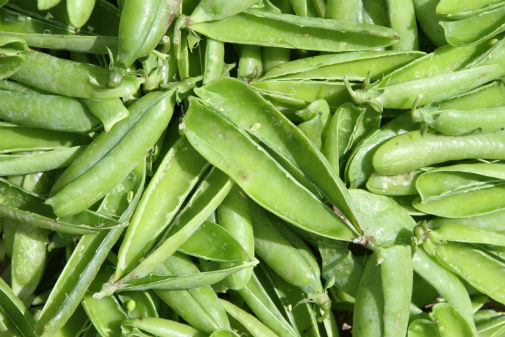
The University of York - in collaboration with the University of Hull and farmers R Meadley & Sons - is using crop waste from pea production for the production of small particle materials that can then be used in the treatment of waste water.
Pea waste
After harvesting, pea waste that is not needed to fertilise the soil will be converted into nano-celluloses and nano-carbons to potentially clean waste water. Scientists also plan to extract lipids, waxes, and pectins from the pea biomass adding to economic value of this resource. These can be extracted and used back in food, home and personal care products.
Dr Avtar Matharu, Deputy Director at the Green Chemistry Centre of Excellence, from the University of York’s Department of Chemistry said: “Often discarded and considered as waste, unavoidable food supply chain waste such as pea waste is a treasure trove of useful chemicals that can be utilised in many applications that impact global grand challenges.”
Waste water
Dr Sharif Zein, Director of Postgraduate Research, University of Hull’s Chemical Engineering Department said “We’re really excited to be working on this project with a local supplier, investigating new methodologies with the potential to provide global environmental benefits. Using clean and efficient methods we can convert various plant wastes into nanomaterials that can be used in the treatment of waste water across many industries. These nanocarbons are incredibly valuable materials: non-sustainable nanocarbons are already the building blocks for electronics, energy storage and drug delivery; we have an opportunity here to create them from sustainable sources.”
The THYME project - a collaboration between the Universities of Teesside, Hull and York to boost the bioeconomy across Yorkshire, the Humber region and Tees Valley - is funding the research.
Scientists will also be working on projects to:
- Create a simulation of the microbial aspects of anaerobic digestion that can be used to improve the process or to develop new monitoring methods.
- Develop specialised materials from starch that can be used in vitamin capsules or other food coatings.
- Explore how plant clippings from natural habitats can be used in anaerobic digestion to generate income as well as bring conservation benefits.
- Investigate the use of a charcoal-like material in retrieving phosphorus – a valuable soil fertiliser – from waste water.
- Understand the chemical process by which woody material can be converted to sugar, in order to find ways to improve sugar yields.
Dr Joe Ross, Director of the Biorenewables Development Centre said: “The innovations kick-started by this funding will not only help boost economic growth but they will also pave the way to a more sustainable future where industry uses renewable sources of raw materials, such as plants and microbes, rather than petrochemicals.”
The THYME project - funded by the Connecting Capabilities Fund of Research England - is a collaboration between the universities of York, Hull and Teesside, delivered in partnership with the Biorenewables Development Centre (BDC) and BioVale.