CfAA newsletter
Sign up to receive the latest news, research and events related to the CfAA

Posted on Tuesday 27 October 2026
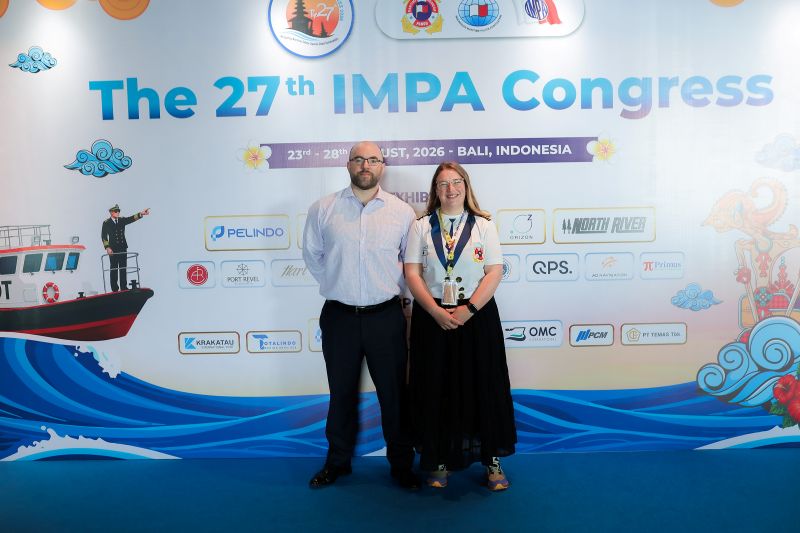
The IMPA 27th congress brought together maritime pilots, leaders, experts from across the world, providing an opportunity to network and hear about some of the latest developments and challenges facing maritime pilotage, while also offering an opportunity to enjoy the amazing sites and experiences of Bali!
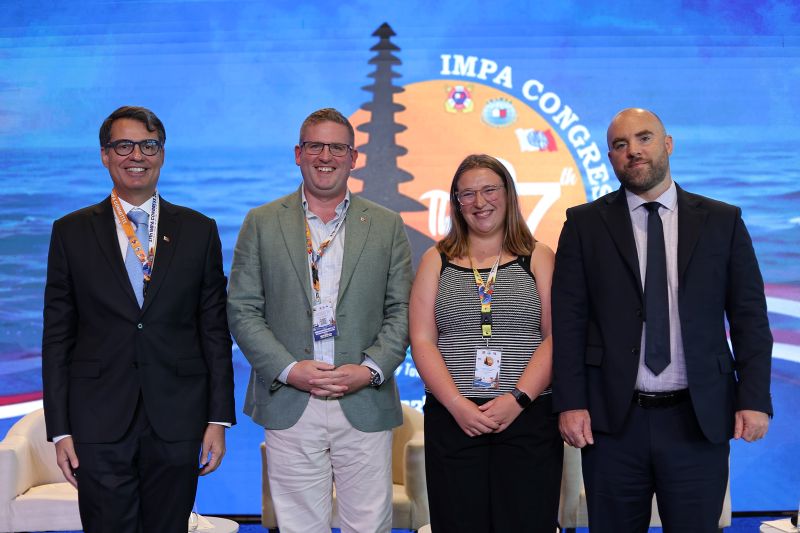
We were invited to present and participate in a panel on our ongoing work with IMPA on the development of an ‘as-is’ model of maritime pilotage. Our work with IMPA has two complementary arms, both of which were presented at the congress.
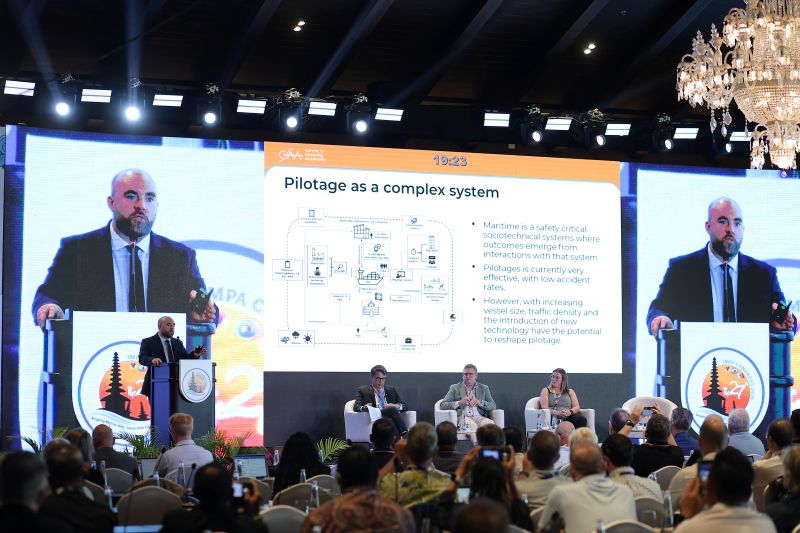
In the first presentation, Dr Molloy highlighted the importance of understanding emergent risks and how this is critical for the maritime sector. He also introduced the Safer Complex Systems (SCS) Framework, developed through the Lloyd’s Register Foundation Engineering X program. Through the analysis of accident reports, this framework can support a holistic understanding of technology and human related sources of risk within the wider management, operational, regulatory and governance contexts.
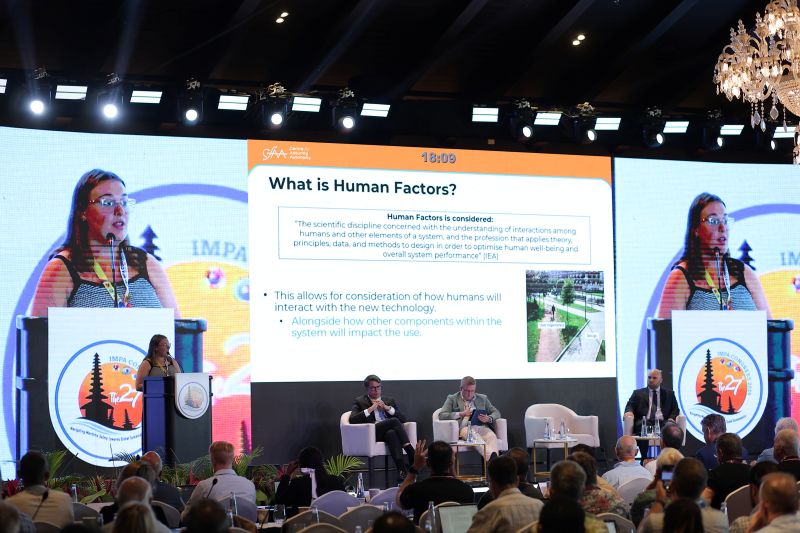
In the second presentation, I discussed the human factors approach that highlights the key sociotechnical interactions that currently occur within maritime pilotage. This approach highlights both ‘work-as-imagined’ and ‘work-as-done’, helping to build an understanding of how the system is intended to operate alongside how pilotage is actually carried out in practice.
Through this work we aim to highlight the complexity of maritime pilotage by showcasing key interactions that support safe outcomes. For example, maritime pilots use in-depth knowledge of their pilotage area to anticipate potential hazards and adapt to changing conditions. They also need to continually adapt their approach as conditions change and communicate effectively with the crew onboard.
The presentation and subsequent panel discussion received very positive feedback, with attendees particularly interested in how a systems perspective can be used to understand and mitigate the risks associated with maritime pilotage.
We also had the opportunity to attend the other sessions that were happening during the congress, which provided some interesting insights into the current priorities and challenges within maritime pilotage. One particularly interesting discussion focused on the use of artificial intelligence (AI) in pilotage. A panel explored how emerging AI technologies could both support and potentially create new challenges. Hearing AI experts and pilots from across the world perspectives on AI was beneficial for understanding how this technology may fit within the wider pilotage system.
Another topic that featured was the use of alerts. Discussions highlighted concerns around the potential for excessive or poorly designed alerts to contribute to ‘alert fatigue’. This refers to a situation where an individual, in this case a pilot, becomes desensitised to an alert or, in some circumstances, ignores them altogether. These discussions further highlighted the importance of taking a human-centred approach, considering how new technologies and systems fit within the everyday work of pilots, rather than considering technologies in isolation.
Alongside the presentations and sessions, there was also a great social programme. From a boat party, networking opportunities, having meals with colleagues, to simply sitting by the pool and enjoying the brilliant Bali weather, there were plenty of opportunities to catch up with colleagues and meet people from across the maritime pilotage community.
Overall, the congress was a brilliant and insightful experience. It provided us with the opportunity to see first-hand some of the key challenges and emerging topics for maritime pilots, while also sharing our research and hearing directly from those working within the sector. The insights and contacts we gained from the congress will support our continued work with IMPA, alongside giving us lots to think about in terms of future safety research for maritime pilotage.