
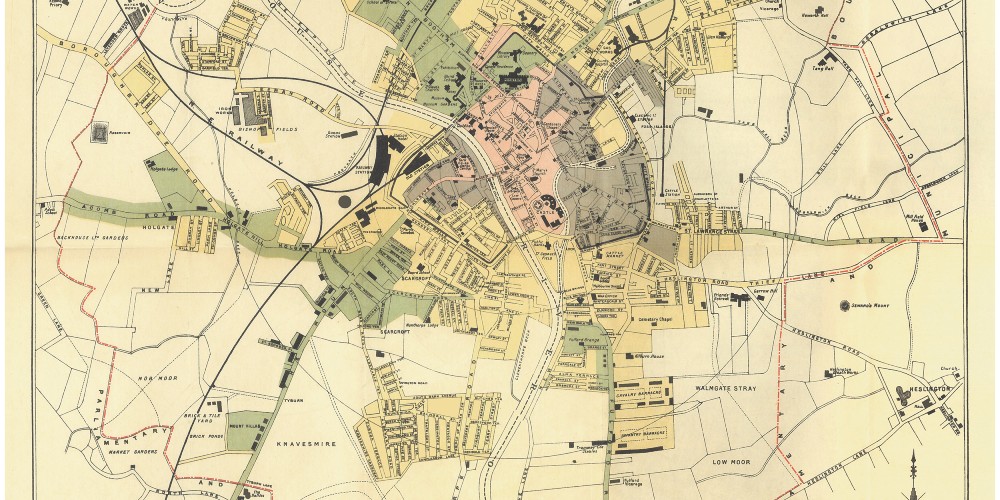
York has the opportunity to lead the way on tackling poverty again
The Prime Minister’s acceleration of English devolution provides us with an opportunity to achieve good growth that lifts the incomes of all, but only if local and regional leaders commit to making poverty reduction an integral part of their agenda.
John Hudson, Professor of Social Policy, School for Business and Society.
Collaboratively developed local anti-poverty plans can improve outcomes by facilitating strong place-based working that tailors policy to local needs. The acceleration of English devolution will give regions and localities the power to go further here and create new opportunities for a ‘test and learn’ approach to policy development as they try out new approaches to poverty reduction and learn from each other as they adapt approaches tried elsewhere for their own local needs.
We can already see strong examples of this in some regions. The North East Mayor, Kim McGuiness, has made child poverty her number one focus and introduced a wide range of local and regional policy innovations that have influenced policy elsewhere.
Good growth
Research by the University of York shows that the statutory powers of English regions leave them well placed to take a lead role in poverty prevention; adult skills and employment, housing and transport all tap into structural determinants of poverty.
However, not all regions adopt such a strategic positioning of their role, missing the opportunity to connect key elements of the policy ecosystem that can help reduce the risk of individuals falling into poverty through inclusive growth agendas. The Prime Minister’s acceleration of English devolution provides us with an opportunity to achieve good growth that lifts the incomes of all, but only if local and regional leaders commit to making poverty reduction an integral part of their agenda.
Further information
John Hudson is Professor of Social Policy in the School for Business and Society.
Poverty and Progress? 125 years on from Rowntree's study of life in York 2026 marks the 125th anniversary of Seebohm Rowntree’s groundbreaking study of living conditions in York at the turn of the 20th century, which broke new ground in the measurement of poverty.