Lost village on Yorkshire hill may hold secret to long-term prosperity
Posted on Monday 13 April 2026
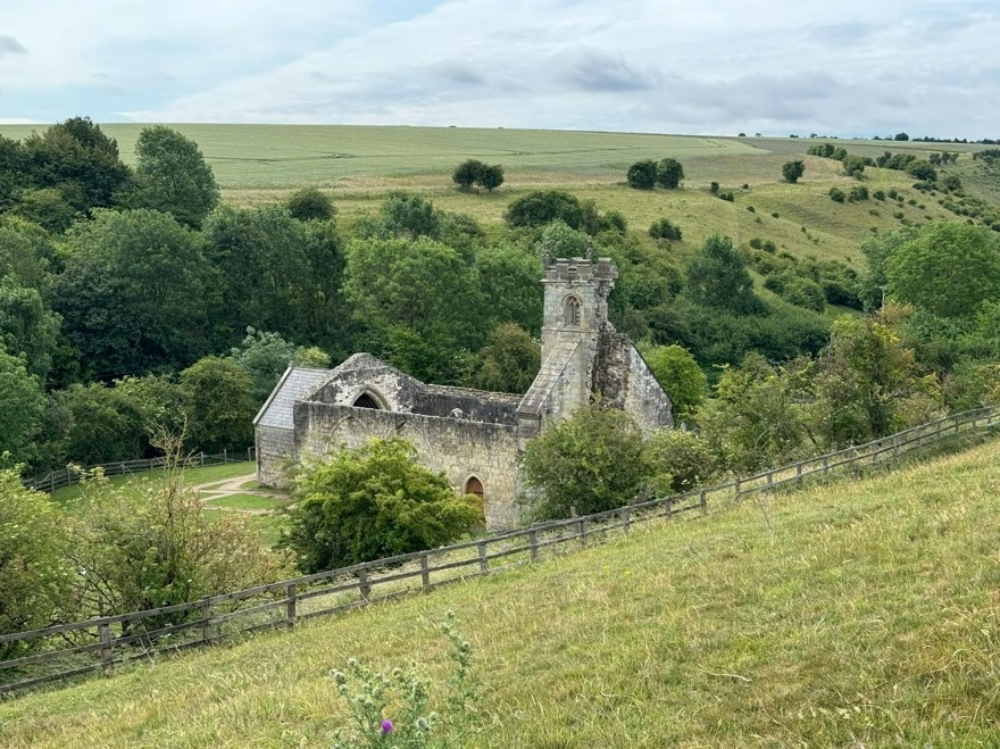
Perched on a steep chalk hillside, are the remains of Wharram Percy - a ruined stone church and grassy mounds are all that is left of a once-thriving community.
Now, a new study has revealed that the 'rubbish’ its residents left behind, such as broken cooking pots, shows an economy that grew, adapted and ultimately declined, offering fresh insight into how human societies can prosper without exhausting their resources.
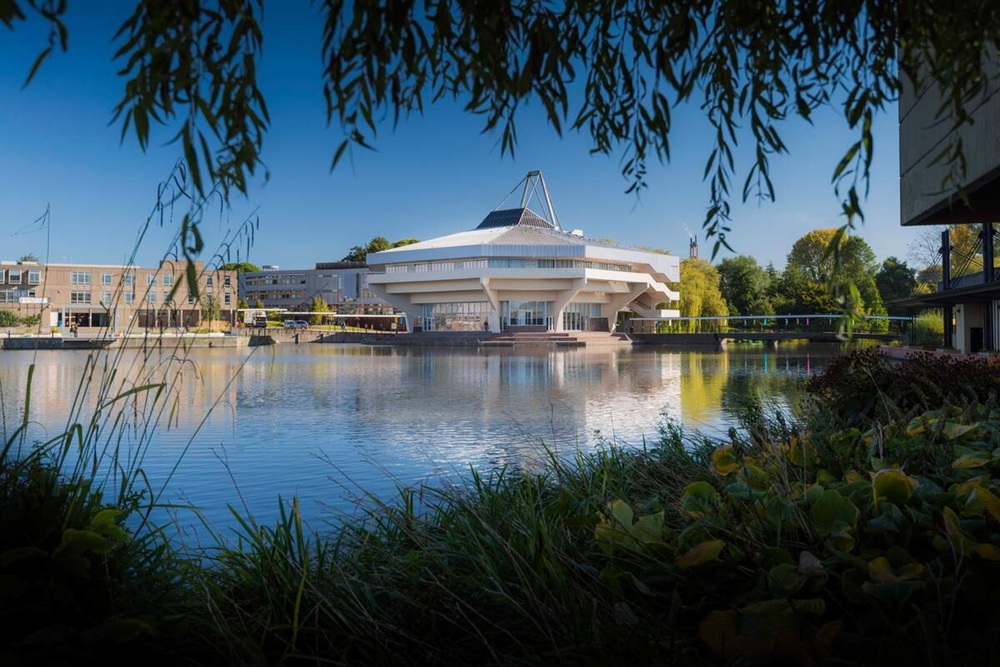
Researchers analysed centuries of archaeological evidence from Wharram Percy, including a huge database of broken pottery sherds and chalk walls assembled by experts at the University of York, now preserved by the Archaeology Data Service. These items helped researchers track how resources such as stone and pottery moved into and around the village over time.
Sustained growth
Their findings, published in the Journal of Archaeological Science, suggest the settlement experienced periods of sustained growth, with increasing investment in buildings and infrastructure, challenging the idea that medieval economies were stagnant.
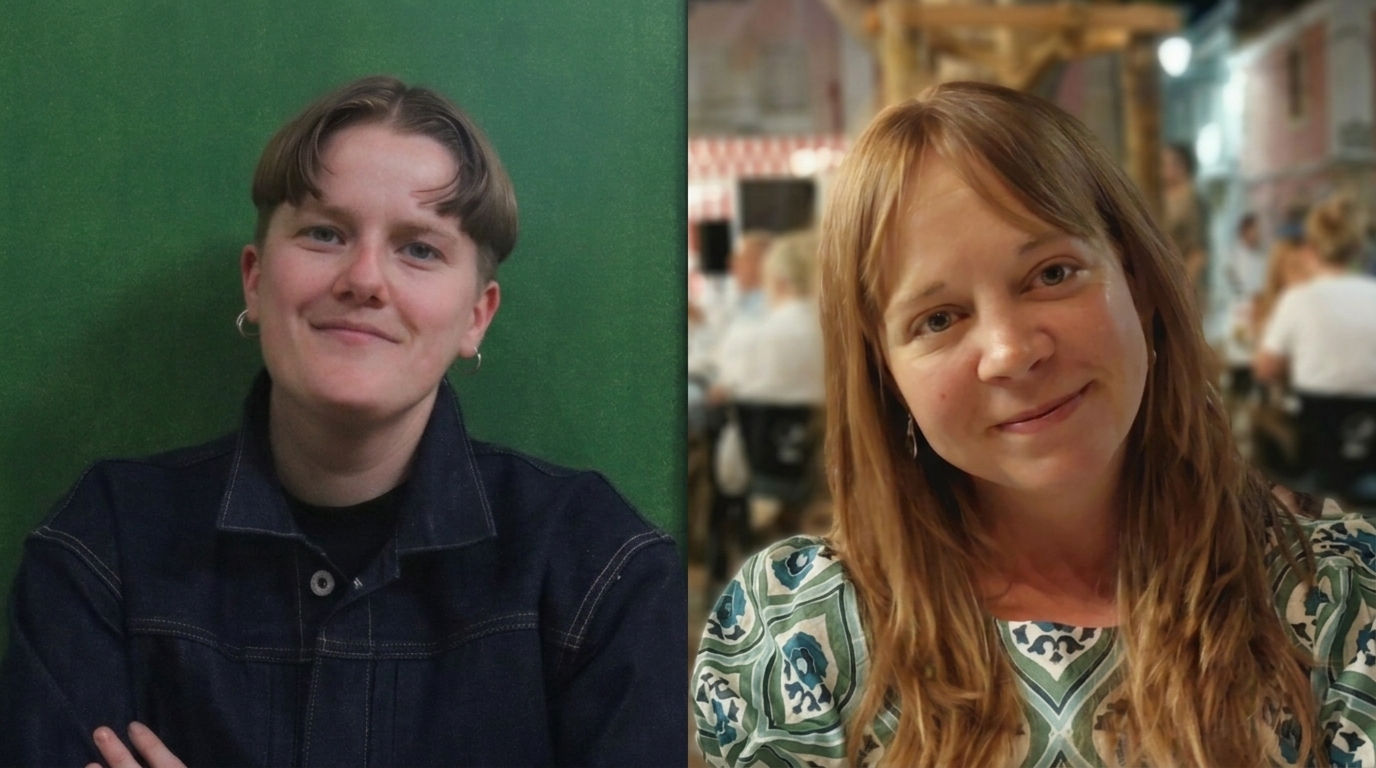
Dr Adam Green, from the University of York’s Department of Archaeology and Department of Environment and Geography, said: “Wharram Percy was in what is today a particularly isolated place, and so getting resources in and around the area would have taken a huge amount of labour, and at a time when there were no fossil fueled-machines to make moving material around easier.”
Today’s global economy has expanded rapidly, but at the cost of rising inequality and increasing pressure on the planet’s resources. Researchers argue that a better understanding of what happens when economies grow is essential, and requires bringing archaeological data into debates about long-term sustainability today.
Unexpected
Dr Simon Mair, from the University of York’s Department of Environment and Geography, said “Long-term sustainability requires us to rethink the relationship between our economies and our environment. This is challenging because our current economy shapes so many aspects of our lives.
“Looking at past economies and their relationships to the environment can help us reflect critically on the way things are today and how they might be different.”
“Wharram Percy’s growth was unexpected; it is traditionally believed that pre-industrial economies were stagnant. By studying societies that operated in this way using the same methods we would apply to our own economies, we can better understand how prosperity can be achieved while limiting environmental impact.”
Black Death
This growth, however, did not last. Around the mid-14th century, the flow of materials into the village declined. It has long been debated whether this decline was due to politics around land ownership, changes in farming practices, or as a result of the Black Death.
Dr Green said: “In the case of Wharram Percy there was a decline in the flow of resources that is correlated with a variety of substantial social and economic disruptions, including the Black Death, a devastating period of disease that appears to have hit the countryside just as it did the cities..
“Over time, the village was abandoned, leaving only traces in the landscape, but it remains an excellent example of how economies have always been dynamic, capable of expanding and contracting in response to changing conditions.”
The long-abandoned village on the Yorkshire hill, researchers suggest, offers a reminder that long-term prosperity may depend not on endless growth, but on how carefully societies manage the resources they rely on.