York leads £550,000 heritage science initiative to unlock digital innovation and protect ‘at-risk’ data
Posted on Thursday 5 March 2026
Heritage science combines cutting-edge technology with data management to protect irreplaceable digital records. By following international standards, the service ensures this vital cultural data remains accessible to researchers and the public forever.
Rescuing “at-risk” data
Funding more than 20 pioneering projects across the country, the Heritage Science Data Service Small Grants Programme – supported by the Arts and Humanities Research Council's RICHeS programme – is designed to rescue "at-risk" data. It will harness cutting edge technology to protect the datasets from historic sites ranging from 15th-century shipwrecks to Antarctic explorers' huts.
Project highlights
The grants are split into two streams: enhancing access to physical reference collections and developing Virtual Research Environments (VREs). Key projects include:
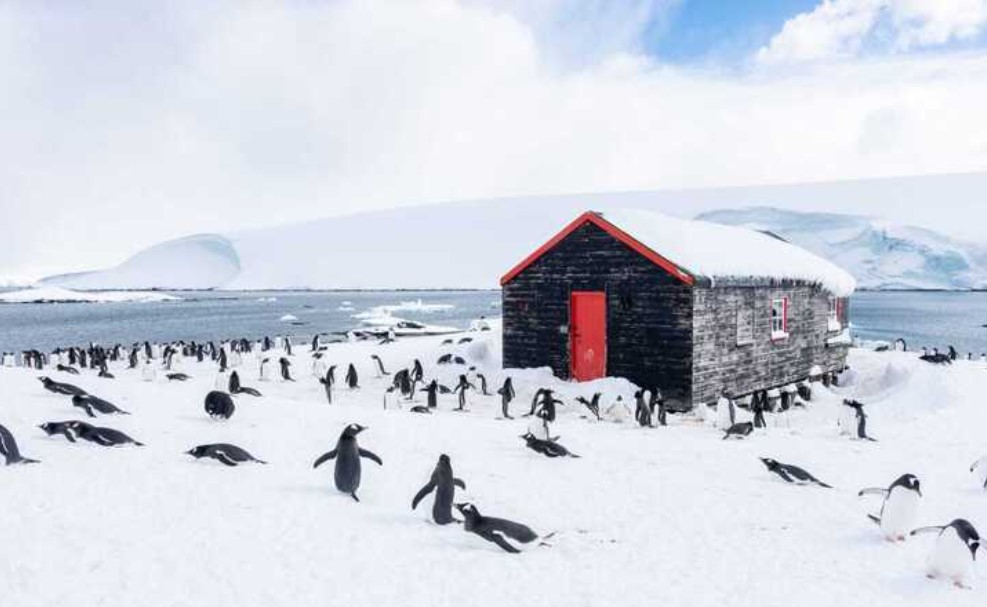
- Antarctic heritage at risk: The UK Antarctic Heritage Trust will document and preserve datasets from historic sites currently threatened by warming temperatures and extreme weather.
- Newport Medieval ship building: Swansea University will develop an interactive 3D digital model of the most significant medieval ship remains ever found in Britain.
- National Galleries of Scotland: A new digital catalogue of paint samples from masterpieces by Van Gogh, Vermeer, and Titian, allowing researchers and the public to "go under the skin" of world-famous art.
- AI for archaeology: Historic England will develop a VRE to use Artificial Intelligence for detecting cultural heritage features in large-scale laser scanning (lidar) data.
Leading the way
By harnessing cutting-edge technology, York is leading the way in protecting vital datasets from historic sites. Professor Julian Richards, Director of the HSDS at the University of York, said: “We’re delighted by the excellent quality and broad range of the applications we’ve received for our small grants programme, covering the full breadth of Heritage Science and Conservation research. They reinforce the number of important data sets that are at risk but which will now be made widely available, as well as the potential of advanced computing facilities to re-use them.”
The full list of projects funded as part of the programme is available here.
Further information
Heritage Science Data Service (HSDS) provides core digital research services as part of the RICHeS programme, the UK’s Research Infrastructure for Conservation and Heritage Science.
Based at the University of York, HSDS unlocks potential for innovation in heritage science and conservation research and its capacity to advance understanding, preservation, and management of UK heritage.
The University of York brings together brave, independent minds to build trusted partnerships and deliver curiosity-driven research for the public good. Sign up to our newsletter for the latest research news and insights from York.