4,000-year-old texts to reach new audiences in landmark digital project
Posted on Tuesday 5 May 2026
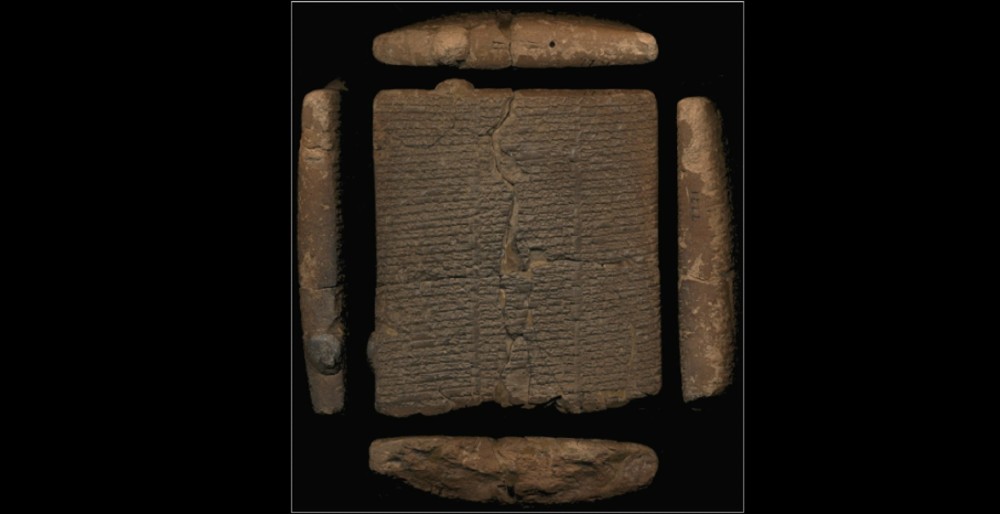
As part of the project, called Access to Cuneiform Texts (CDLI‑ACT), researchers have developed an Arabic digital interface to allow access to cuneiform texts - written on clay tablets across ancient Mesopotamia over more than three millennia.
The team, including researchers at the University of Al-Qadisiyah, Iraq, the University of York, UK, and Lund University, Sweden, have launched an Arabic version of the Cuneiform Digital Library Initiative (CDLI), a resource for the study of cuneiform inscriptions worldwide, developed over the course of the last quarter century through the combined efforts of an extensive global research community.
While famous works such as the Epic of Gilgamesh - which tells the story of a legendary king’s quest for immortality following the death of his friend - are widely known, cuneiform texts also include some of the earliest legal codes.
Clay tablets
The Code of Hammurabi, for example, set out rules for society nearly 4,000 years ago and is often associated with the principle of “an eye for an eye”.
Cuneiform texts, first developed in what is now Iraq, represent one of humanity’s earliest writing scripts, predating alphabet-based scripts by more than a millennium. They were written on clay tablets, but can now mostly be seen in museums outside of their original home.
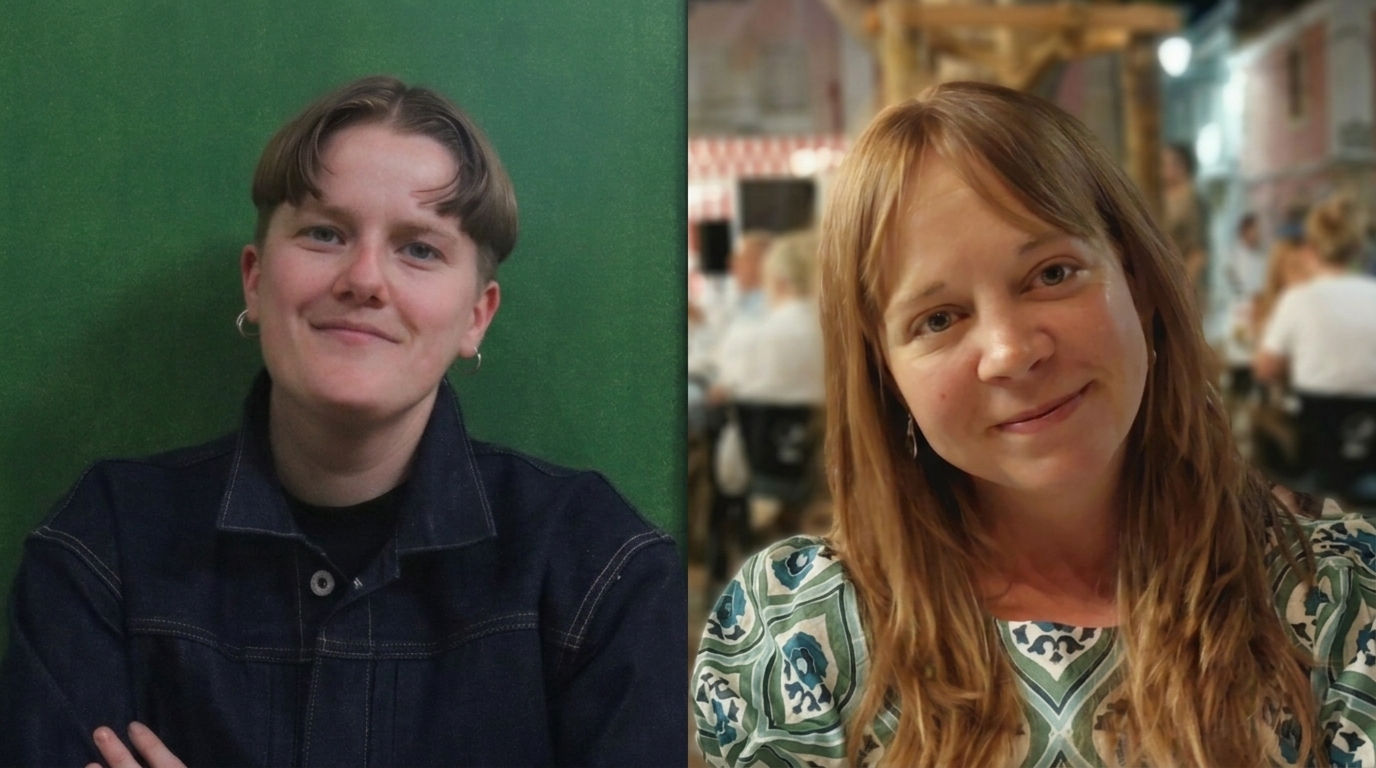
Dr Émilie Pagé-Perron, from the University of York’s Archaeology Data Service, said: “They are comparable in significance and scale to Egyptian hieroglyphs, and they provide detailed insights into early law, literature, science, and everyday life.”
“Many surviving cuneiform tablets are today held in major Western institutions such as the British Museum and the Louvre Museum, having been removed from the Middle East during periods of excavation often linked to 19th and early 20th-century imperial activity.”
Globally significant
While these collections have enabled preservation and study, they have also contributed to barriers in access, with much of the material historically catalogued and translated primarily into European languages such as English.
Professor Haider Aqeel Al-Qaragholi, from the University of Al-Qadisiyah in Iraq, said: “Resources like this can keep heritage alive and promote the important role of Middle Eastern countries in shaping the written word. It is particularly important for teaching future generations of students, as they will be the ones to lead further research into what these globally significant artefacts could tell us about the shaping of human society.”
Building on this work, a related project aims in part to address this imbalance by expanding access in Arabic and improving the availability of digital resources for audiences in the region where the texts originated.
Myths and legends
Around 70,000 lines of text are expected to be translated, covering a wide range of material including myths, legal codes, letters, medical texts and astronomical records. Translations will be produced in multiple formats, ranging from scholarly line-by-line versions to more accessible narratives for general readers.
The data will be archived long-term at the Archaeology Data Service to ensure it remains available for future research.
Rune Rattenborg, from Lund University, Sweden, said: “This new initiative will not only help preserve the earliest known writing systems, but also make them accessible to a new generation worldwide, particularly reconnecting communities with cultural heritage from the region in which it originated.”
The three-year initiative, titled “Towards Universal Access to Cuneiform Heritage” (TUA-CH), will be funded by the Meditor Trust and the University of York, and hosted by the Archaeology Data Service at the University
Further information
Access to Cuneiform Texts (CDLI‑ACT) is an international collaborative project which translated the interface of the CDLI and specialised vocabularies to describe ancient artifacts and texts to Arabic. The initiative was generously funded by the General Fund for Assyriology at Wolfson College, University of Oxford, The British Institute for the Study of Iraq, Meditor Trust, and donors from the CDLI community. The translated interface in available at https://cdli.earth/ar; A description of the project can be found at https://cdli.earth/postings/225
Towards Universal Access to Cuneiform Heritage (TUA‑CH) is a three-year research programme hosted at the Archaeology Data Service at the University of York with a focus on preserving existing scholarship around Sumerian literature and promoting access to cuneiform heritage through an intensive translation campaign to Arabic and the design and deployment of a new, more friendly interface to the CDLI geared foremost for a general public. The programme is funded by Meditor Trust and builds on the pioneering efforts of the CDLI-ACT project. A description of the project can be found at https://cdli.earth/postings/239
Cuneiform Digital Library Initiative (CDLI) is an essential research infrastructure for the study of cuneiform sources. Strong of 28 years in operation, it is a collaborative effort by an international group of Assyriologists, archaeologists, curators, and historians of science. It preserves and disseminates information about more than 430,000 records of cuneiform artefacts, the largest of its kind. The project is spearheaded at the University of Oxford, the Max Planck Institute for Geoanthropology, and the University of York https://cdli.earth
Archaeology Data Service (ADS) at the University of York is the leading accredited repository in the UK for archaeology and historic environment data, with over 25 years of experience supporting research, learning and teaching with free, high-quality and dependable digital resources. https://archaeologydataservice.ac.uk/
The University of York is a hub for heritage research excellence. Centred in the historic Heslington Hall – the new home of our Humanities Research Centre – our expertise spans from the Middle Ages to the modern day.
By making sense of our past, heritage research provides the essential context we need to tackle today’s social challenges and navigate our collective future. It is a living, breathing part of our identity.