More than £3M awarded to psychologists in studies of sleep and online misogyny
Posted on Monday 9 December 2024
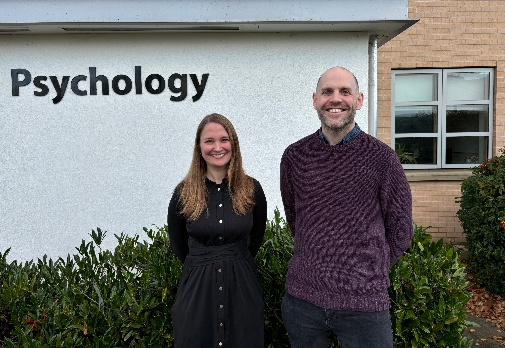
Dr Scott Cairney and Professor Harriet Over, from the Department of Psychology, will use their awards on projects respectively titled SLEEPAWAY and HATESHIELD.
The 2024 Consolidator Grants, totalling more than £560 million awarded to 328 researchers based throughout Europe, aim to support outstanding scientists and scholars as they establish their independent research teams and develop their most promising research ideas.
Winning projects range from aiming to get a better understanding of what influences people’s responses to immigrants, and the use of AI to improve firefighting strategies, to analysis of how the voters of a losing party can come to accept their loss in democratic elections.
Sleep and memory
The SLEEPAWAY project, led by Dr Scott Cairney, investigates how sleep helps people to forget unwanted or traumatic memories. The project explores whether reactivating memories in sleep can weaken undesirable aspects of prior experience to improve emotional wellbeing.
Dr Cairney said: “We will use advanced neuroimaging techniques to test if reactivating past events during sleep weakens unwanted memories, making them less accessible. We will examine if sleep-induced memory reactivation helps us to regulate our emotions by reducing negative interpretations of prior experience.”
The HATESHIELD project, led by Professor Over, aims to address the growing issue of online misogyny, especially its impact on teenagers. In the last decade, the "manosphere" has spread harmful messages about women being inferior, which can fuel harassment and discrimination. Previous research has shown that teenagers, especially young boys, are heavily influenced by these ideas through social media.
Interventions
Professor Over said: “We will use AI to analyse how adolescents engage with online misogyny and identify the age group most vulnerable to its influence. The study aims to understand how exposure to misogyny affects adolescents' gender attitudes, self-worth, and homophobia over time.
“Ultimately we want to develop strategies to help young adolescents critically engage with misogynistic content, and create interventions to reduce the negative effects of online misogyny on young adults who have already internalized these ideas.”
Dr Cairney and Professor Over are two of 38 researchers awarded the funding in the UK, with the highest number located in Germany, with 67 projects, followed by France, the UK and the Netherlands.