What will a UK dinner plate look like in 2054?
Posted on Wednesday 19 June 2024
Research conducted at the University of York for the Co-op’s Responsible Retailing Report, shows a rise in horticultural production in Britain complemented by urban indoor farming.
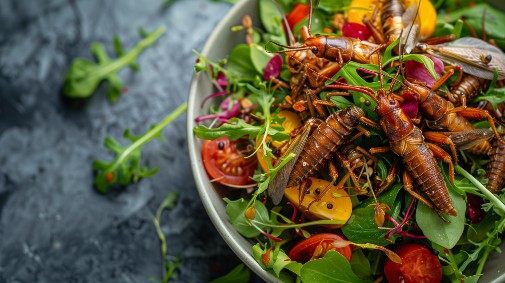
Diets will have more balance of protein, carbohydrate, fibre and more pulses/seeds, with the diversity of protein options increasing over the next 30 years, including British high quality meat, and lab-produced meat replacements.
Sustainable produce
Professor Bob Doherty, Director of FixOurFood from the School for Business and Society at the University of York, said: “Over the last 30 years we have seen scientific leaps into more sustainable produce which were unimaginable to most back in 1994. Products derived from plant crops such as wheat gluten or legumes, or cultured from animal tissues, could become the norm by 2054.”
The report suggests that the impact of climate change will mean less reliance on imported vegetables and an increased preference for locally sourced produce.
Advances in UK horticulture production, including investment in storage facilities, is leading to an extended growing season for UK top fruit - apples and pear - and this combined with innovation in apple conservation, as well as controlled atmosphere/refrigeration has extended the season for UK apples.
Regenerative
Researchers also say that the expansion of strawberry production off the ground, as opposed to growing strawberry plants in the soil, has provided benefits that include increased picking efficiency, better quality and greater consistency.
The UK will see a rise in regenerative approaches to agriculture which are more integrated between crop and livestock production, reducing the reliance on expensive chemicals, and improving soil health and biodiversity.
Extensive plant breeding will welcome new varieties, not currently in widespread use, such as the fast-growing freshwater fern azolla used for soups, salads and even burgers.
Preserving methods
Professor Doherty said: “As climate change continues to impact our planet, we'll also see a shift towards locally grown produce. As we navigate the challenges of climate change, we'll need to embrace these innovations to ensure that we can feed a growing population sustainably.”
Researchers say that supporting Fairtrade will become even more critical, with smallholder farming communities across the globe disproportionally more impacted by climate change.
Traditional preserving methods, such as pickling of vegetables is expected to be embraced widely, to help people reduce food waste and to use vegetables beyond the traditional seasons, which could see additions such as Yorkshire rhubarb pickles used in dishes such as stir fries and a lentil dahl.
Ethical concerns
Almost 70,0000 people over the last 30 years have been surveyed as part of the Co-op’s Responsible Retailing Report series, which looks at consumer views on transparency in food production and its impact on people, animals and the environment.
The retailer’s latest figures reveal that two-thirds (72%) of consumers have become increasingly more concerned about ethical and sustainable food than in recent years - a sharp increase since 1994.
The impact of climate change, animal welfare, plastic pollution and fair wages for global workers were amongst the top reasons driving this increased concern.
To access the full report, visit: https://www.coop.co.uk/sustainability