Simple blood test to detect lung cancer a step closer, say researchers
Posted on Thursday 26 September 2024
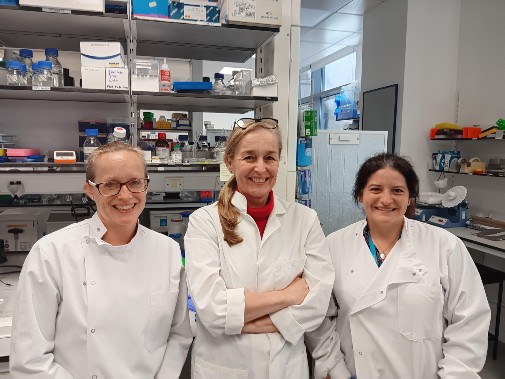
Cizzle Biotechnology, a spin-out company from the University of York’s Department of Biology, and the Moffitt Cancer Center in America will test patients with suspicious lung nodules as part of the clinical evaluation of Cizzle’s new lung cancer biomarker, CIZ1B.
The biomarker means that there is now the potential for a simple blood test to be used in early detection of lung cancer, reducing the reliance on CT scans, which can often flag non-cancerous nodules, causing undue stress to the patient and additional costs to health care services.
Cizzle was founded by Professsor Dawn Coverley and colleagues, from the University of York’s Department of Biology, based on their discovery of the biomarker, CIZ1B.
Blood samples
Professor Coverley said: “After so long studying this protein, and working on ways to measure it in peoples blood, it is exciting to finally be moving our work into the clinic.
“We won’t know the outcome for some time because we will be testing the samples completely blind to whether the individual went on to receive a diagnosis of lung cancer. This is a gold-standard test of what the biomarker can do, which we hope will help pave the way for its use in UK hospitals in the future.”
Moffitt will collect blood samples from their patients which will be tested in University of York laboratories to evaluate the biomarker for diagnosis, the risk of post-treatment recurrence, and long-term survival.
False positives
More people die from lung cancer than any other cancer, and every day nearly 5,000 people lose their lives. The only proven way to find lung cancer early is with low-dose chest CT scans for individuals considered high risk, but the number of patients taking-up the opportunity to be tested has been low. Among those that do take the test, the number of false positives, or non-cancerous nodules, that are detected is high.
Patient follow up then requires long and careful evaluation, and often invasive tests to rule-out cancer with additional costs to health care services. The biomarker means that there is now the potential for a simple blood test that could reduce the reliance on CT scans.
Dr Lary Robinson, Director of the Lung Cancer Early Detection (LEAD) Center Lung Nodule Clinic at Moffitt Cancer Center, said: “Development of a reliable, highly accurate blood biomarker for discovery of early-stage lung cancer would be a tremendous advancement and would be far easier to implement in the routine clinical setting.”