Hat-trick of awards for York chemists
Posted on Monday 9 May 2016
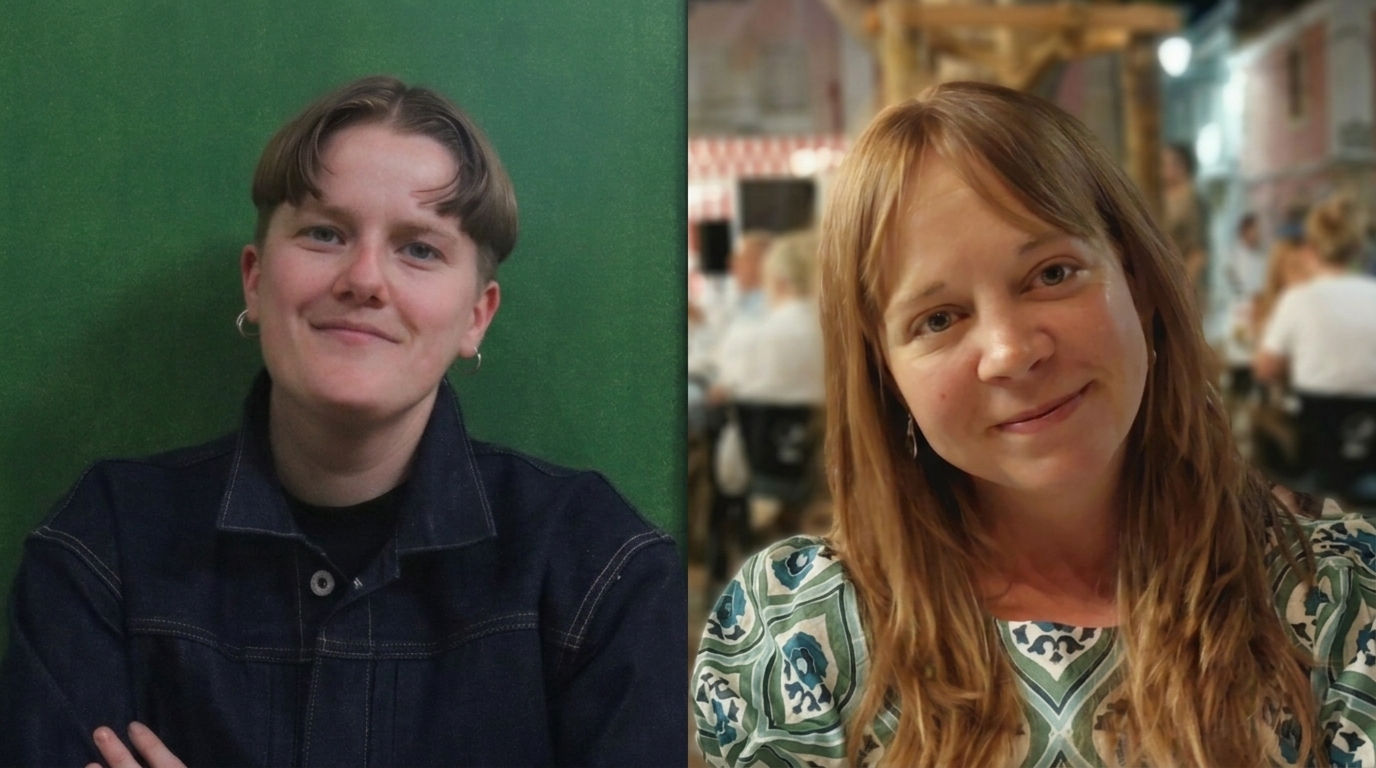
Professor Ian Fairlamb, Dr Kirsty Penkman and Professor Paul Walton from York’s Department of Chemistry have been awarded the RSC Corday-Morgan Prize, the Joseph Black Award and the Joseph Chatt Award respectively.
Professor Fairlamb is recognised for his work in understanding how organic, carbon-containing compounds co-operate with transition metals such as palladium. His research enables the development of sustainable and greener chemical reactions and syntheses, producing valuable pharmaceutical and agrochemical compounds that are of benefit to human-kind.
Dr Penkman’s ground-breaking work focuses on the field of amino acid dating and its application to archaeological and geological questions. As Senior Lecturer in Analytical Chemistry, she uses proteins in fossils to date the last 3 million years – a time period (the Quaternary) critical for our understanding of climate change and human evolution.
Professor Walton is awarded for his work examining enzymes made by bacteria and fungi which are used to break down plant materials, with the ultimate aim of understanding how a new class of enzymes called lytic polysaccharide monooxygenases can be used to aid the commercial production of liquid fuels from biomass.
Professor Fairlamb said: “I am delighted to receive this prestigious award. I’m deeply indebted to the incredible efforts and talents of both past and present research group members, in addition to academic and industrial collaborators from the UK and overseas who make a real difference.”
Dr Penkman said: “I would like to express my sincere thanks to the Royal Society of Chemistry for this honour, and for the support, patience, understanding and precious samples that the Quaternary community has provided. Collaborations with earth scientists and archaeologists have been integral to this research, helping us to push the analytical science forward, whilst advancing our understanding of our earth's history.”
Professor Walton said: “Many colleagues and co-workers have contributed to the research recognised by the award, and I am very pleased that the award is a testament to their great skill and contribution.”
Dr Robert Parker, Chief Executive of the Royal Society of Chemistry said: “It is an honour to recognise the illustrious achievements of our prize and award winners in our 175th anniversary year.
“We were founded in 1841 by a group of academics, industrialists and doctors who understood the power of the chemical sciences to change our world for the better. Our winners share that vision and are advancing excellence in their fields, whether through innovative research or inspirational teaching and outreach.
“We are proud to celebrate and support the work of inspiring and influential individuals, whose work has the potential to improve so many lives.”
Each prize consists of a monetary award, a medal and a lectureship at up to four UK universities.
Further information
- For more information about the University of York’s Department of Chemistry, visit: http://www.york.ac.uk/chemistry/
- For more information about the individual prizes, visit: http://www.rsc.org/ScienceAndTechnology/Awards/CordayMorganPrizes/, http://www.rsc.org/ScienceAndTechnology/Awards/JosephBlackAward/ and http://www.rsc.org/ScienceAndTechnology/Awards/JosephChatt/
- For further information about the RSC, visit: http://www.rsc.org/