More than 400 students debate the meaning of the universe with Tim Peake
Posted on Monday 7 November 2016
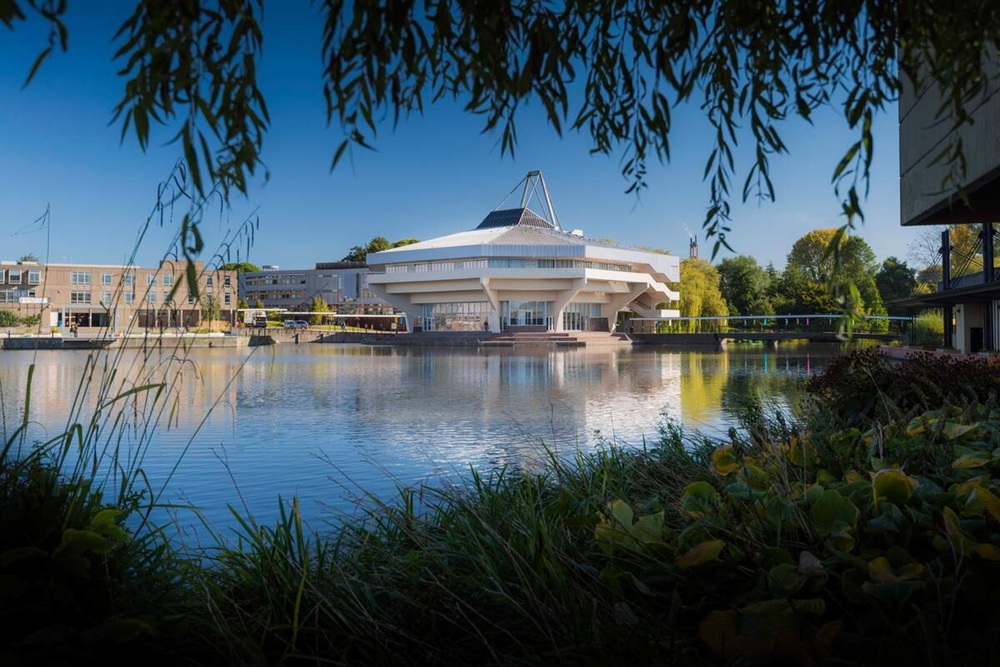
The conference, held in Central Hall on Saturday, 5 November, celebrated the work of school students throughout the UK, inspired by Tim’s Principia mission.
Students presented their work to Tim through talks and exhibitions, as well as to experts from the UK Space Agency, the European Space Agency (ESA), partner organisations, and the space sector.
The UK Space Agency invested £3 million in the biggest education and outreach initiative ever undertaken for an ESA astronaut. The curriculum-linked projects included scientific experiments, coding challenges, family shows, creative writing and more.
Tm Peake said: “Encouraging students to engage with my Principia mission was always something that I had hoped to do and I am thrilled at the range of different things young people have done to follow my mission.”
Further information
For more information about about public and school's events in the Department of Physics please visit: https://www.york.ac.uk/physics/public-and-schools/