Teaching and assessment
You’ll work with world‐leading academics who’ll challenge you to think independently and excel in all that you do. Our approach to teaching will provide you with the knowledge, opportunities, and support you need to grow and succeed in a global workplace.
Teaching format
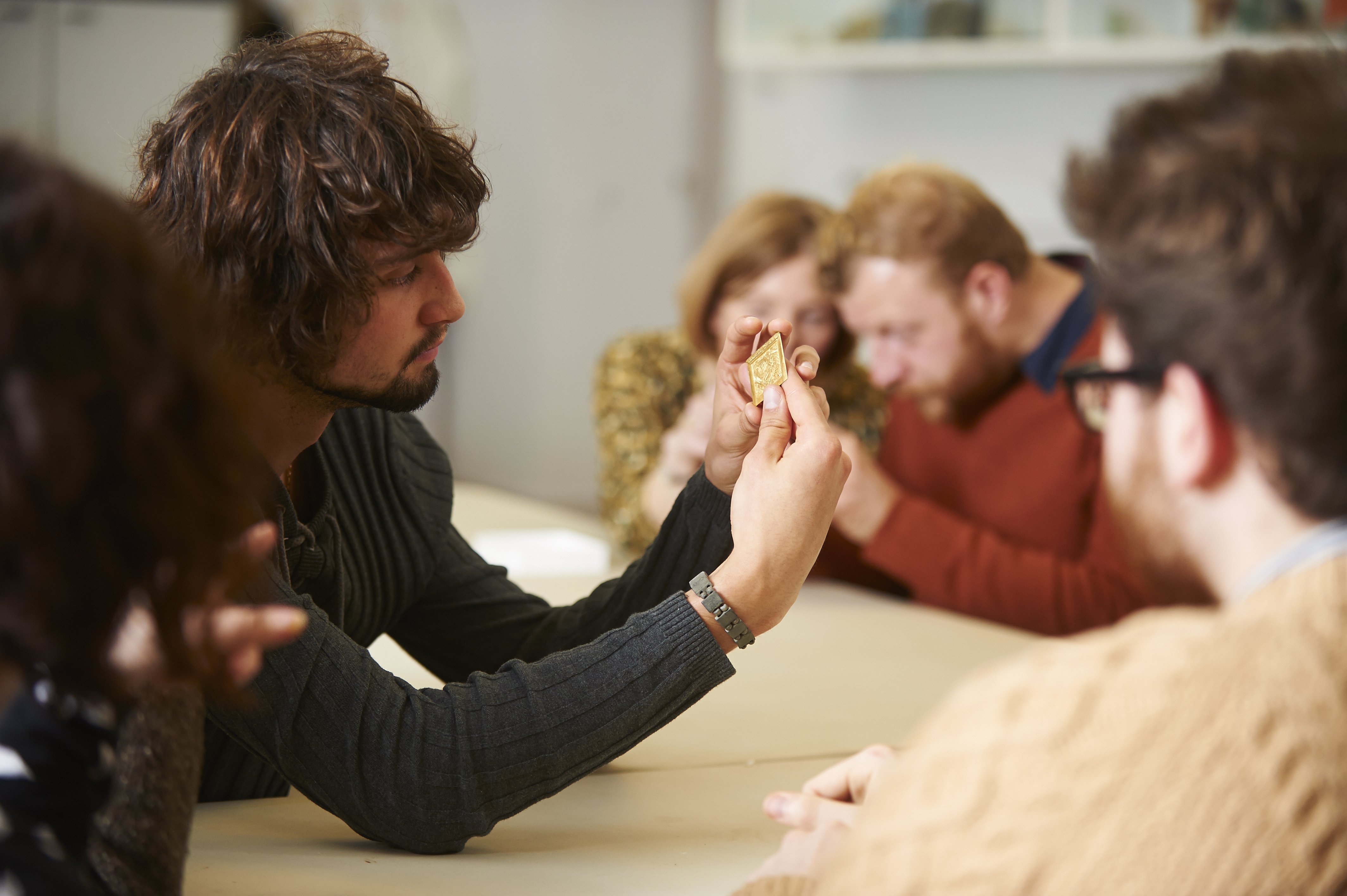
You will be taught through a combination of lectures, workshops, practicals and seminars.
Facilities
We have dedicated computer labs with a range of imaging software, including 3D Studio Max, Agisoft Metashape, Blender, Davinci Resolve, Unity, ArcGIS, and AutoCAD.
The department has equipment available for student use including total stations, handheld and differential GPS, drones, 360 camera, Leica RTC360 laser scanner, Go-Pro cameras, gradiometers, ground penetrating radar, resistance meters, video-ready DSLR cameras, microphones, an RTI dome and other photography kit.
Explore our facilities
Teaching location
Your teaching will be based on Campus West.
About our campus
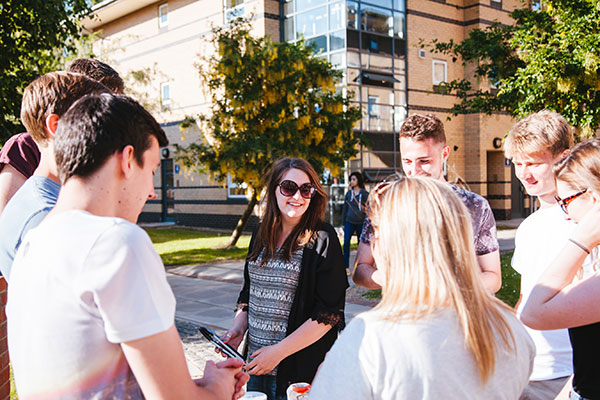
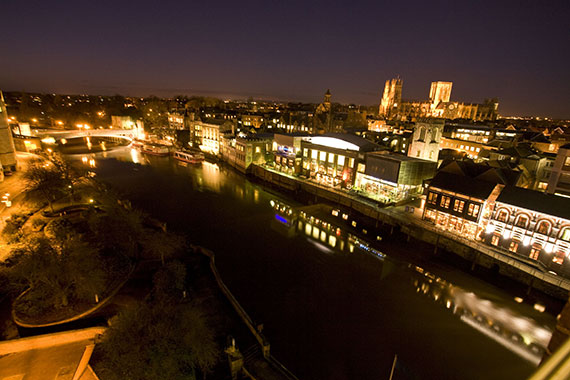
Our beautiful green campus offers a student-friendly setting in which to live and study, within easy reach of the action in the city centre. It's easy to get around campus - everything is within walking or pedalling distance, or you can always use the fast and frequent bus service.
Assessment and feedback
You will be assessed by a variety of methods. Depending on which modules you opt to take, these could include:
- Essays
- Oral presentations
- Report writing
- Dissertation
- Alternative assessment methods such as film-making, blogging or posters


.jpg)



.jpg)