
News
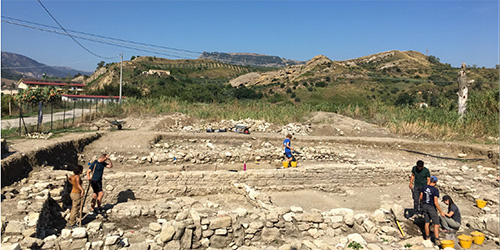
A study has revealed that despite centuries of violent regime changes, medieval Sicily was a genetic ‘melting pot’, where Christians and Muslims thrived together.
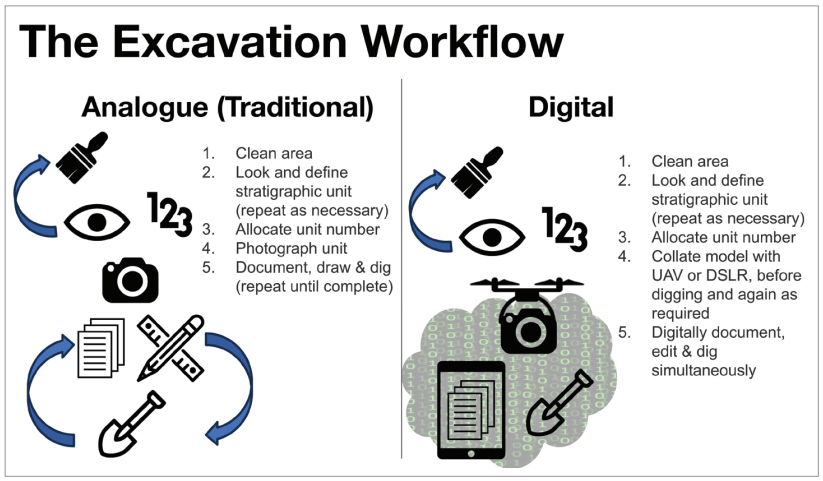
Two chapters published by York academics in a new volume about digital impacts on archaeological fieldwork.
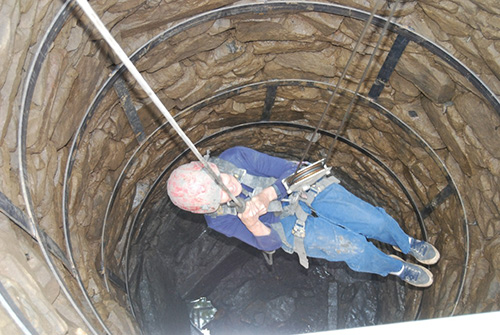
Scientists analysing 2,000-year-old grape seeds from ancient wells in Tuscany have mapped the most extensive genetic history of ancient grapevines recovered from a single site.
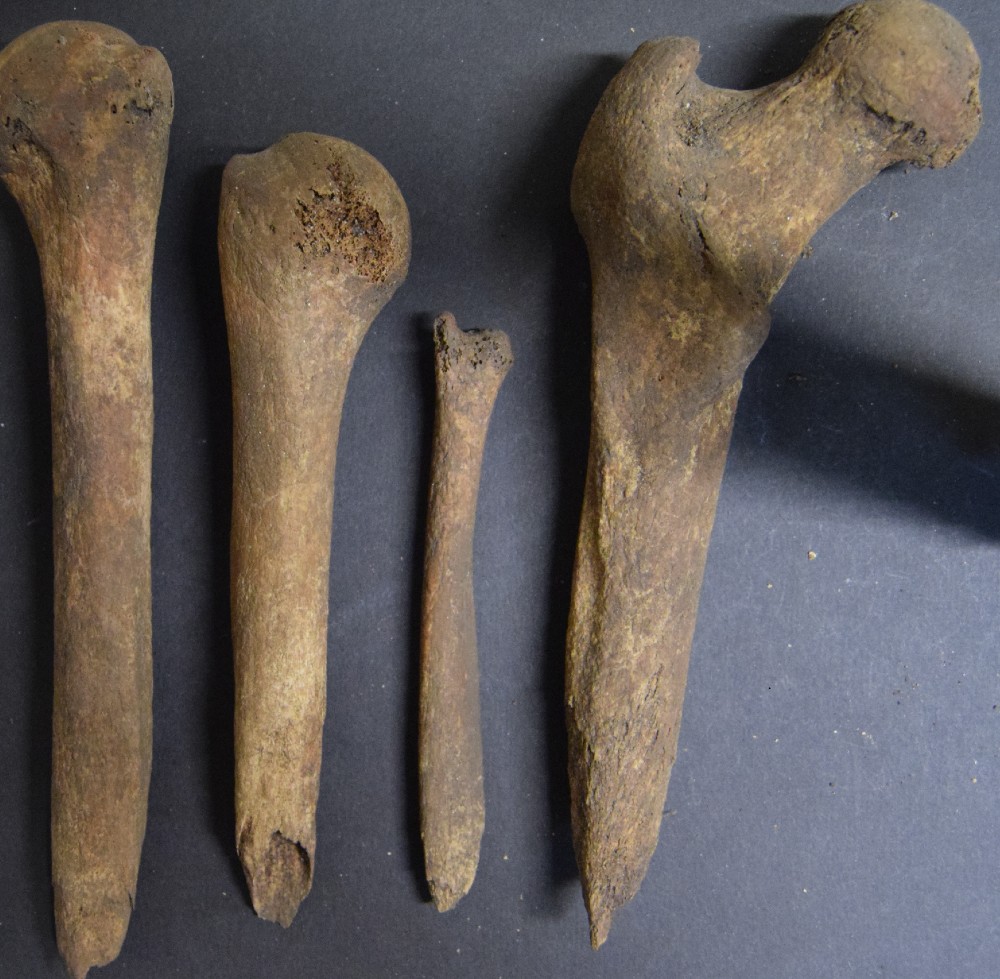
Scientists have uncovered evidence of an Iron Age funerary tradition involving the deliberate removal of human brains and the fashioning of long bones into sharp tools.

New research reveals that the 4,000-year-old city of Mohenjo-daro defied the ‘rules’ of history by becoming more equal as it became more successful.
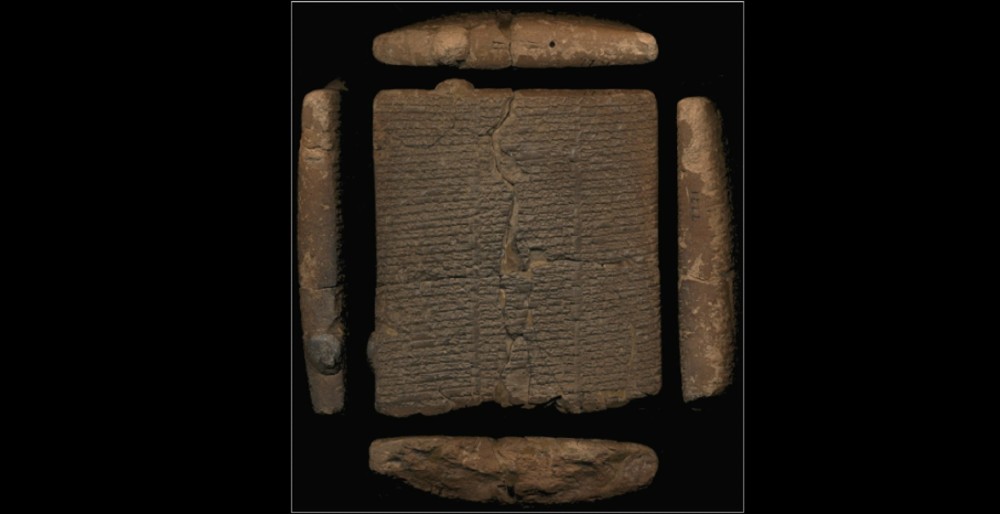
Researchers are transforming access to some of the world’s oldest written records using digital technology and multilingual tools.

The twin towns of Malton and Norton in Yorkshire are set to become regional leaders in heritage-inspired tourism following investment in a new University of York project.

Two infants buried in Roman York were laid to rest in costly purple cloth normally reserved for emperors and members of the aristocracy, new research reveals.