
YESI International Fellow to lead major West Africa Climate and Health consortium
Posted on Thursday 12 March 2026
Professor Philip Antwi-Agyei, a York Environmental Sustainability Institute (YESI) International Fellow, is set to lead the Western Africa consortium as part of a significant new initiative tackling climate-related health threats. Based at the Kwame Nkrumah University of Science and Technology (KNUST) in Ghana, where he serves as Provost of the College of Science, Professor Antwi-Agyei will oversee research aimed at generating locally grounded evidence to help policymakers respond to rapidly growing environmental challenges.
The Western Africa consortium is one of two new regional hubs established by Wellcome, which is providing an initial £40 million for consortiums in Southern and Western Africa. The Ghanaian-led project has been awarded £20 million to develop a five-year programme focusing on the impacts of heatwaves, dust storms, and drought on health and nutrition.
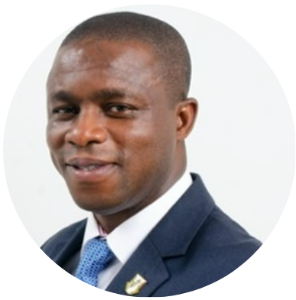 Professor Philip Antwi-Agyei, Western Africa consortium lead, said:
“Climate change is an escalating threat to global health and West Africa is among the most vulnerable regions due to high exposure to climate hazards, low adaptive capacity, and fragile health systems. Intensifying climate-related health risks are compounding existing inequities, straining public health systems, undermining food security and disrupting livelihoods, with GDP losses projected to rise significantly across the region.
The current uncoordinated context-specific policies and systems pose a huge challenge in addressing the risks associated with climate change and health – particularly in respect to heatwaves, dust storms, and droughts on food systems and other health determinants in Ghana and Senegal. The Western Africa consortium based in Ghana will establish a regional approach that brings together physical and social sciences, policy and practice to ensure that evidence is readily translated into tangible actions to benefit people’s health and livelihoods.”
The broader expected outcomes for the consortiums in Africa include:
- High-quality evidence: A significant increase in the generation of both context-specific, ethical, policy relevant and widely applicable scientific evidence, addressing Africa’s unique climate and health challenges.
- Evidence-informed action: Accelerated adoption and implementation of urgent interventions, including solutions, policies, and programmes that protect the health of African people.
- African leadership in climate and health: A strengthened network of African leaders and champions across research and policy, driving the field forward with shared, open data, metrics, methods, innovations, and expertise.
- Global influence: Greater participation and influence of African science and scientists in global decision-making and priority-setting processes.
- Collaborative networks: Enhanced connections within and across sub-regional and Pan-African networks, with a specific emphasis on the inclusion of communities most affected by climate change.
- Field development: Strengthened capacity of younger or smaller organisations and experts to engage meaningfully in transdisciplinary research.
YESI is delighted to see this success for Professor Antwi-Agyei, KNUST and the whole consortium. Professor Antwi-Agyei is a valued member of our YESI International Fellows community, and his work continues a long and productive history of collaboration with Professor Lindsay Stringer, Professor Andy Dougill and the University of York. His previous research with Dr Gideon Baffoe funded by the YESI International Fellows scheme explored Urban agriculture and climate resilience in Accra, Ghana, and we look forward to following the vital regional impacts of this new Western Africa consortium.