125 years after Seebohm Rowntree’s landmark study, new report exposes modern poverty and inequality in one of Britain’s 'most affluent cities'
Posted on Monday 5 October 2026
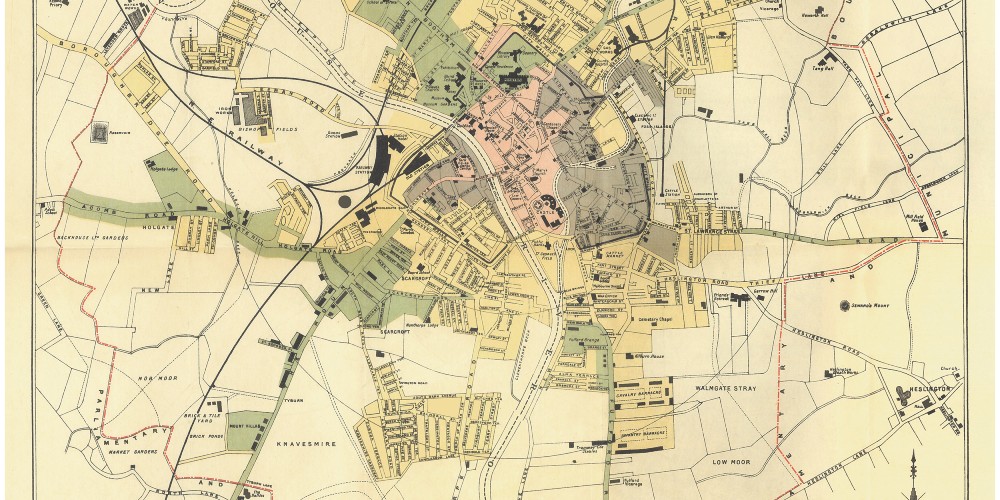
The new study marks 125 years since Seebohm Rowntree published his groundbreaking 1901 study Poverty: A Study of Town Life, which fundamentally reshaped how poverty was understood.
Policies
Now, the new report compares poverty in York today with that of Rowntree’s era, looks at policies in place to tackle it and captures the experiences of residents growing up with poverty in the city.
The authors of the report say that while York is known as one of the most affluent cities in the North, thousands of residents are struggling to make ends meet.
The report, ‘Poverty and Progress? 125 years on from Rowntree’s study of life in York’, will be launched at an event on 5 October at The Priory Centre, York.
Leadership
One City, One Strategy: Ending Poverty Together is a collaborative community event designed to bring together local community partners, policymakers, and residents to discuss and co-create a unified, city-wide strategy aimed at tackling poverty and social inequality.
A common theme across the report’s chapters is the fragmented and often siloed policy systems which the authors say are often less effective than they could be if they were more joined up, a situation typically compounded by stretched funding after years of austerity.
However, the report also identifies examples of strong leadership and innovative policy in the city as policymakers and other stakeholders look to address poverty and inequality.
Struggling
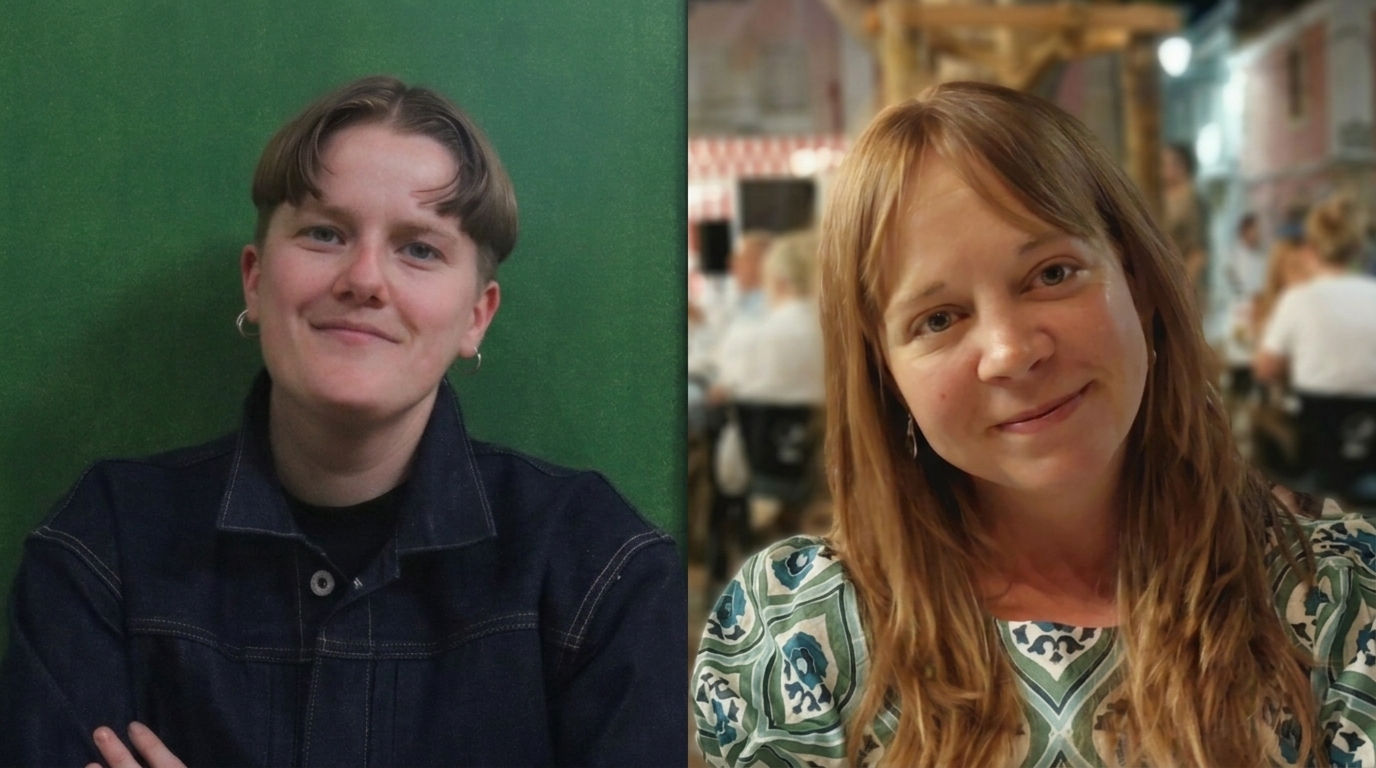
One of the report authors, Dr Kit Colliver from the University’s Cost of Living Research Group, said: “While York is widely celebrated as the most affluent city in the North, the findings demonstrate that thousands of local families are quietly struggling against soaring housing and energy costs, fragmented support services, and a tourist-centric city centre that leaves many low-income residents feeling isolated and priced out of civic life.
“The city of York has changed significantly over the 125 years since Seebohm Rowntree’s landmark study. Once ‘typical’ of Northern towns in the industrial age, York now stands apart in both financial success and its high cost of living. The tension between affluence and deprivation is a central theme within the report, with the city’s outward wealth masking deep pockets of deprivation and exacerbating the experience of inequality for those struggling to get by.”
Key statistics:
While Rowntree’s 1901 study focused on poverty, if he were undertaking the study today, the report’s authors say he would likely be equally concerned with the impact of inequality across the city:
- The Centre for Cities recently described York as the United Kingdom’s ‘most affluent city’ because more of its neighbourhoods fall into the UK’s 20% least deprived neighbourhoods than in any other major city in the country
- At the same time, there is significant poverty amidst York’s affluence. 18.2% of children within the City of York local authority area lived in relative poverty after housing costs in 2025 and low-income households in York were more likely to fall below the poverty line than equivalent households in London during 2024/25.
- The cost of living in York is relatively high, but its average wage is not. York’s average house prices are comparatively high (17/63 major cities), housing affordability is low (16th least affordable of 63 major cities) and it has the least affordable housing of any
Key recommendations from the study cluster around three central themes:
- The importance of investment in local infrastructure and services
- Opportunities to remove barriers to and improve targeting of existing support
- The necessity of cross-sector and multi-tier collaboration to make the most of local and regional resources and advance shared agendas.
The authors stress that meaningful progress requires collaboration, with the challenges requiring strategic effort from actors across the system, from macro-level national policy change to micro-level investments and reforms in local services.
Further information
- About Seebohm Rowntree’s Study: Published in 1901, Poverty: A Study of Town Life was a forensic examination of living conditions in York at the turn of the 20th century. It broke new ground in the scientific measurement of poverty and laid the groundwork for the modern British welfare state.
- About the Cost of Living Research Group: The Cost of Living research group is an interdisciplinary team located in the University of York's Social Policy Research Unit that is dedicated to producing robust evidence on economic hardship, living standards, and policy solutions.
- Poverty and Progress? 125 years on from Rowntree’s study of life in York (2026) is available here