UK polling clerks struggle to spot fake IDs, study reveals
Posted on Wednesday 4 February 2026
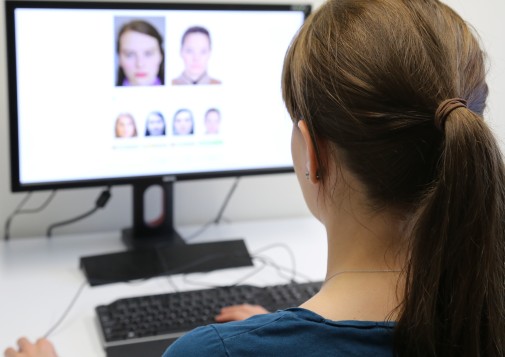
Polling clerks operating during the UK’s first mandatory voter ID election made mistakes in 36% of cases when tested with real ID documents, according to the research. Even on a simpler test comparing high-quality photos taken seconds apart, the clerks made errors 16% of the time.
The findings of the study, published in the journal Royal Society Open Science, challenge the assumption that human checks are a reliable barrier against voter fraud.
The 2024 general election marked the first time UK voters were required to present photo identification to cast their ballot. Opposition to the policy largely focused on whether it would reduce voter turnout but little attention was paid to whether the checks would actually work.
High error rate
Researchers tested the clerks who managed the 2024 election using standard face matching tests. The results showed that when faced with the Kent Face Matching Test – which uses real ID photos – clerks accepted incorrect matches or rejected correct ones at a high rate.
Professor Mike Burton, from the University of York’s Department of Psychology and who led the research, said the results were consistent with decades of science.
“I’ve worked on face recognition for years and we know that most people find it hard to match unfamiliar faces,” Professor Burton said. “I expected the results we got because we have had the same results in the past with passport officers, police officers and others. All show high error rates in ability to check ID.”
Human limitation
The study compared the clerks’ performance to a group of university students who played no part in the election. Despite the demographic differences the students made a very similar number of errors. The research also highlighted a significant decline in accuracy among older clerks.
Professor Burton explained that the public is generally unaware of this human limitation because we are so proficient at recognising family and friends.
"Even though most people are quite poor at matching unfamiliar faces, most people don’t realise this," he said. "It’s probably because we are so good at recognising the people we know so we think we are good at all faces."
Fundamentally unreliable
The findings have significant implications for security policy. While some clerks performed exceptionally well, achieving 100% accuracy, others performed at or near chance levels. The study suggests that current training methods are unlikely to solve the problem as previous research indicates face-matching training has little to no effect.
“Our study suggests that despite polling clerks acting in a highly motivated and professional manner, unfamiliar face matching remains a fundamentally unreliable way to establish identity at the ballot box.”