Deaf adults' brains re-wire to boost 'danger radar', study finds
Posted on Monday 14 September 2026
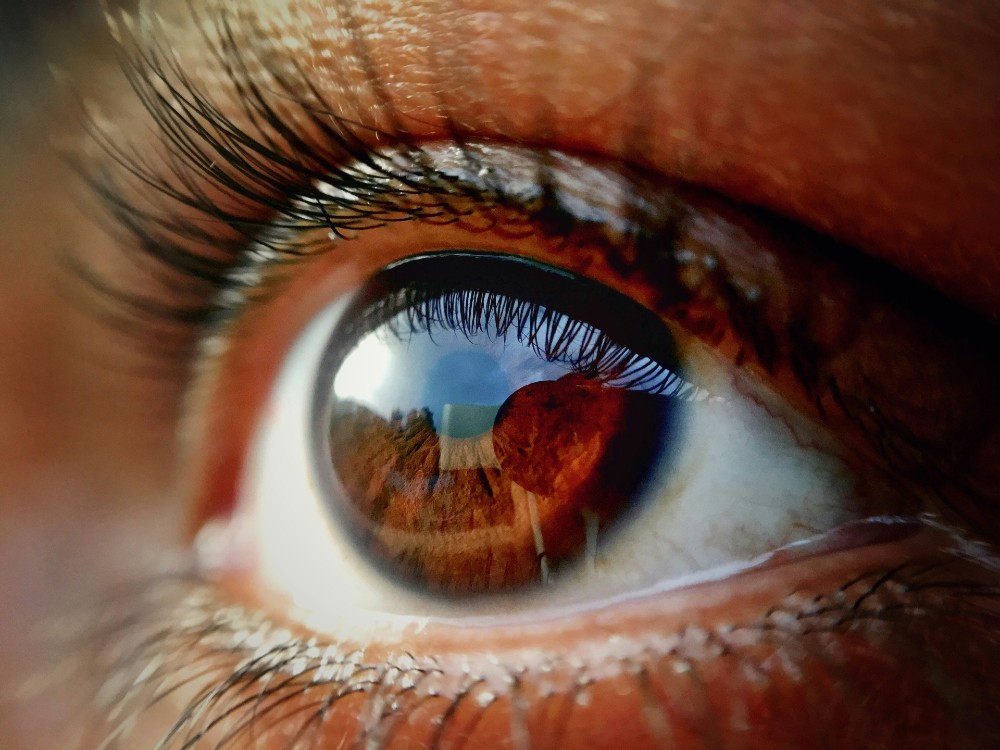
The findings explain why deaf people are often particularly skilled at spotting motion and events outside their direct line of vision, giving them a distinct advantage when monitoring their surroundings for potential danger.
The study, conducted by researchers at the Universities of York and Sheffield, used functional MRI scans, comparing 16 adults with early, profound deafness to 16 hearing adults of similar ages to map how the brain processes different parts of the visual field.
Researchers discovered that deaf participants had a significantly larger neural representation of far-peripheral vision in the primary visual cortex - the brain region responsible for processing visual input - and the lateral geniculate nucleus (LGN) - a visual relay center located deep within the brain.
Trade-off
Dr Heidi Baseler, from the University of York’s Department of Psychology and the Hull York Medical School (HYMS), said: “The brain does a really clever thing, in that it doesn’t expand overall visual capacity, but does a type of trade-off that redistributes its existing resources. This means that the brain dedicates relatively more power to peripheral vision and slightly less to the central visual field.
“In people who are deaf, this is really important, because they have a better chance of catching the unexpected events that might happen just out of the central line of sight, that those of able hearing would be aware of more acutely through the sound that they might make, such as a car or person arriving to the side of them.
“These events can often place a person in danger of collision or falling if they are not spotted in time, so it shows just how adaptable the brain is to enhancing the senses when it is most required.”
Brain mapping
It wasn’t previously known that the brain could adapt to its environment to such a great extent, and visual sensitivity differences between deaf and hearing adults have been previously overlooked by other brain-mapping studies.
The researchers argue that the findings could pave the way to a greater understanding of how the brain changes to make the best of its sensory loss.
Professor Charlotte Codina, Professional Lead for Orthoptics and Ophthalmology at the University of Sheffield, said: "This study suggests that the brain can profoundly adapt to make the most of its sensory environment and as a result deaf people have superior peripheral vision.”
The study is published in the Proceedings of the National Academy of Sciences (PNAS).