New study pinpoints how to minimise chances of dangerous wildlife encounters in Canada’s national parks
Posted on Friday 3 July 2026
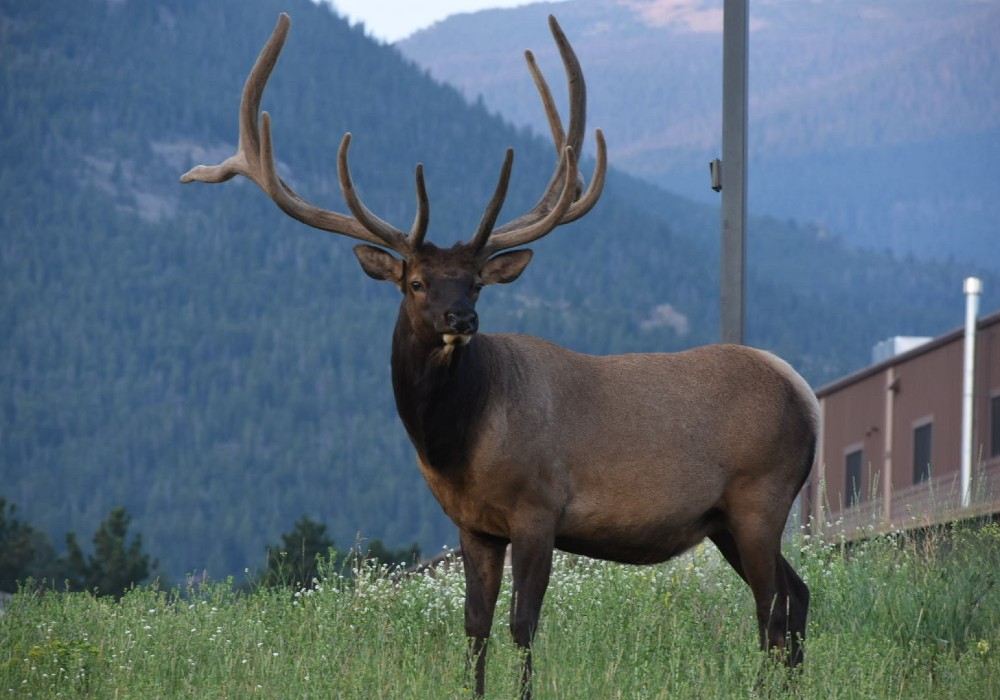
When packing for a trip to a national park, most visitors worry about apex predators like grizzly bears. However, a new study by researchers at the University of York shows that a much more common creature poses the highest risk: the elk.
Published in Frontiers in Conservation Science, the study analysed nearly 3,000 human-wildlife conflicts recorded by Parks Canada between 2010 and 2023. The data reveals that elk were involved in 62% of all aggressive encounters. Grizzly bears accounted for 14%, followed by black bears at 13%, mule deer at 7%, and coyotes at 3%.
The research highlights that conflicts rarely involve extreme thrill-seekers. Instead, 25% of incidents occurred during low-impact activities like hiking and wildlife observation, while 22% took place around townsites.
Dr Shashank Balakrishna, a biologist at the University of York and senior author of the study, said: "Each species occupies a different ecological role, so they perceive human threat differently. Elk sometimes avoid humans, but at other times use human presence as refuge from predators. This unpredictability may explain why they top the list for aggressive encounters."
By analysing specific animal-activity combinations, the team identified exact scenarios where conflict risks spike:
- Elk at townsites: Elk were involved in over 73% of townsite incidents and 57% of encounters during adventure sports.
- Dog walking: Mule deer and coyotes showed higher rates of aggression around domestic pets, likely because dogs resemble natural predators.
- Quiet trails: Grizzly and black bears were most frequently encountered during quiet hikes in forested areas (45% and 43% respectively), where surprise encounters can trigger defensive reactions.
"Now we can point to precise high‑risk pairings, such as elk visiting townsite areas or mule deer encountered during dog walking," said Dr Balakrishna. "This allows park managers to focus resources, signage, and education where they are most needed."
The researchers say the goal is not to stop people from enjoying nature, but to empower them with the tools to do so safely.
Co-author Holly Landles, added: "Announcing yourself is a good idea, especially for grizzly bears. Taking whistles, talking, or hiking in larger groups can help, too. Keeping dog leads short when large herds are present is simple but effective."
Visitors are also urged to check daily park updates for active sightings and respect trail closures.
While the study relies on reported data and does not show direct cause-and-effect, it offers a crucial framework for international wildlife management and safer human-animal coexistence.
"Ultimately, both people and wildlife lose during aggressive encounters," says Landles. "Our findings help us understand real patterns behind these encounters so we can reduce their frequency and help people and wildlife coexist more safely."