Culture Secretary sees future of live performance at CoSTAR Live Lab
Posted on Monday 7 July 2025
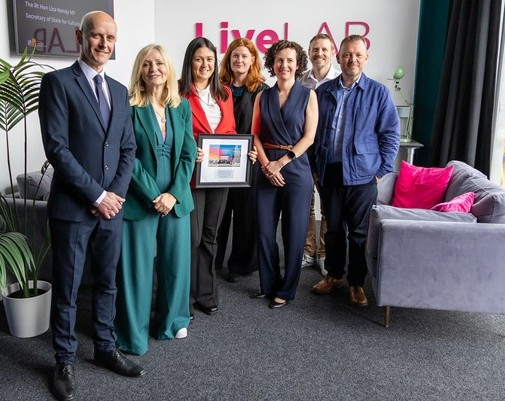
Lisa Nandy’s visit to CoSTAR Live Lab at Production Park near Wakefield showcased a thriving ecosystem integrating industry, education and innovation.
Production Park is where global stars like Beyonce and The Rolling Stones come to rehearse their tours and hit dramas such as Netflix’s Adolescence are filmed.
Live Lab is part of a £75.6m national network of laboratories funded by the UK Research and Innovation (UKRI) Arts and Humanities Research Council that are developing new ideas and technologies to ensure the UK stays at the cutting edge of the creative industries.
Future leaders
During her visit to Live Lab, Lisa Nandy and her team saw the Lab’s high-tech facilities which are being used to create immersive, multi-sensory and interactive technologies, incubate startups, train future leaders in the industry and empower diverse voices and new talent across the creative sector.
The Co-directors of Live Lab, Professor Helena Daffern and Professor Gavin Kearney from the University of York gave the Secretary of State and the mayor of West Yorkshire, Tracy Brabin, an overview of the Lab’s facilities during a 20 minute tour.
The visit follows an announcement that the government is injecting £380 million into the UK creative sector, including £75 million for film, £30 million for games, and £30 million for music industries. This investment forms part of a broader Creative Industries Sector Plan, aimed at doubling private sector investment – from £17 billion to £31 billion – by 2035.
Economic impact
Professor Kearney said: “We were thrilled to welcome Lisa Nandy and her team to Live Lab. It was a fantastic opportunity to showcase how the Lab is responding to the needs of industry, redefining the future of live performance through cutting-edge technology, research, and training.
“The government’s recent funding boost for the creative industries demonstrates a commitment to ensuring the UK remains a global leader in creativity and innovation. It recognises the vital role our sector plays in people’s lives and in driving economic growth across the country.”
Professor Daffern added: “Through our work, we are ensuring that the creative industries deliver societal and economic impact both regionally and nationally, creating jobs and opportunities across Yorkshire and the wider UK.”
Global impact
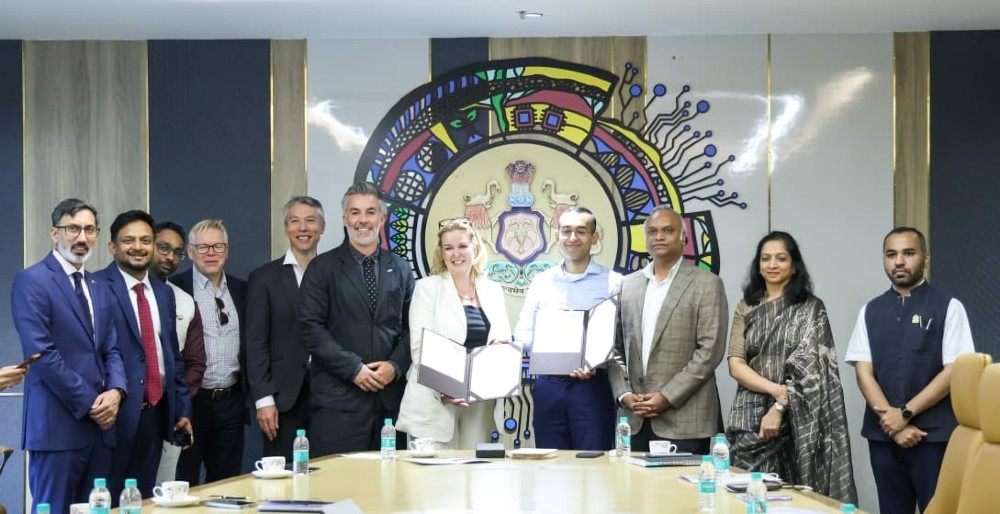
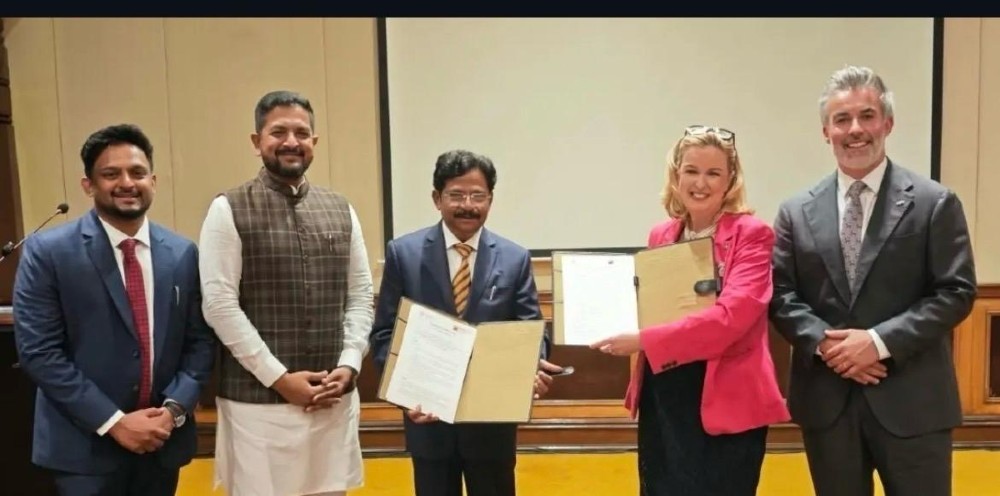
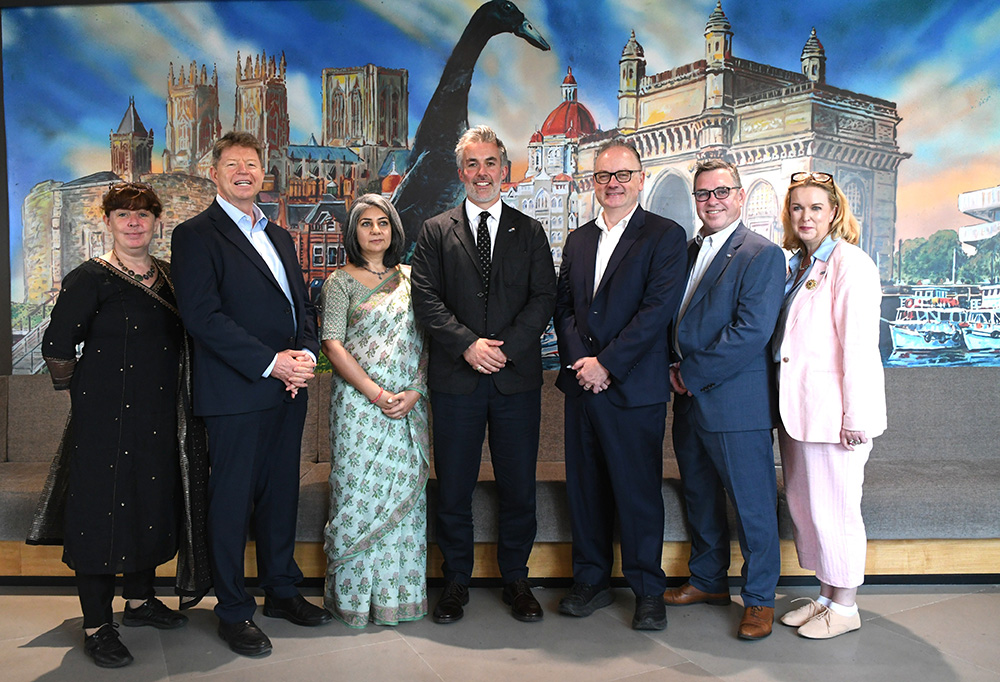
Professor Kearney has also recently visited Mumbai, where a new Memorandum of Understanding with the newly created Indian Institute for Creative Technologies (IICT), was signed to enhance academic and professional learning in the creative industries in both countries.
The UK and India have recently deepened their cultural ties through a new bilateral Cultural Cooperation Agreement, aiming to boost collaboration between British and Indian creative businesses and cultural institutions. This agreement opens avenues for increased UK creative exports to India and fosters partnerships in areas like film, music, and digital technologies.
Led by the University of York, CoSTAR Live Lab brings together Production Park, Screen Yorkshire, Wakefield Council, and the York and North Yorkshire Combined Authority, with national and global partners including Vodafone, Sony Interactive Entertainment and TAIT.