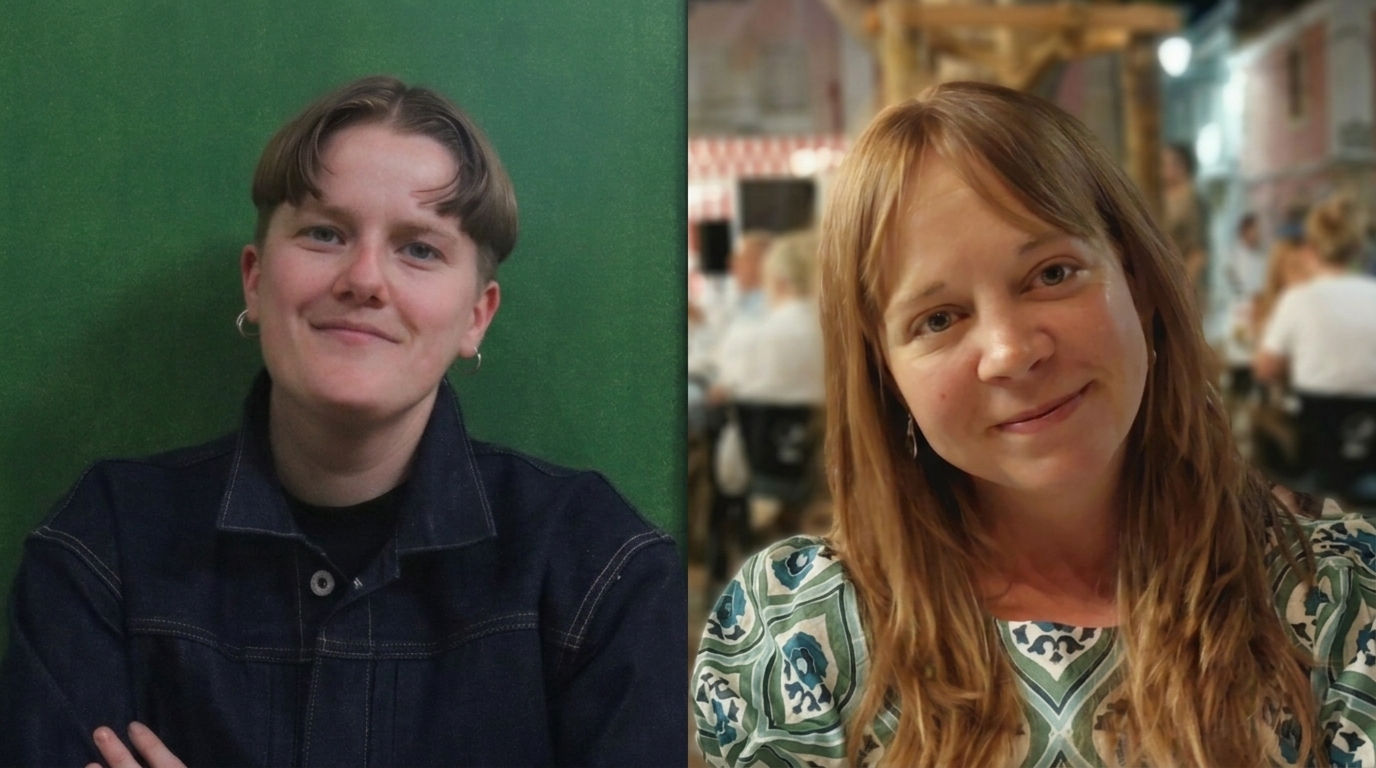
Dr Inês Martins awarded Royal Society University Research Fellowship
Posted on Wednesday 2 October 2024
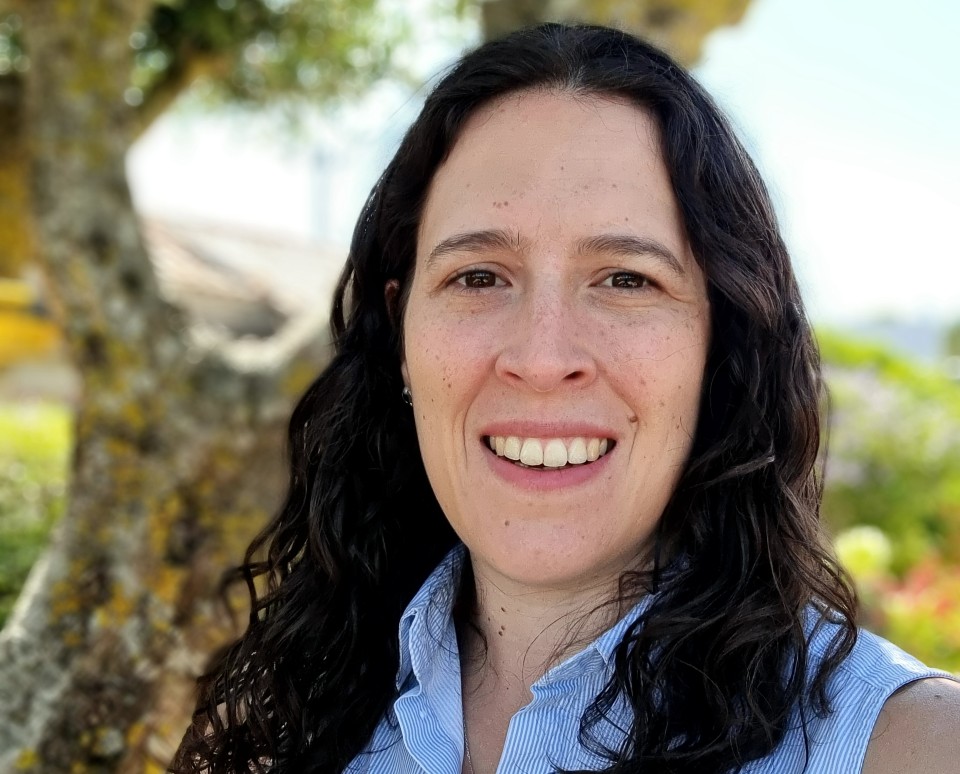
Dr Martins, who is also part of the University’s Leverhulme Centre for Anthropocene Biodiversity (LCAB), conducts world-leading research exploring how biodiversity is changing across the globe. She uses scientific theories and data from nature to measure biodiversity over different areas and periods and looks at the factors driving change and what they mean for the planet.
The Royal Society is the oldest scientific academy in continuous existence, with a history stretching back to the 1660s. Each year, the Royal Society University Research Fellowship scheme supports exceptional early career researchers who have the potential to become leaders in their fields. It provides researchers with the opportunity to build an independent research career and their own group, in order to follow ambitious, cutting-edge research projects.
Freedom
Dr Martins said: “I'm really excited and deeply humbled to have been awarded this prestigious fellowship, I am also very grateful for the support and advice given to me during the process. This fellowship will allow me the freedom and flexibility to boost and lead my own research programme which strives to understand contemporary biodiversity change."
Dr Martins' research will continue to explore the complexity of biodiversity change by bringing together different perspectives, data sources and quantitative analyses to not only identify contemporary biodiversity change across time and space, but to seek the underlying explanations for the different patterns observed and their expected consequences for nature and people.
Her research aims to support more effective conservation actions to halt current biodiversity loss and future assessments of how biodiversity may change with different trajectories of human development and policy choices.
Important implications
Professor Lindsey Gillson, Director of the Leverhulme Centre for Anthropocene Biodiversity at the University of York, said: “The research Inês carries out on the causes and consequences of biodiversity gains and losses has important and far-reaching implications and the potential to inform and influence how society responds.
"I am delighted to see her recognised by the award and wish her well in building her research career over the coming years. She is a wonderful role model for young scientists at LCAB and beyond".