Researchers assess the value of National Parks to our health and happiness
Posted on Saturday 3 November 2018
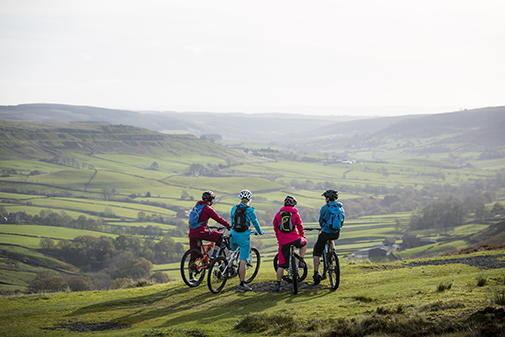
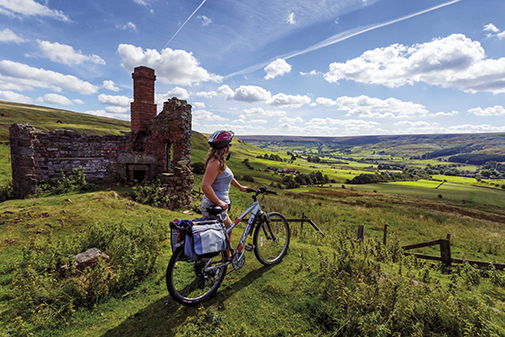
National Parks play an important role in connecting people with nature, raising activity levels, facilitating outdoor recreation and providing space for tranquillity. Credit: Russell Burton.
The study, by researchers at the University of York, estimates that for every £1 invested, the North York Moors National Park generates approximately £7.21 of health and well-being benefits for visitors and volunteers.
The study adds to a growing body of evidence about the benefits of connecting with nature and is the first to calculate the social return on investment in terms of the impact upon health and well-being of people using National Parks.
Impact
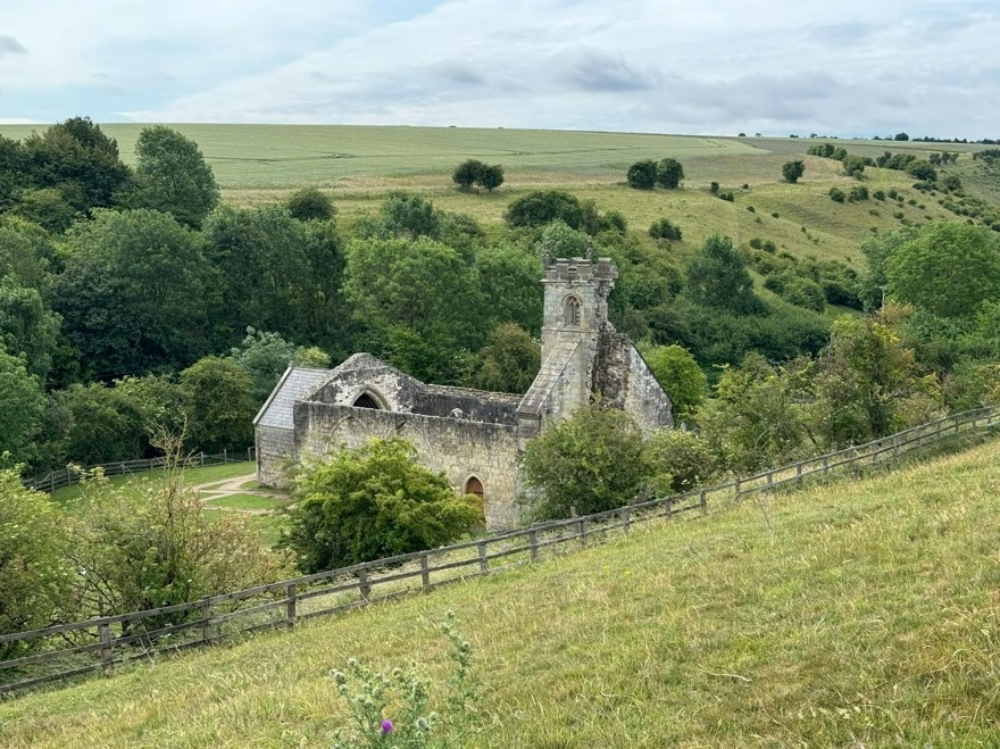
The North York Moors National Park is one of 13 National Parks in England and Wales, each of which receives a grant from Defra. The Park is made up of 554 square miles of moorland, ancient woodland, historic sites and coastline. It attracts an estimated 7.9 million visitors a year.
The research marks an important first step in understanding how National Parks can measure their impact on society.
Co-authors of the study, Professor Philip Linsley and Professor Robert McMurray from the Management School at the University of York, said: “Our report highlights the value National Parks provide through their role in connecting people with nature, raising activity levels, facilitating outdoor recreation and providing space for tranquillity, among other things.
Communities
“However, while this figure is important, it can never truly convey what a National Park means to individuals, communities and indeed the nation. It is therefore important that the results of our study are considered carefully alongside stories of what it means to be a visitor or volunteer in a National Park.”
The researchers calculated the social return on investment in the North York Moors National Park by assigning monetary values to the impacts upon health and well-being for visitors and volunteers who engaged in activities funded through the National Park grant from Defra.
Underestimate
Other groups who may also experience health and well-being benefits, such as school children; and activities funded through other grant schemes fell outside the scope of the report. This means the value of £7.21 is likely to be an underestimate of the social return on investment.
Richard Gunton, Director of Park Services, said: “The report confirms that the activities we deliver not only have an overwhelmingly positive impact on the health and well-being of visitors and volunteers, but also a real value to the economy as well. The results will help us advance our ongoing work and our commitment to improving the health and well-being of as many different groups as possible.”