UK breast cancer deaths set to rise, analysis finds
Posted on Friday 28 September 2018
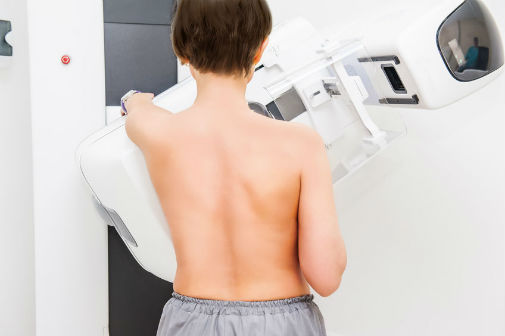
Early diagnosis is vital. Pic credit 123RF
Nearly 11,500 patients a year currently die from breast cancer that has become incurable by spreading to other parts of the body, compared to 15,625 in 1989.
By 2022, however, the number is projected to have started rising again.
Survival rates
Breast Cancer Now are calling on the government to act, describing it as a “once-in-a-generation opportunity” to stop thousands of deaths.
Breast cancer is the UK’s most common cancer, with around 55,000 women and 350 men being diagnosed with the disease each year.
Survival rates are improving but the UK’s ageing population and a rise in obesity levels, among other factors, mean that more women are being diagnosed with the disease.
Almost all deaths from the disease are attributable to the development of secondary breast cancer – where the tumour cells spread to other parts of the body – which remains incurable.
The figures show that if the breast cancer mortality rates of all Clinical Commissioning Groups (CCGs) across England were brought in line with the best-performing regions (top 25%), over 1,100 additional deaths from the disease could potentially be prevented each year.
Early diagnosis
The charity is calling for a dedicated fund for Cancer Alliances – to enable them to develop tailored interventions to improve the early diagnosis, treatment and care of breast cancer in their local CCGs.
The study was a collaboration between the charity and York Health Economics Consortium, a subsidiary of the University of York.
Alison Peel, Research Consultant at YHEC, who carried out the analysis said: “YHEC teamed up with the charity Breast Cancer Now to research the impact of breast cancer in the UK.
“This included analysing historical and projected trends in breast cancer incidence and mortality from the 1970s up until 2035, using previously published data.
“Our analysis also looked at the geographical variation in breast cancer outcomes across England, using CCG-level mortality data to determine the numbers of deaths that could be averted if all CCGs achieved the mortality rates of the top 25%.”
Research challenge
Baroness Delyth Morgan, Chief Executive at Breast Cancer Now, said: “Preventing the spread of breast cancer, and finding ways to treat it effectively when it does, remains our greatest research challenge to improving survival – but we need the government to take every available opportunity to save lives.
“Our aim is that by 2050, everyone who develops breast cancer will live – but if we are to achieve this, we all need to act now.”