Researchers bring Old Norse language back to JORVIK Viking Centre
Posted on Thursday 6 April 2017
The characters, which are voiced by Masters and PhD students at the University’s Centre for Medieval Studies and Department of English and Related Literature, form part of the revamped JORVIK Viking Centre, which opens its doors for the first time in 16 months following substantial damage to the attraction as a result of the 2015 floods.
The animatronic characters within JORVIK help tell the stories of what life was like in the year AD960 and are based on over 30 years of archaeological research by York Archaeological Trust, who discovered the remains of the Viking city during the Coppergate excavations of 1976-81.
Expert in the language, literature and history of the Viking Age, Dr Matthew Townend, translated the Jorvik script into Old Norse and Anglo Saxon, working alongside a team of students who were able to speak Old Norse and Anglo-Saxon for the voices of the animatronic characters.
Dr Townend said: “Old Norse is the ancestor of all the modern Scandinavian languages, and also exerted a profound influence on the English language, especially in the north of England.
“The University of York is one of a small number of institutions in the UK where Old Norse language and literature are studied intensively, and it’s been really exciting for the students and myself to be able to contribute our expertise to the re-fit of the world-famous JORVIK Viking Centre. We hope very much that our linguistic soundscape will help to take visitors back in time to a fascinating and important period.”
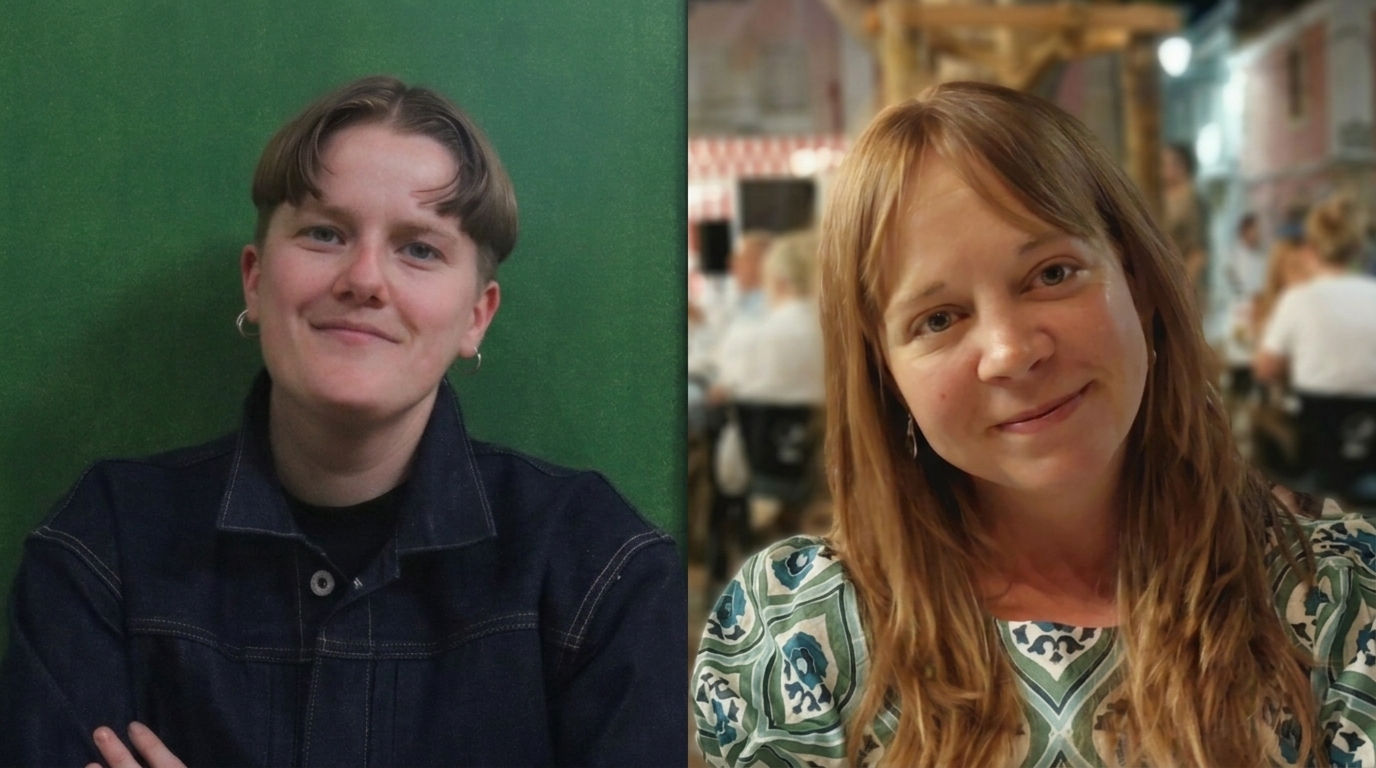
PhD student in the Department of English and Related Literature, Nik Gunn, provided language training for staff at the Centre, allowing them access to the basic principles of the Old Norse language to engage visitors with the way in which the Vikings communicated and the meaning of common phrases.
Rich heritage
Nik Gunn said: “Recreating material culture is something that archaeologists and heritage professionals have been doing well for decades, so bringing ‘everyday’ Old Norse, and Old English, back to life was a really interesting challenge.
“Linguistic diversity is such a crucial element of the story of Viking Age England, and hearing the languages that would have been spoken in 10th century York will help to raise awareness of this rich heritage.”
Sarah Maltby, Director of Attractions for JORVIK Viking Centre, said: “University research helps organisations, like York Archaeological Trust, to deliver engaging and authentic interpretations of history to the public.
“JORVIK is well known for its sights and smells, however with this new incarnation we are able to additionally expand on the soundscape and in particular the languages spoken.
“In AD960, Jorvik was an ethnically-diverse city with a population of 15,000; so as well as old Norse, visitors will hear animatronics speak Old English, Ancient Arabic, Old Irish and Middle Welsh.”
Further information
The JORVIK Viking Centre is open the public daily from the 8th April 2017.